
Fashion is defined by change, yet some elements never truly disappear. They may fade from prominence, re-emerge in new contexts or shift in how they are styled, but their relevance remains intact. Jewellery is one of the clearest examples of this phenomenon.
While clothing trends move rapidly, jewellery operates on a different rhythm. Certain shapes, finishes and silhouettes continue to circulate through fashion culture, adapting to the moment without losing their identity. Their staying power reveals something deeper about how style works.
Jewellery as a Cultural Constant
Jewellery has always been more than decoration. It reflects status, creativity, rebellion and self-expression across cultures and eras.
In fashion, jewellery often acts as a visual anchor. It connects changing aesthetics to something familiar. When silhouettes evolve or palettes shift, jewellery provides continuity.
This is why certain styles never fully leave the conversation. They offer balance in an industry driven by reinvention.
The Power of Recognisable Shapes
Some shapes are instantly recognisable. They feel intuitive to the eye and easy to integrate into different looks.
Elongated forms, soft curves and balanced proportions have appeared repeatedly throughout fashion history. Their appeal lies in their adaptability. They work with minimal styling as well as bold expression.
These shapes are neither trend-specific nor era-locked. They feel relevant regardless of context.
How Fashion Reinterprets Familiar Forms
Fashion rarely discards ideas completely. Instead, it reframes them.
A shape that once felt traditional can be styled to feel modern through proportion, material or contrast. Jewellery styles reappear layered differently, paired unexpectedly or worn with nontraditional looks.
This reinterpretation keeps familiar forms culturally alive without stagnation.
Gold as a Style Foundation
Gold has long been associated with warmth, confidence and visual presence. In fashion contexts, it acts as a grounding element.
Unlike trend-driven finishes, gold integrates easily across seasons. It complements colour, texture and skin tone without dominating an outfit.
Because of this versatility, gold jewellery often becomes a foundational style choice rather than a seasonal one.
When Jewellery Moves Beyond Occasion
One of the most notable shifts in recent fashion culture is how jewellery is worn. Pieces that once felt reserved for formal moments are now styled as part of everyday looks.
This shift has blurred the lines between statement and staple. Jewellery no longer signals occasion. It signals identity.
As fashion embraces personal expression over rules, jewellery adapts accordingly.
The Influence of Personal Style Over Trends
Trends gain visibility, but personal style sustains relevance. Jewellery styles that endure often do so because they are easily absorbed into individual expression.
Rather than dictating how they should be worn, these pieces allow flexibility. They can be subtle or bold depending on context.
This openness keeps them in circulation even as trends evolve.
Fashion’s Relationship With Symbolic Pieces
Fashion often borrows from symbolism, but it rarely treats it rigidly. Symbolic pieces are reimagined through styling rather than tradition.
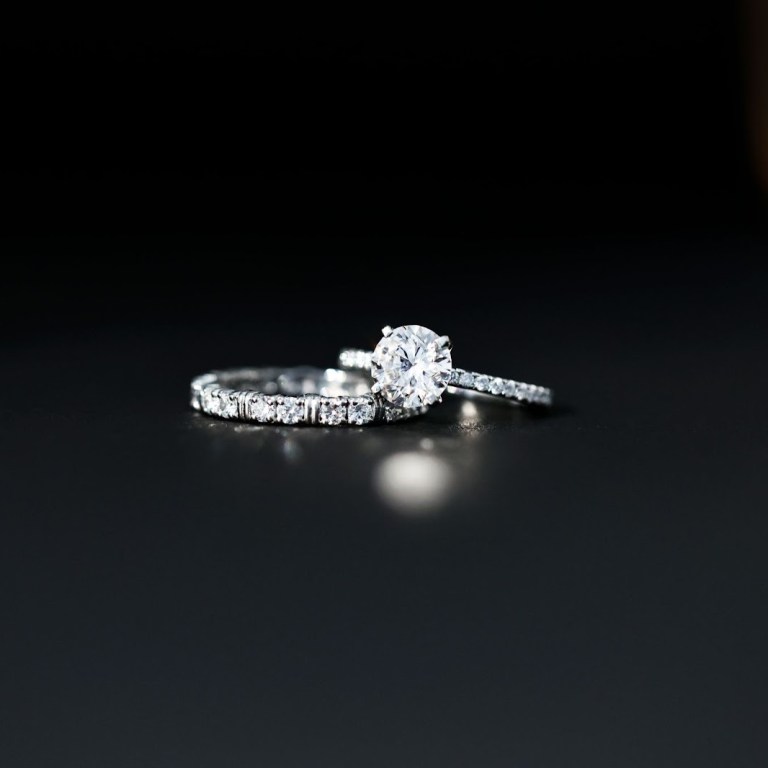
For example, oval engagement rings gold are increasingly referenced within fashion discourse for their proportions and visual softness rather than their traditional associations. This collection provides visual context for how oval shapes and gold tones translate into modern styling without relying on convention.
When symbolism becomes aesthetic, it gains new relevance.
Jewellery as Part of a Style Narrative
Fashion tells stories through styling choices. Jewellery often plays a supporting role in that narrative.
Rather than acting as a focal point, it reinforces mood, tone and intention. A well chosen piece can change how an entire look is perceived.
This narrative role is why certain styles remain visible across editorials, street style and cultural commentary.
The Role of Balance in Enduring Style
Enduring jewellery styles tend to strike a balance between presence and restraint. They are noticeable without overwhelming.
This balance allows them to coexist with evolving fashion without conflict. They enhance rather than compete.
Balance is one of the most undervalued qualities in fashion longevity.
Why Some Styles Resist Trend Fatigue
Trend fatigue occurs when repetition lacks evolution. Jewellery styles that endure avoid this by offering flexibility.
They can be styled differently depending on the moment. They respond to fashion rather than resisting it.
This responsiveness keeps them relevant without requiring reinvention.
Fashion as a Cycle, Not a Straight Line
Fashion does not move forward in a straight line. It circles, references and revisits.
Jewellery styles that remain in conversation do so because they feel familiar without feeling outdated. They invite reinterpretation rather than nostalgia.
This cyclical nature ensures their continued presence.
When Style Transcends the Moment
Ultimately, jewellery styles that never leave the fashion conversation do so because they transcend momentary trends. They offer form, warmth and adaptability.
They feel current without trying to be.
In a fashion landscape that thrives on reinvention, these pieces provide grounding. They remind us that style is not just about what is new, but about what continues to work.
And that is why certain jewellery styles remain part of the conversation, season after season, look after look.