Top-Rated Elevator Shoes for Men: What to Know Before You Shop

GuidoMaggi Elevator Shoes 15

Finding the best elevator shoes on the market means looking past marketing claims about extra inches and focusing on what actually makes a pair worth wearing: comfort, craftsmanship, natural appearance, and how well the shoe holds up over months of regular use. With so many brands now competing in this space, it helps to know what separates a genuinely well-made pair from one that will leave your feet aching by lunchtime.

This guide covers what to look for when shopping for elevator shoes, the categories worth considering, and the features that consistently show up in the best-reviewed pairs.

What Makes an Elevator Shoe “The Best”

Not every elevator shoe on the market is built with the same care. The best pairs share a handful of common traits, and understanding them makes comparison shopping far easier.

First is the height mechanism itself. Cheaper shoes often use a single rigid insert that adds height but sacrifices comfort, since a hard block under the heel and arch does not flex naturally with the foot. Better shoes layer multiple materials, combining foam cushioning with a firmer structural base, so the added height still allows for a natural walking motion.

Second is the ramp angle, meaning how gradually the shoe transitions from heel to toe. A steep, abrupt ramp forces the foot into an unnatural position and can cause strain in the calves and lower back after just a few hours of wear. The best designs spread that height increase gradually across the length of the shoe.

Third is material quality. Genuine leather uppers, properly stitched soles, and quality linings all contribute to a shoe that both looks good and lasts. Synthetic materials might lower the price, but they typically wear out faster and rarely mold to the foot the way leather does.
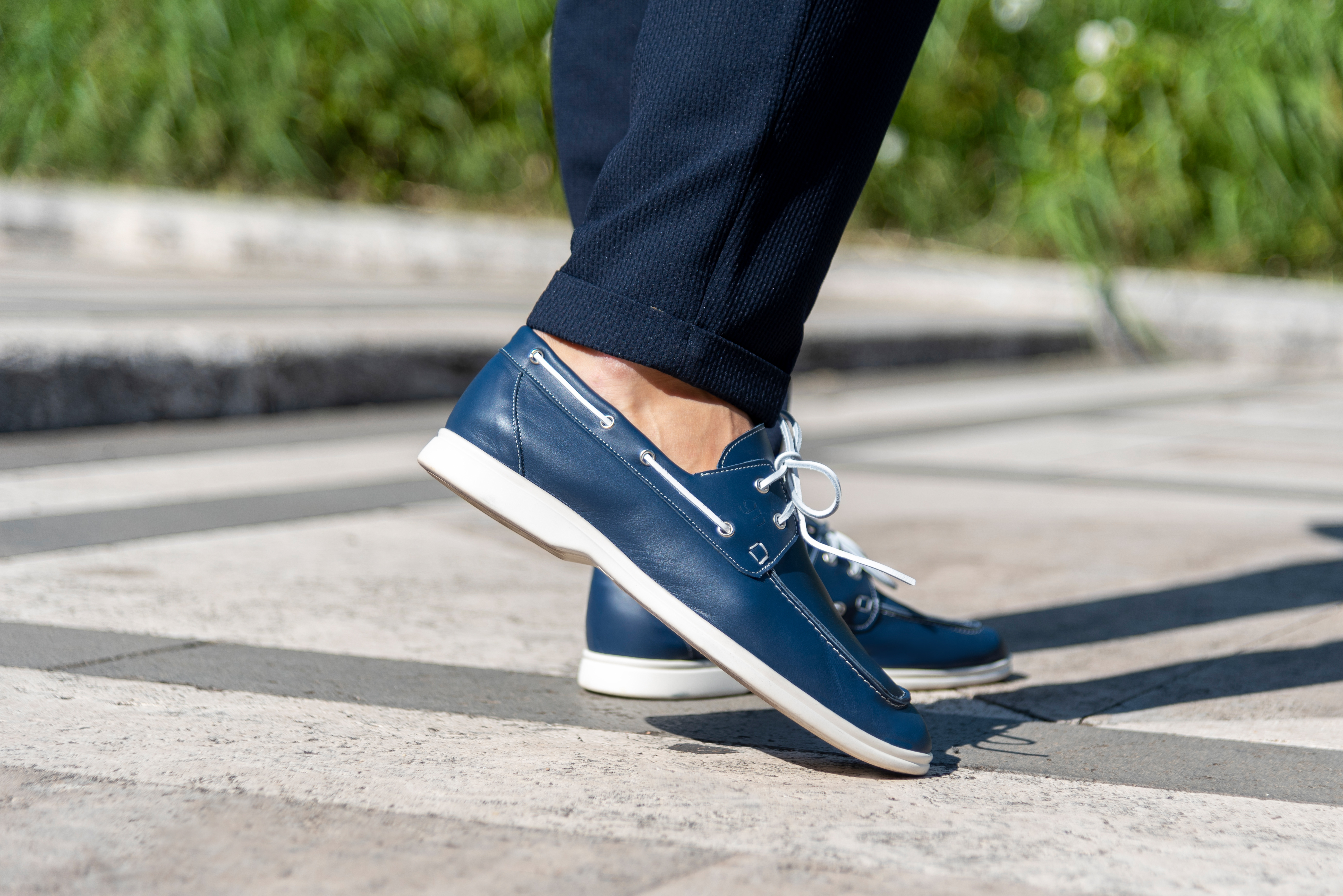
GuidoMaggi Elevator Shoes 12

Top Categories Worth Considering

Classic dress shoes remain the gold standard for elevator footwear, since oxfords and derbies naturally accommodate a slightly raised sole without looking out of place. Whenever a suit is involved, whether for the office or a black-tie evening, this is the category most men reach for first.

Elevator sneakers have grown into one of the most requested categories in recent years. Chunky-soled trainers already carry a thicker profile as part of current style trends, which makes hiding a height boost inside them easier than ever. This category works particularly well for men who spend most of their week in casual or business-casual environments.

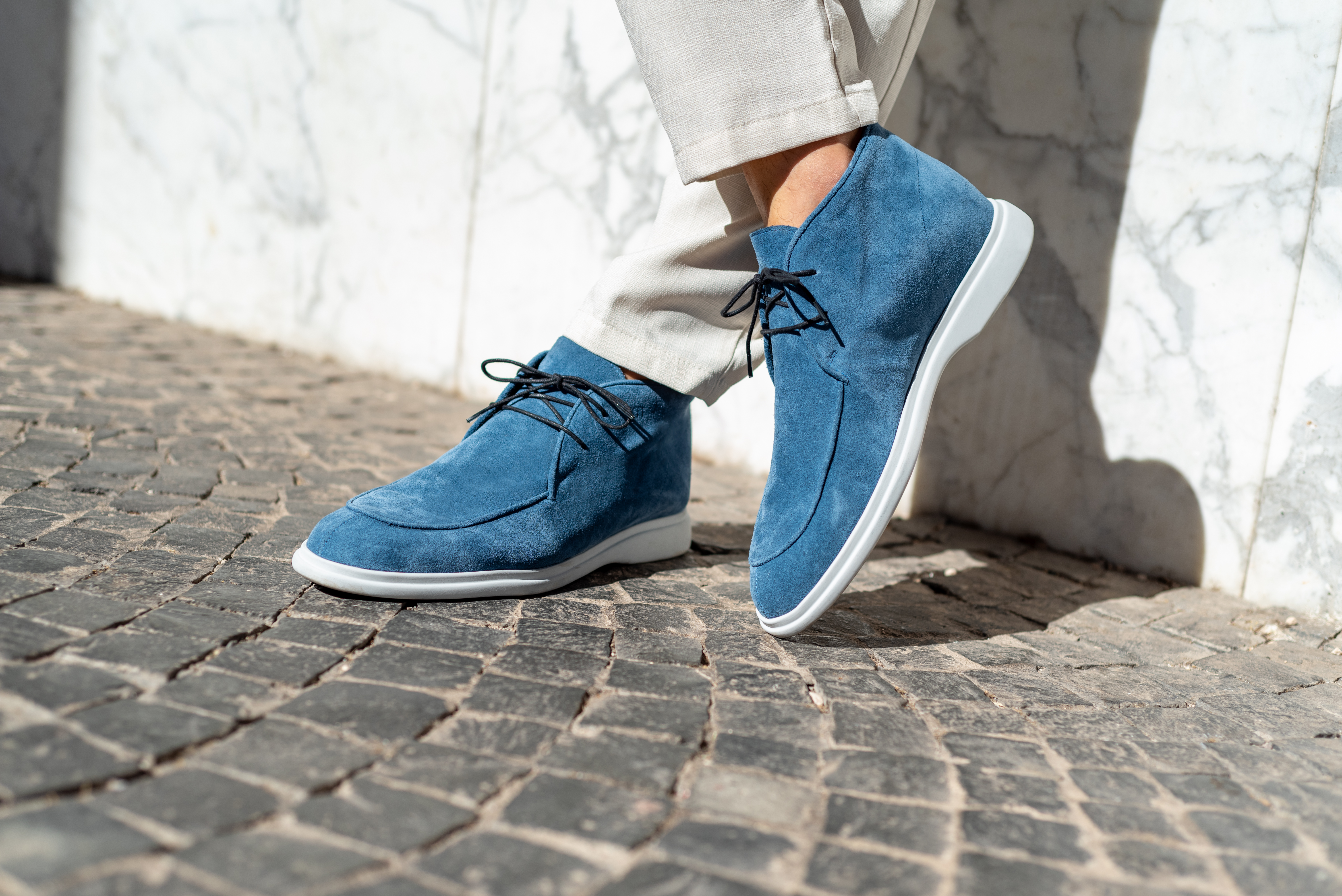
Boots offer some of the best options for height enhancement because the additional shaft height and existing heel structure of a boot give designers more room to work with. Chelsea boots and chukka boots in particular tend to hide internal lifts exceptionally well.

Loafers fill the gap for men whose wardrobe sits somewhere between a suit and jeans. A well-made elevator loafer looks completely ordinary while adding noticeable height, making it a versatile option for smart-casual dress codes.

Brands Known for Quality Craftsmanship

When narrowing down the best options, brand reputation and manufacturing background carry real weight, since the internal engineering required for a comfortable elevator shoe is more complex than standard shoemaking. GuidoMaggi has built a strong name in this space through handcrafted Italian construction, with each pair built specifically around the demands of a hidden lift rather than adapted from an existing non-elevator shoe design.

Italian craftsmanship in general has a long history of producing well-regarded elevator shoes, largely because traditional shoemaking techniques translate well to the more complex internal structures these shoes require. Brands rooted in that tradition tend to place heavy emphasis on hand-finished leather work, properly cushioned insoles, and a natural-looking silhouette that gives no visual hint of the internal lift.

Key Features to Compare When Shopping

Shopping for the best elevator shoes comes down to comparing a handful of specific features across brands and models.

Height range: Most quality brands offer multiple height options, typically starting around 2 centimeters and going up to 10 centimeters or more for the most dramatic styles. Choosing a height that feels natural for your frame, rather than maximizing the boost, generally produces a more comfortable and confident result.

Removable insoles: Some of the better designs allow the internal lift to be adjusted or swapped out, giving one pair of shoes multiple height settings depending on the occasion.

Breathability: Because elevator shoes pack more internal structure than standard footwear, proper ventilation becomes more important. Linings that let air pass through, paired with a well-finished upper, keep feet drier and cooler across a full day on your feet.

Weight: A well-balanced elevator shoe should not feel significantly heavier than a standard shoe of similar style. Overly heavy construction is often a sign of low-quality filler materials used to bulk out the sole.

Sizing accuracy: Since the internal structure changes how a shoe fits compared to a standard pair, brands with clear sizing guides and responsive customer service make a real difference in getting the right fit on the first try.

Common Mistakes to Avoid

Many first-time buyers make the mistake of choosing the tallest available option without considering comfort or how the height will look with their existing wardrobe. A dramatic height increase can also throw off a person’s natural gait if they are not used to the added elevation, so easing into a smaller lift before moving up to a larger one is generally the smarter approach.

Some buyers also let sticker price outweigh how the shoe is actually built. A cheaply made elevator shoe might save money upfront but often needs replacing within a year, while a well-constructed pair from a specialist brand can last for years with proper care.

Ignoring return policies is another pitfall. Because fit varies more significantly between elevator shoe brands than with standard shoes, buying from a company with a clear and fair return policy protects against a costly mistake.

The best elevator shoes for men combine thoughtful engineering, quality materials, and a completely natural outward appearance, giving wearers extra height without sacrificing comfort or style. Brands built specifically around this category, such as GuidoMaggi, tend to outperform generic shoes with an inserted lift, largely because the entire shoe is designed from the ground up with the height mechanism in mind rather than treating it as an afterthought. Taking the time to compare ramp angle, material quality, and sizing accuracy before buying will make the difference between a pair of shoes that feels like a clever upgrade and one that feels like a daily compromise.

How to Choose a Vegan Leather Backpack for Work and Everyday Use

Your bag goes everywhere you go. It walks into the meeting, lands in the overhead bin, sits beside you at the coffee shop, and carries everything that keeps your day moving. That makes the backpack one of the most consequential and most personal purchases in your wardrobe.

The good news is that you no longer have to choose between looking polished and living consciously. Vegan leather backpacks have arrived, and they are not the stiff, plasticky alternatives of years past. Today’s best options are structured, sleek, built to last, and completely cruelty-free. Here’s exactly what to look for.

What “Vegan Leather” Actually Means Right Now

Not all vegan leather is the same, and this matters more than most people realize before they buy.

The term covers a spectrum. On the lower end, you have basic PU (polyurethane), fine for a few months but prone to peeling, cracking, and that unmistakable synthetic smell once the surface starts to break down. On the higher end, you have premium vegan leather, which is a genuinely different material. It mimics the weight, texture, and durability of animal leather without the livestock supply chain attached to it. It handles moisture far better than traditional leather on a bad rain day, and high-quality microfiber vegan leather generally requires less maintenance than animal leather and is designed to resist moisture, fading, and everyday wear.

That said, not every vegan backpack on the market uses the same materials throughout. Construction varies by brand and by product line, so it’s worth reading the product details before you buy rather than assuming all vegan leather performs the same.

One brand worth knowing: Doshi is a PETA-Approved Vegan brand whose vegan leather backpack collection spans a range of premium vegan materials depending on the design. Lightweight, structured, and cruelty-free, it’s a useful benchmark when you’re evaluating what a well-built vegan backpack should feel like.

The First Question: What Does Your Day Actually Look Like?

Before you get to any specific bag, get honest about how you carry.

Some people commute light: laptop, notebook, a charger, maybe a water bottle. Others are essentially mobile offices, carrying documents, a full tech kit, gym clothes, lunch, and somehow still expected to look put-together when they walk through the door. And then there’s the person who needs one bag that handles the Monday morning meeting and the Thursday evening flight.

Answering that question first makes everything else easier.

If your commute is lean: You want a slim, structured silhouette that doesn’t add visual bulk and moves cleanly from office to transit. Look for a dual-compartment interior and elevated details like a microfiber vegan leather top handle. The Pro Form Backpack sits squarely in this lane. It comes in black, blue, beige, and grey. Neutral colorways such as black, grey, and beige are the most versatile. Black pairs with everything, while beige reads more fashion-forward without sacrificing professionalism.

If you carry more: A mid-size bag with a structured profile is where most people end up. You want more real estate without the silhouette going soft or overstuffed, something that looks intentional whether it’s on your back at the office or rolling through an airport. The Pro Travel Vegan Backpack 301 delivers exactly that: a deeper footprint than a slim commuter bag, multiple exterior and interior pockets, a separate padded laptop sleeve, and a padded ventilated back panel.

If you need maximum flexibility: An expandable silhouette gives you the option to compress when you’re packing light and open up when you need it. The expandable Pro Travel Vegan Backpack 401 expands from 6.3 to 8.7 inches in depth, giving you meaningful extra room on longer trips without committing to a larger profile every day. Lockable zippers add a layer of security that’s especially useful in airports and busy cities.

The Interior Is Where You Actually Live

The outside of a bag sells it. The inside is where you either feel organized or quietly frustrated every single day.

A dedicated, padded laptop compartment is the minimum, not a felt-lined sleeve at the back of the main compartment that shares space with everything else. A fully separated section with padding on all sides keeps your screen from taking impact when the bag drops. Most quality vegan leather backpacks in the professional range accommodate laptops with this kind of protection built in; confirm the spec before you buy.

Beyond that, look for interior zones that reflect how you actually pack: elastic organizers for cables, a compartment for a power bank, and slip pockets for documents you need to hand over quickly. These details are the difference between a bag you reach into blindly every morning and one you can navigate on autopilot.

Quick-access exterior pockets matter just as much. Your phone, your transit card, your boarding pass: these should never require opening the main compartment. Front and rear zippered pockets exist precisely to solve this, and bags without them will frustrate you faster than you expect.

The Features That Separate Good Bags from Great Ones

A luggage trolley sleeve. If you travel with a rolling suitcase even occasionally, this single feature changes your airport experience entirely. It’s a strap on the back panel that slides over a suitcase handle, so your backpack rides on top of your luggage instead of pulling on your shoulders. It sounds minor. It is not minor. Look for it explicitly before you buy, because not every bag includes it.

Water resistance. High-quality vegan leather is inherently more moisture-resistant than animal leather, but look for water-resistant zippers on bags you plan to use year-round. A soaked laptop is a bad day.

Padded, adjustable straps with real back support. A bag you wear five days a week will tell you if the straps aren’t built well. Breathable back panels and contoured shoulder straps are what separate comfortable daily carry from the kind of tension that builds in your upper back by Wednesday.

On Style: What Actually Travels Between Contexts

The most wearable professional vegan backpacks are the ones that don’t draw attention to themselves as backpacks. Clean lines, neutral tones, and hardware that functions without announcing itself are the signatures of a bag that works with a tailored blazer, works with denim, and never looks like it’s fighting the rest of your outfit.

That’s the aesthetic standard worth holding any bag to. A split-front panel can give a silhouette a distinctive, editorial quality while still keeping the overall profile narrow and office-appropriate. It looks considered without being precious.

Black remains the most universally versatile choice. But if your wardrobe runs more tonal, softer colorways like beige and grey offer something fashion-forward without sacrificing the professionalism that a work bag needs to carry.

How the Series System Works (and How to Use It)

If you’re shopping Doshi’s vegan leather backpack collection, the brand organizes its line into three distinct series that make the decision easier once you understand the logic.

The 200 Series is the slim and minimalist range, with compact profiles for people who pack with discipline. These vegan backpacks provide practical organization without unnecessary bulk.

The 300 Series is the largest section and where most people find their match. Built for days that require more than a slim commuter bag can carry, with structured profiles that stay intentional-looking even when fully packed.

The 400 Series is the expandable, high-capacity end of the line. Travel-optimized and premium in build, it’s designed for the person whose bag needs to function across a full work trip without being checked.

Why It Matters That It’s Vegan

The ethical argument speaks for itself. No animals involved. But for a style-minded reader, the practical case runs deeper than that.

Compared to animal leather, high-quality microfiber vegan leather typically requires less upkeep: no conditioning, easier to clean, and generally more resistant to moisture and temperature changes. It tends to be lighter too, which for a bag you’re putting on your back every day is not a small thing.

There’s also no tanning process and no livestock supply chain embedded in what you’re carrying. For people who think carefully about what they consume and how it’s made, that adds up over time.

A Few Things Worth Confirming Before You Buy

Warranty terms are worth reading before you purchase, not after. Understand whether coverage applies to manufacturing defects specifically, as that’s a different category from general wear. Returns policies vary, but 30 days is a reasonable standard that gives you enough time to actually live with the bag and decide whether it works for your routine.

And if you genuinely can’t commit to a single carry style, keep an eye out for convertible silhouettes that offer multiple configurations. Worth considering if your everyday life is still evolving.

The Bottom Line

The question around vegan leather backpacks used to be whether they were good enough. That question has been answered. The materials are there. The construction is there. The style is there.

The real question now is which one fits your life, your commute, your carry style, and your aesthetic. Start with capacity. Match it to your day. Let the rest follow from there.

How to Add Steampunk Style to Your Everyday Wardrobe

Steampunk fashion can look intimidating from the outside. Corsets, top hats, goggles, long Victorian coats and elaborate accessories are great for conventions or themed events, but they are not exactly what most people want to wear to grab a coffee.

That doesn’t mean steampunk has to stay in the costume closet. A lot of its individual pieces work surprisingly well with modern clothes. Victorian shirts, worn leather, boots, waistcoats and antique-looking jewelry can all become part of an everyday wardrobe without making you look like you’re heading to a steampunk festival.

The trick is simply knowing what to borrow from the style.

Borrow From Victorian Fashion

You don’t have to dress like a nineteenth-century aristocrat to bring some Victorian influence into an outfit. Start with the details.

A blouse with puff sleeves or a high collar, for example, can look completely contemporary with black jeans. Lace and ruffles work in the same way. They carry that historical feeling, but the rest of the outfit keeps things grounded in the present.

Corsets are another obvious steampunk reference, although they don’t necessarily have to be worn as traditional corsets. Corset belts can be layered over dresses and shirts, while corset-inspired tops work well with trousers or a simple skirt.

For men, a waistcoat is probably the most straightforward option. Skip the full three-piece Victorian suit and wear one with a plain shirt, dark trousers or even jeans.

If you’re not sure where to begin, browsing complete steampunk outfits can be useful for spotting combinations you like. Instead of copying a look from head to toe, pick out one or two details and see how they could fit into your existing wardrobe.

Use the Steampunk Color Palette

Sometimes you don’t even need an obviously steampunk garment. The right colors and materials can do most of the work.

Think brown leather, black, charcoal, cream, burgundy and deep olive. These muted shades naturally evoke the Victorian and industrial influences behind the style, especially when several of them appear together.

Brown is particularly useful because it immediately moves an outfit away from a modern all-black alternative look. A brown leather jacket, belt or pair of boots can introduce a warmer, older feel without being overly theatrical.

Then there are the metal details. Brass-colored buckles, chains, rivets and aged silver jewelry bring in the mechanical side of steampunk. They look especially good against leather and dark fabrics.

You don’t need gears attached to everything. In fact, a few understated industrial details usually look better when you’re dressing for everyday life.

Accessories Are Your Best Friend

Steampunk has no shortage of accessories, and this is where you can have a little more fun.

Pocket watches are a classic. They’re closely associated with Victorian menswear and have naturally become a staple of steampunk fashion. Wear one with a waistcoat if you want the traditional look, or attach one to a belt for something less formal.

Jewelry is even easier. Rings with antique finishes, layered chains, mechanical pendants and vintage-inspired necklaces can add character to a very simple outfit. Bronze and aged silver tend to work particularly well.

Then there are goggles. They’re probably one of the first things people associate with steampunk, but admittedly, walking around town in aviator goggles isn’t for everyone. Round metal sunglasses give you some of the same visual effect while being much easier to wear.

Don’t overlook bags either. An old-fashioned leather satchel with buckles can fit the aesthetic beautifully and still carry everything you need for the day.

Get the Boots Right

A good pair of boots can carry an entire steampunk-inspired outfit.

You don’t need anything particularly extravagant. Black or brown lace-up boots already have the right character, especially if the leather has a slightly worn finish. Buckles and straps can push them further into steampunk territory without making them impractical.

They also work with almost everything. Wear them under jeans for a subtle look, with a long skirt for something more Victorian, or with fitted trousers and a waistcoat if you want the steampunk influence to be more noticeable.

For women, heeled ankle boots and knee-high lace-up boots are good alternatives. Decorative buttons, buckles or vintage-style shapes can make even a fairly simple pair feel appropriate.

This is also one area where buying something explicitly marketed as “steampunk” isn’t really necessary. Vintage, biker and heritage-style footwear often works just as well.

Mix It With Clothes You Already Wear

This is probably the most important part. Don’t build every outfit around steampunk.

Take one interesting piece and wear it with clothes that already feel like you. A Victorian blouse with faded jeans. A waistcoat over a T-shirt. A corset belt over a plain dress. Lace-up boots with cargo trousers. An antique pendant with a basic black top.

Those combinations feel much more natural than wearing five heavily themed pieces at once.

You can also adjust the amount of steampunk depending on where you’re going. An everyday outfit might only need boots and a piece of jewelry. For a night out, add a dramatic blouse or fitted waistcoat. If you’re heading to a festival or event, that’s when the goggles, top hats and more elaborate layers can come out.

There’s no reason every steampunk-inspired outfit has to announce itself immediately.

Make the Style Your Own

Steampunk has always mixed influences rather than following one strict historical formula, so there’s plenty of room to experiment.

Someone with a goth wardrobe might lean toward black Victorian blouses, corsets and dark metal accessories. A more casual dresser could stick to brown boots, leather bags and waistcoats. If you prefer feminine outfits, long skirts, lace, fitted jackets and corset details are easy places to start.

You can even borrow from steampunk without thinking of your outfit as steampunk at all.

That’s what makes the style interesting outside conventions and costume events. You don’t need to recreate an entire fictional Victorian world every morning. Take the parts you genuinely like, mix them with your regular clothes and leave the rest behind.

Sometimes a great pair of boots and an old-looking pocket watch are all you need.

Look of the Month July 2026: Cardi B at Couture, Beyonce at Yankees Stadium, Zendaya in Schiaparelli, and More!

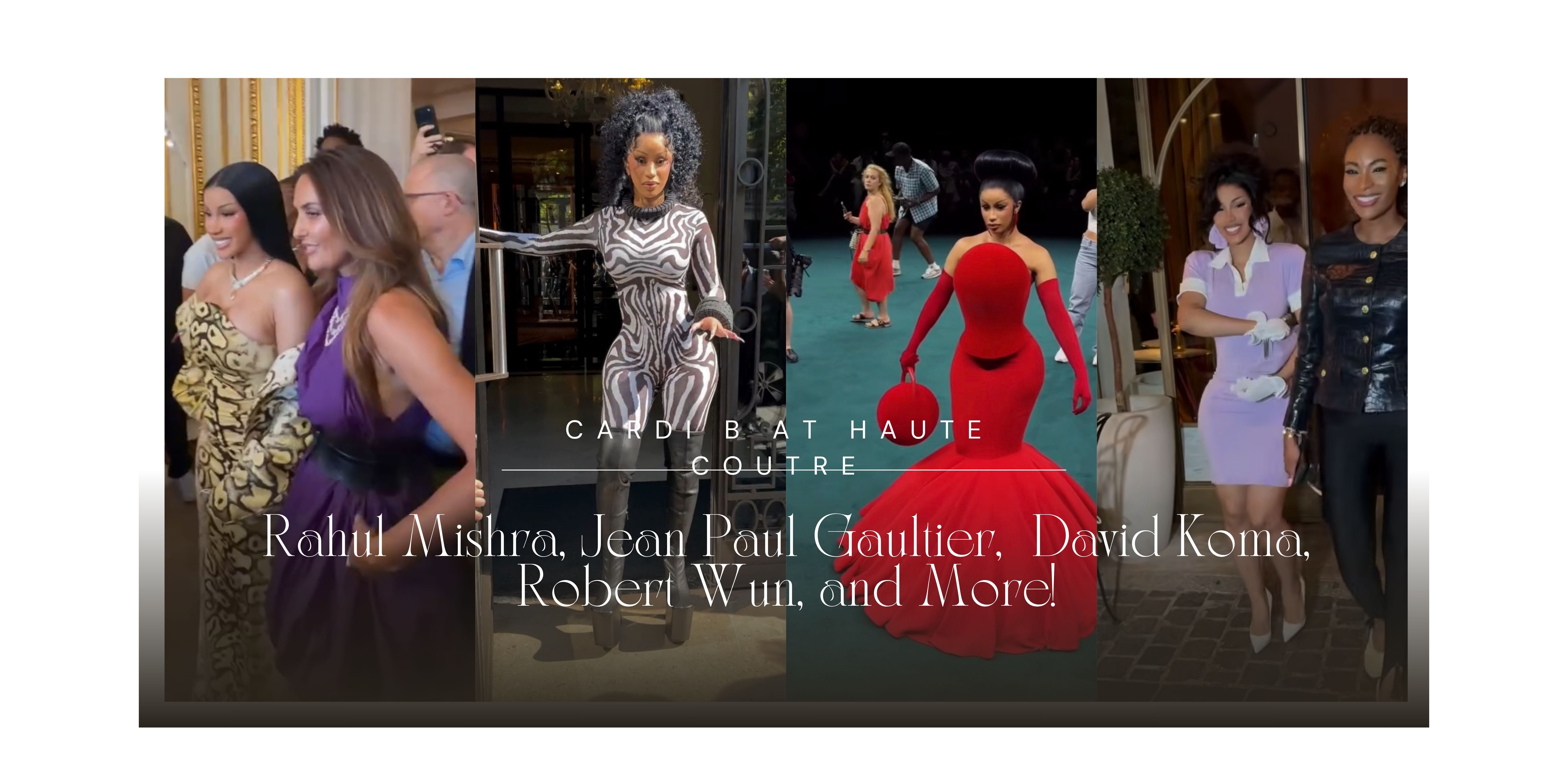
July was a month filled with unforgettable fashion moments, from the runways of Paris Haute Couture to concert stages and stylish city streets. After thousands of votes from the Fashion Bomb Daily community, Cardi B claimed the top spot as our Look of the Month winner, thanks to an incredible run of couture looks that cemented her status as one of fashion’s boldest risk-takers.

Take a look at who else made our list below:

1.Cardi B in Couture

Cardi B Stuns At Paris Couture Week In Rahul Mishra Striped Jean Paul Gaultier Snake Print David Koma Red Robert Wun And More 8

Throughout Haute Couture Fashion Week, Cardi delivered one jaw-dropping look after another, embracing dramatic silhouettes, intricate embellishments, and impeccable craftsmanship. Among her standout moments were breathtaking creations by Georges Hobeika, archival Mugler, and several other couture houses that made Paris her personal runway. With every appearance, Cardi reminded us why she’s become one of fashion’s most exciting front-row stars.

    2.Beyonce at Jay Z’s 30th Anniversary Concert

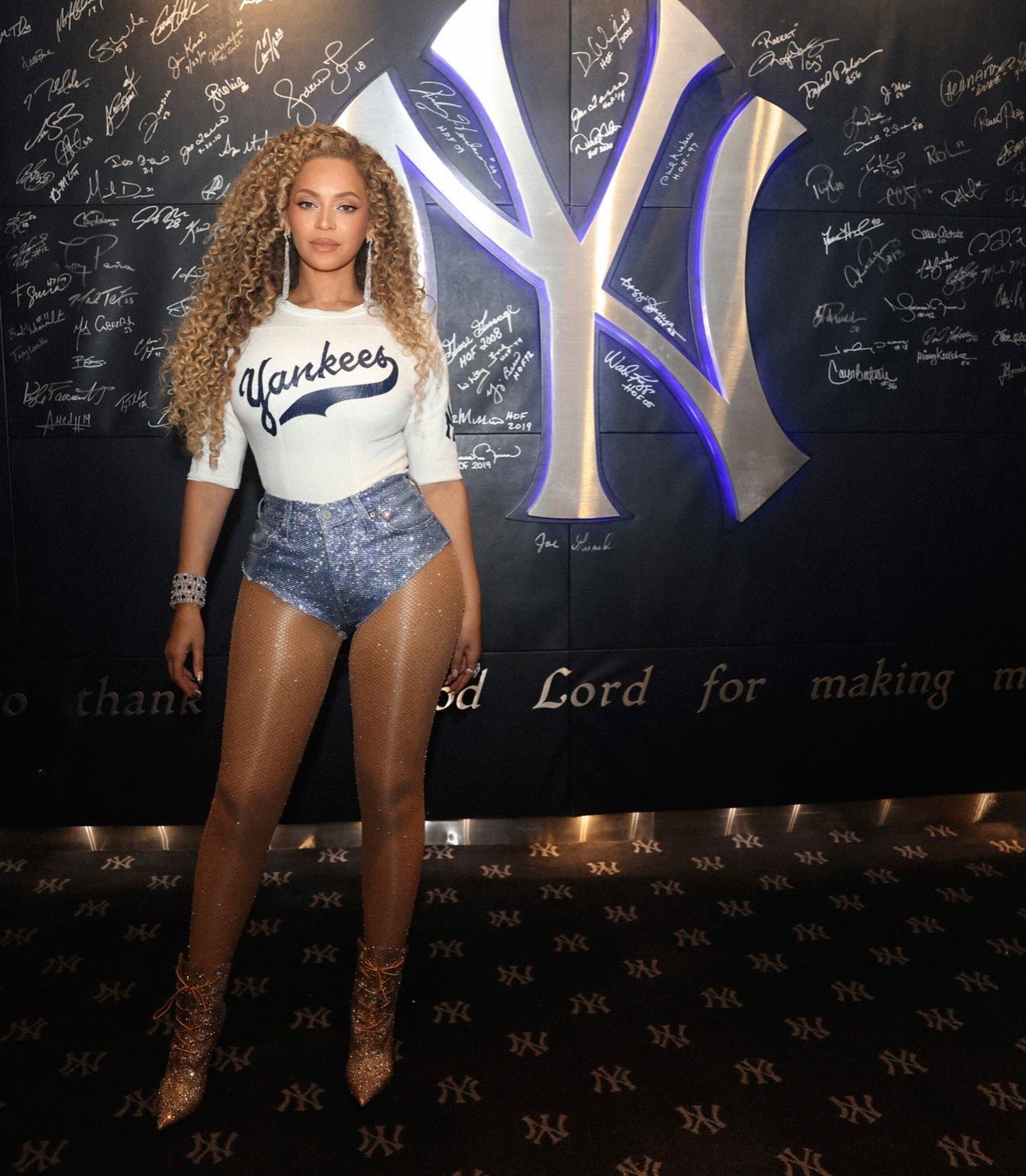
    9090 9909 Beyonce Sparkles In Custom Yankees Tee Levins Shorts And 150 DBleuDazzled Crystallized Fishnets At Jay Zs 30th Anniversary Celebration Jimmy Choo Timberland

    Coming in second was BeyoncĂ©, proving once again that true style doesn’t always require couture. The superstar captivated fans with a refreshingly understated look while attending a Yankees game, pairing a simple white tee with classic Levi’s jeans and Timberland boots. Effortless, timeless, and undeniably cool, the look resonated with fans who appreciated its authenticity and accessibility.

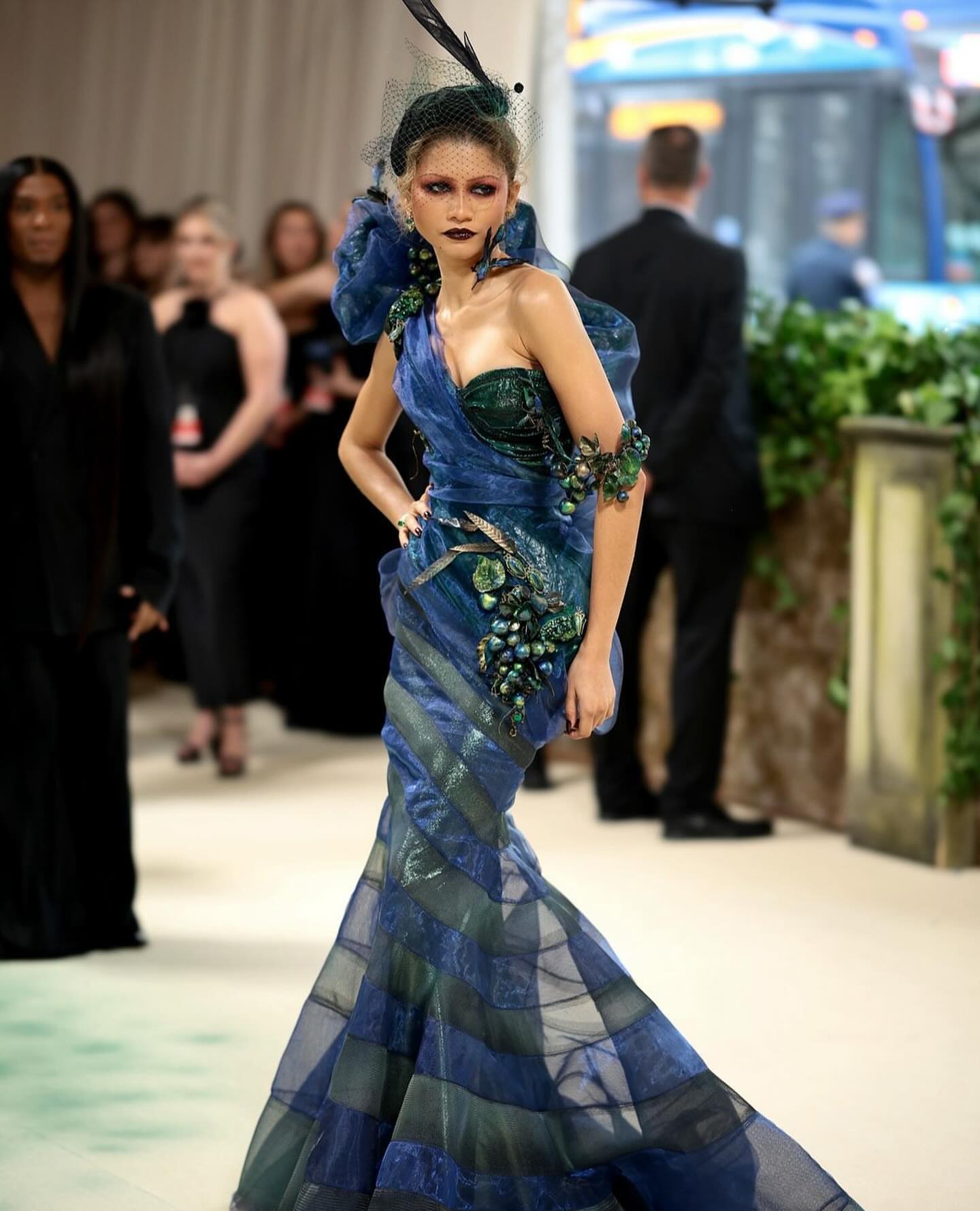
    3. Zendaya in Schiaparelli Couture

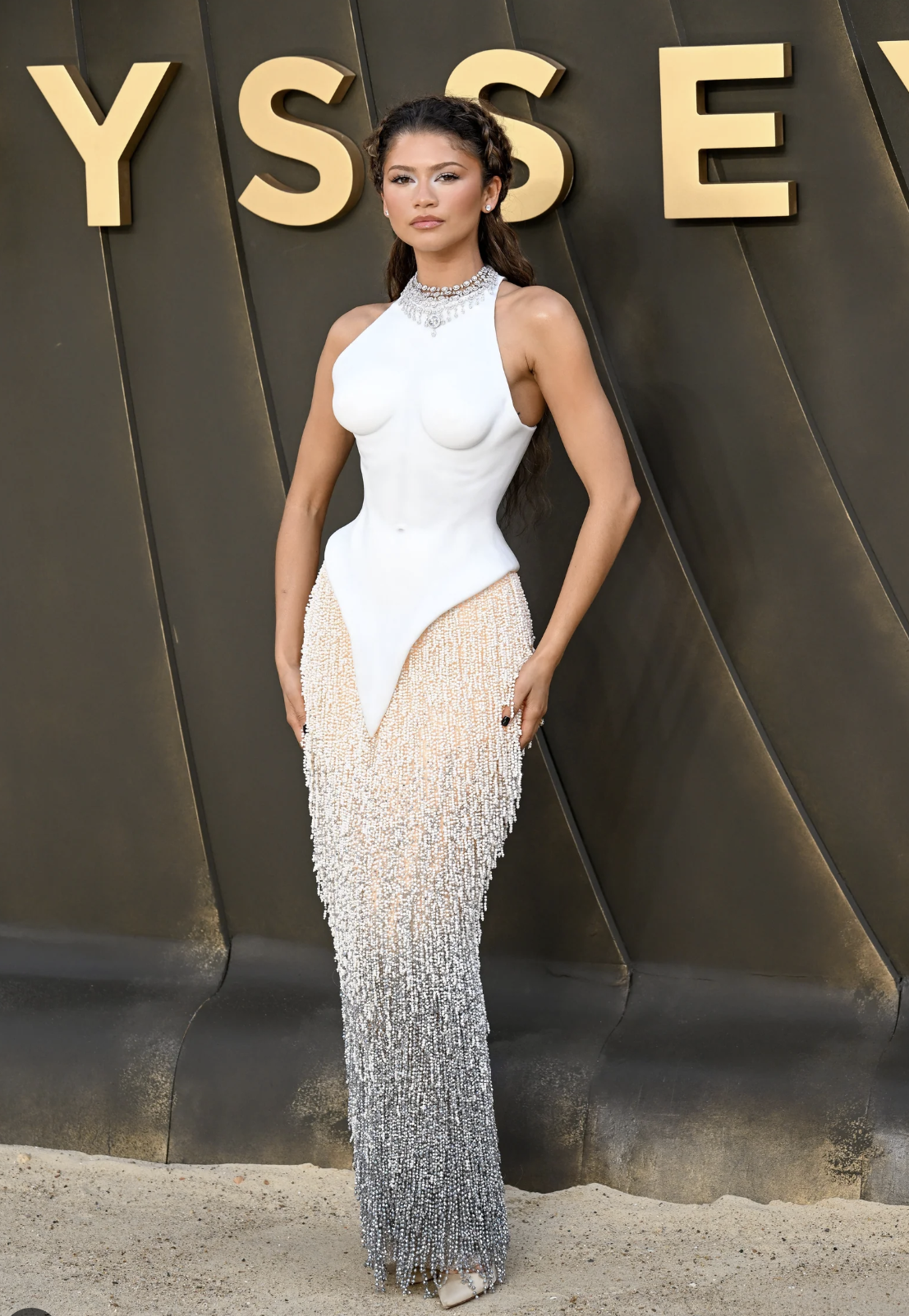
    Zendaya In Schiaparelly Couture

    Zendaya and stylist Law Roach have been bringing the fashion to Zendaya’s summer sweep of press appearances and red carpets, but her Schiaparelli ensemble rose to the top as one of her most liked looks.

    Not only was it exquisite, it also famously debuted on the runway in Paris hours before it appeared at the Spiderman: Brandy New Day London premiere. Both Law and Zendaya have shown a commitment to style that is unmatched, and has us all collectively looking forward to the next look.

    4. Simone Biles In Custom Eman Alajlan Gold Gown

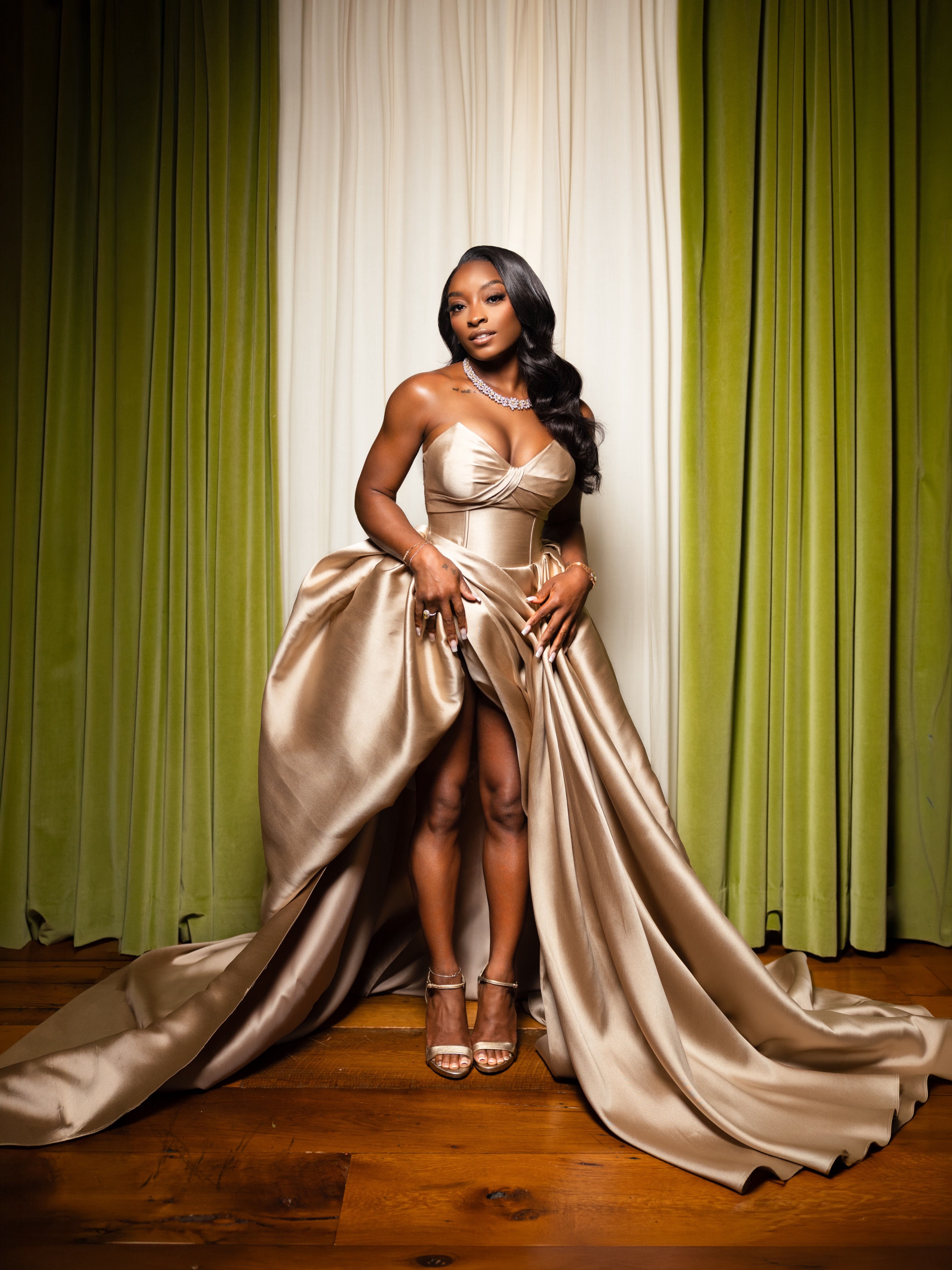
    898 Simone Biles Stuns In Custom Eman Alajlan Gold Gown Jonathan Owens In Maestro Philippe At 2026 ESPY Awards

    Simone Biles and Jonathan Owens brought old Hollywood glamour to the 2026 ESPY Awards, coordinating in rich, complementary tones for the star-studded evening. Biles stunned in a custom gold silk gown from Eman Alajlan, featuring a strapless sweetheart neckline, a draped bodice, and a dramatic high-low skirt with a voluminous train. She completed the look with Le Silla heels and a diamond necklace, keeping the accessories elegant and understated against the gown’s striking metallic sheen.

    That does it!

    From couture masterpieces to elevated everyday dressing, July reminded us that great style comes in many forms. Whether making headlines in Paris, owning the front row, or keeping it classic courtside, these women delivered some of the month’s most talked-about fashion moments.

    What do you think? Which look was your fave?

    Photo Credit: Salvatore DeMaio,

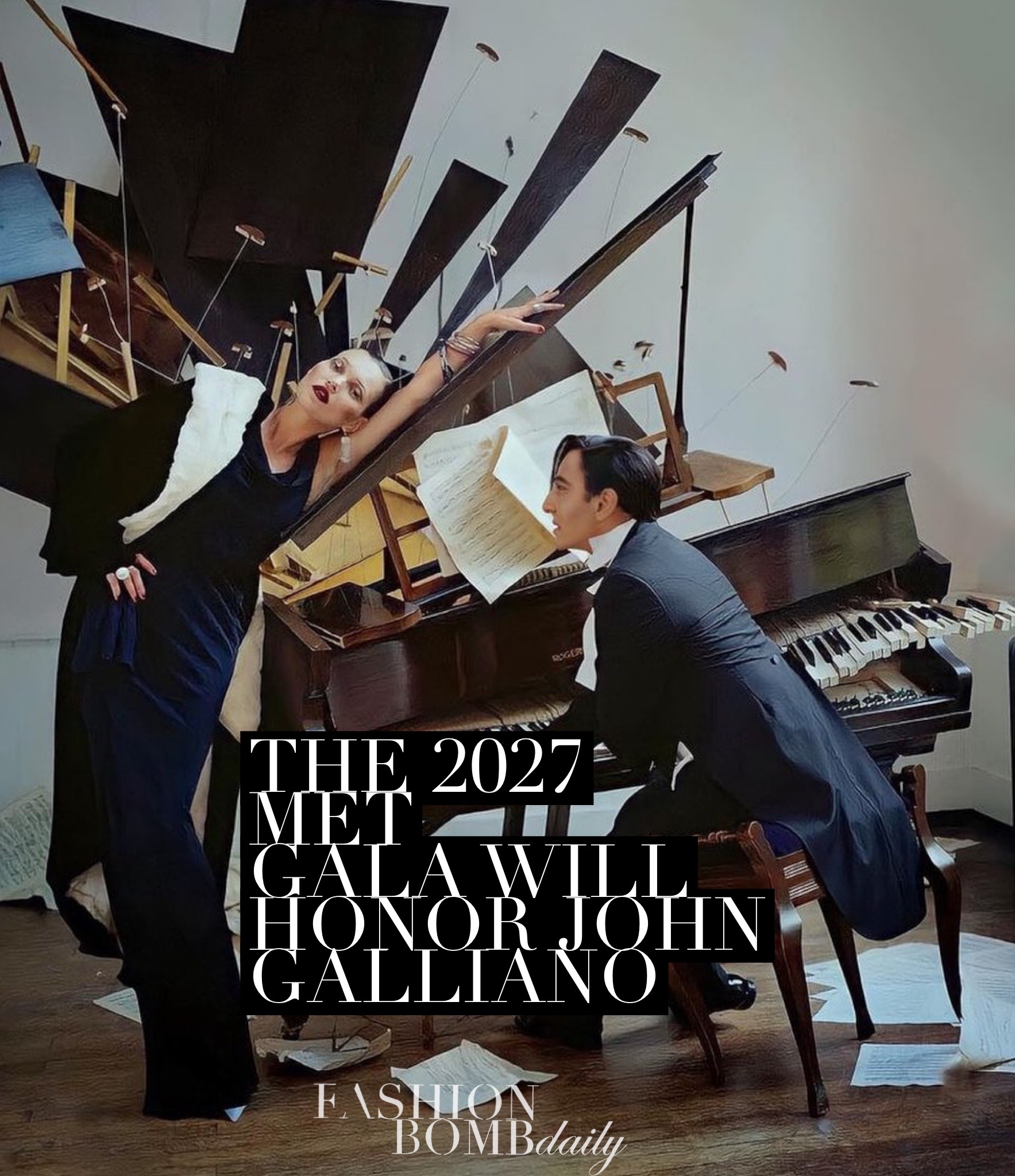
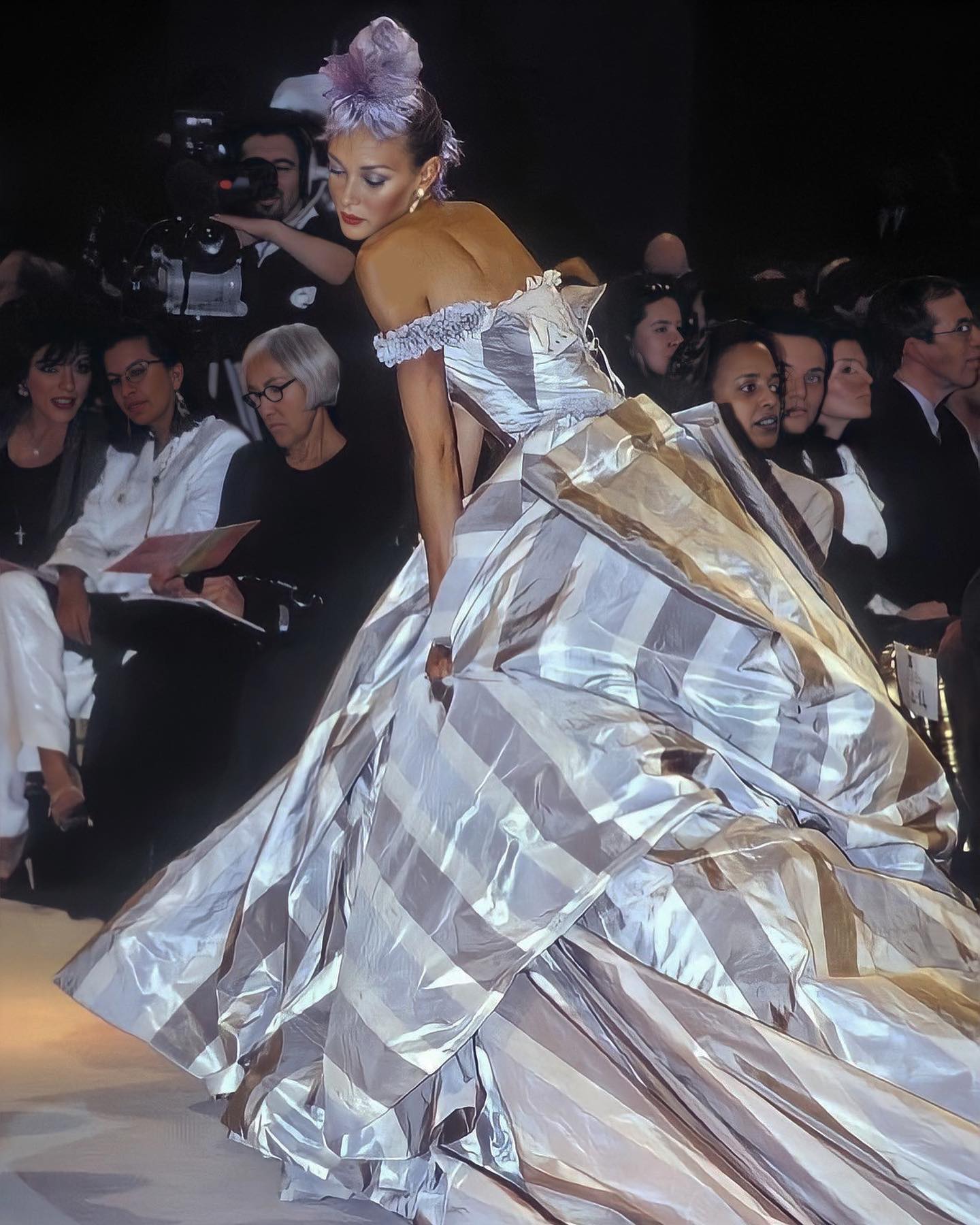
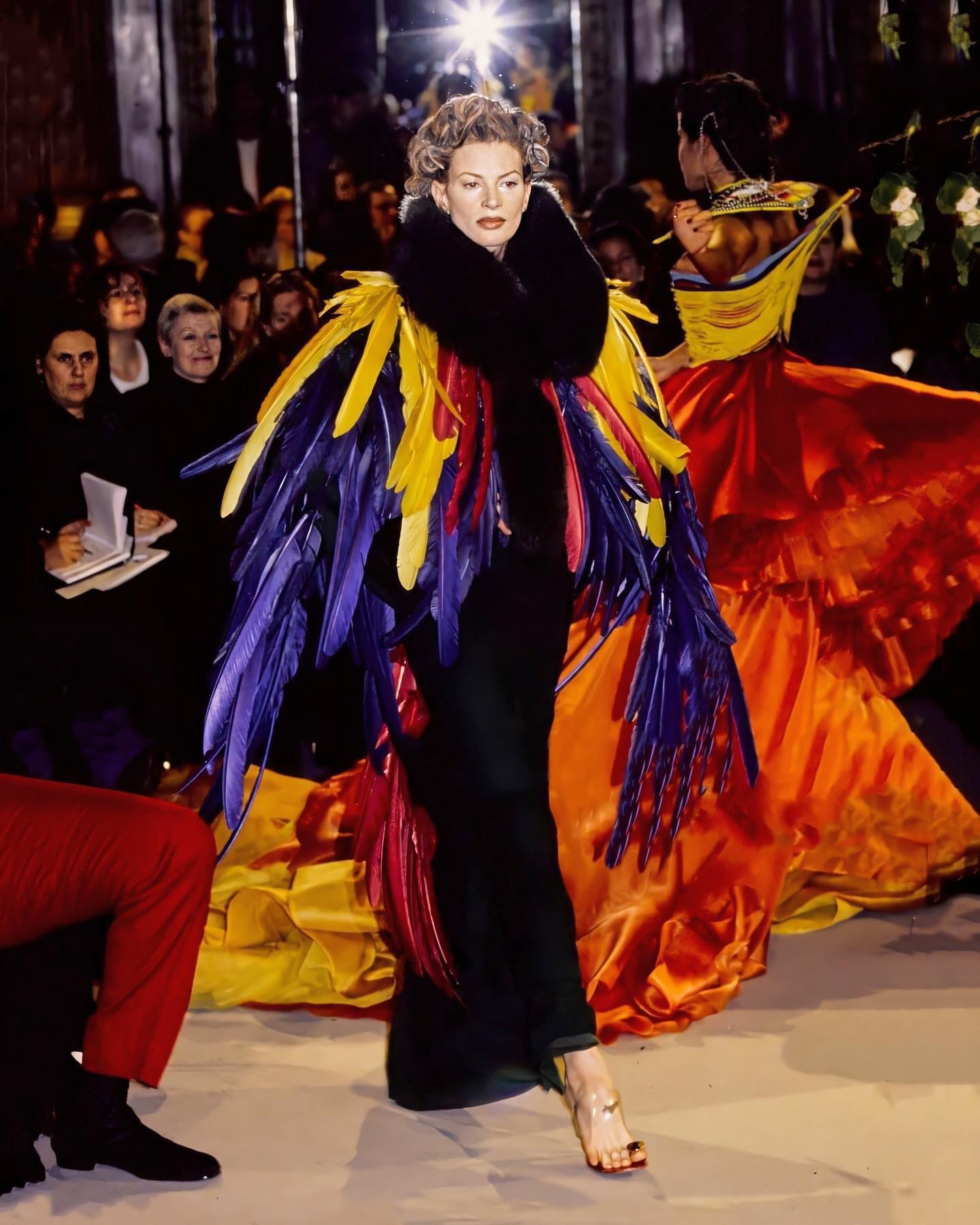
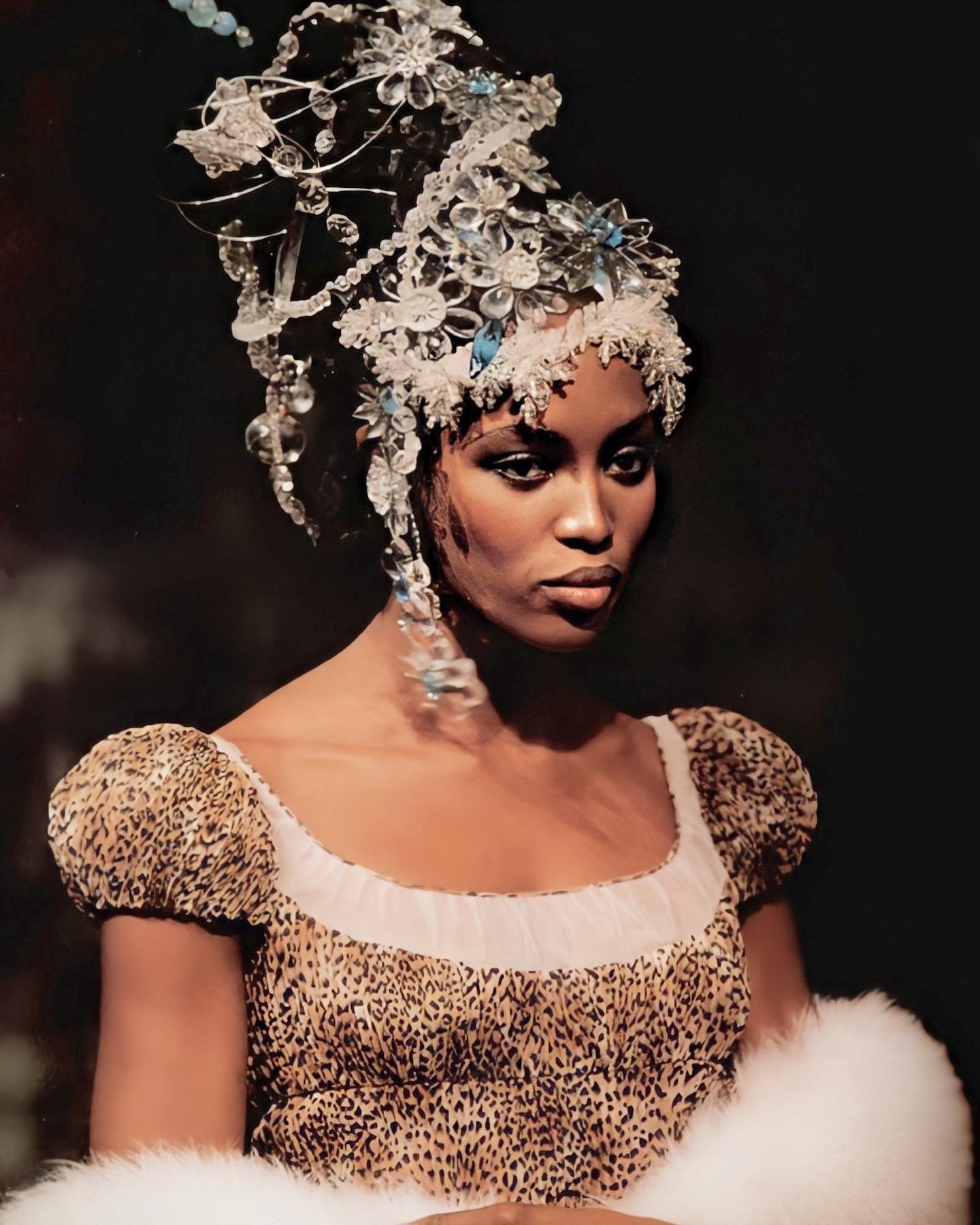
    2027 Met Gala Theme Announced: John Galliano to Be Honored with Costume Institute Exhibition

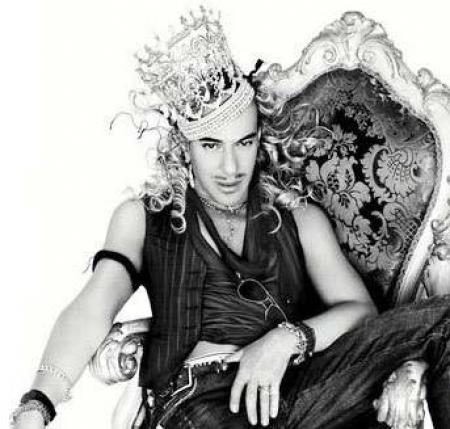
    The Metropolitan Museum of Art has officially announced that the 2027 Met Gala will celebrate the extraordinary career of legendary designer John Galliano. The Costume Institute’s spring exhibition, John Galliano: Horizons, will serve as the inspiration for fashion’s biggest night, making Galliano only the third living designer to receive a solo exhibition from the Costume Institute while still living, following Yves Saint Laurent in 1983 and Rei Kawakubo in 2017.

    2027 Met Gala Theme Announced John Galliano To Be Honored With Costume Institute Exhibition Final 23

    Opening on May 9, 2027, the exhibition will trace Galliano’s remarkable career from his groundbreaking graduate collection at Central Saint Martins through his influential tenures at Givenchy, Christian Dior, Maison Margiela, and his own label. Organized into three sections, the exhibition will explore the evolution of one of fashion’s most imaginative designers, highlighting the artistry, craftsmanship, and storytelling that have defined his work for more than four decades.

    2 2027 Met Gala Theme Announced John Galliano To Be Honored With Costume Institute Exhibition

    The exhibition will also examine one of the most controversial moments of Galliano’s career. Rather than overlooking his 2011 dismissal from Dior and his namesake label following antisemitic remarks that resulted in a criminal conviction in France, the exhibition will place those events within the broader context of his career, exploring the intersection of artistic achievement, accountability, and redemption.

    6 2027 Met Gala Theme Announced John Galliano To Be Honored With Costume Institute Exhibition

    In announcing the exhibition, Anna Wintour praised Galliano’s ability to blend scholarship with imagination, describing his work as a fusion of past, present, and future that continues to inspire the fashion industry. From his theatrical runway spectacles to his transformative couture collections, Galliano has left an undeniable mark on modern fashion.

    2027 Met Gala Theme Announced John Galliano To Be Honored With Costume Institute Exhibition Image 1785589926 1

    Fashion fans can expect the 2027 Met Gala red carpet to embrace Galliano’s signature aesthetic, with dramatic silhouettes, couture craftsmanship, historical references, lavish embellishments, and theatrical beauty moments. If history is any indication, celebrities and designers alike will interpret the theme through bold, imaginative looks inspired by one of fashion’s greatest visionaries.

    2027 Met Gala Theme Announced John Galliano To Be Honored With Costume Institute Exhibition Image 1785589878 1

    John Galliano: Horizons opens to the public on May 9, 2027, and runs through January 9, 2028. As always, the Met Gala will officially launch the exhibition, bringing together fashion’s biggest names for the Costume Institute’s annual fundraising event.

    2027 Met Gala Theme Announced John Galliano To Be Honored With Costume Institute Exhibition Image 1785590231 1

    Will John Galliano’s extraordinary legacy inspire one of the most memorable Met Gala red carpets yet? Tell us what you think below.

    Photo Credit: @gallianoarchive

    Noirci Studio Is the Black-Owned Online Shop Making African American Wall Art Prints Collectible

    Image

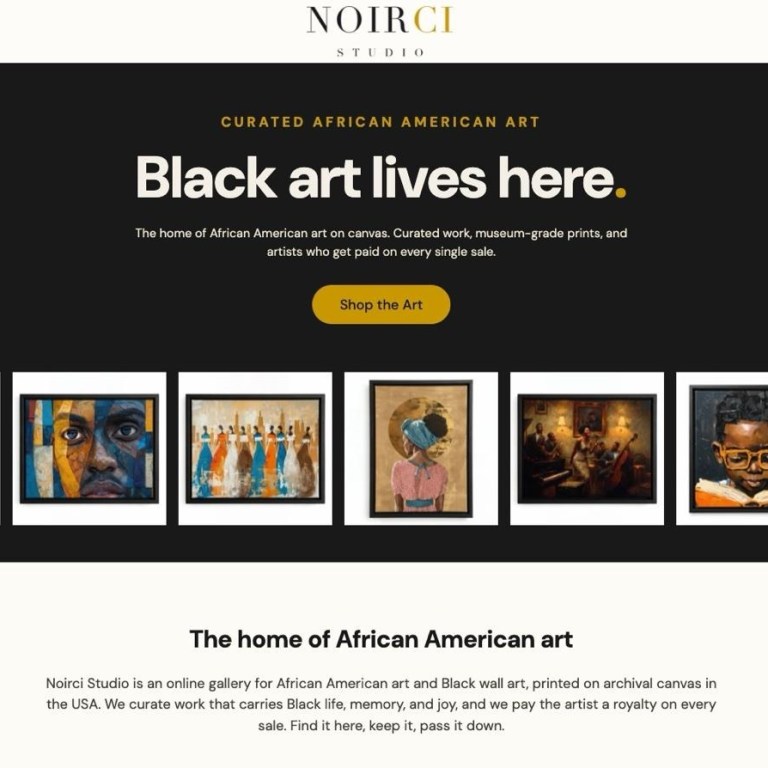
    Noirci Studio is a Black-owned online shop and art marketplace where you can buy African American wall art prints, archival canvas pieces made from original paintings by Black artists. Maybe you’ve been searching for where to buy Black art online, from Black woman art and Black love art to Harlem Renaissance jazz portraits and Afrocentric abstracts. This marketplace answers with artwork sourced from original works and free US shipping.

    The story starts with a painter, not a warehouse. Robert Lawrence, an Atlanta-raised artist who has been painting since 2006, founded Noirci Studio in 2024 and runs it from Plano, Texas. Every piece on the site begins as an original work. The originals stay with the artists who made them. What you buy is a museum-grade giclée canvas checked against the source work, and much of the catalog is released in limited editions backed by a certificate of authenticity.

    “I kept watching Black art get sold everywhere except by us,” Lawrence says. “Somebody else’s warehouse, somebody else’s margins, no artist’s name anywhere on the page. I built the store I couldn’t find.”

    That model matters more than it sounds. Usually, “Black art print” on the big marketplaces means an open-ended digital file run off on demand, with no edition, no provenance, and no guarantee a Black artist saw a dime. Here the terms are inverted. Artists earn a royalty on every sale, each canvas is verified before it leaves the printer, and editions are capped across much of the catalog.

    Where to buy Black art online, without the guesswork

    Type “buy Black art online” into any search bar and you’ll drown in options. Etsy alone returns thousands of listings of uneven quality, and the mass-market decor sites sell African American canvas wall art with no artist name attached at all.

    Curation is the fix. Noirci Studio carries a curated, browsable catalog organized the way people actually shop, by subject, style, and feeling. Collections cover a wide range of themes including Black woman art, Black love art, Black family pieces, Afrocentric and Afro-boho decor, jazz, and faith-centered work. You can move from a themed collection to a single product page in two clicks, and every page reads like a dossier. With the artwork’s backstory, materials, sizing, and framing laid out in plain language.

    Spend a minute inside the collections and the personalities emerge. In the Harlem Renaissance line there’s Lady Day, a vocalist caught at the exact second the club goes quiet, eyes closed, one hand cradling the mic, gold sequins glittering under amber lanterns while her band works in the smoky dark. Golden Crown gives you a woman with her back to the viewer, a disc of burnished gold rising behind her head like a halo she earned, teal headwrap knotted over natural curls. And Held Close, from the Black love collection, is two people forehead to forehead against a plain cream field, her marigold dress and his burnt-orange shirt the only color the moment needs.

    These aren’t stock figures. They’re scenes with weather in them.

    Art that teaches while it decorates

    Educational value is baked into the browsing. Each piece names its themes, so a canvas like Black Boy Joy, a young reader in orange glasses lost in a book, arrives with context about curiosity and possibility rather than a bare product shot. The Noirci Studio Journal, the marketplace’s art education center digs deeper, with plain-spoken guides on what home decor, how certificates of authenticity work, the history behind Black art, and new artist on the rise.

    For a first-time collector, that turns a purchase into a small education. For parents, it means the art on a child’s wall can start a conversation.

    Priced for real walls

    Accessibility here is a price tag, not a slogan. Rolled canvas starts around $60, ready-to-hang stretched pieces occupy the middle of the range, and floating-framed formats in walnut, gold, silver, or black cost a fraction of what a gallery original would. Sizes start at 12×12 inches and climb from there.

    “The price of the 12×12 was a decision, not an accident,” Lawrence says. “A teacher furnishing her first apartment should be able to own a real piece with the artist’s name behind it. That’s who I picture when we set prices.”

    Free US shipping applies to every order, returns are accepted for 30 days, and each canvas is printed in the USA on archival poly-cotton with pigment inks rated to last generations. Nothing about the experience assumes you already know how to buy art.

    Built for everyone who’s been left out of the art world

    Inclusivity shows up in the subject matter first. Black women crowned and at rest, Black fathers with daughters, boys reading, couples dancing, elders and church pews and city stoops. It’s a catalog where Black collectors see themselves without translation, and where anyone furnishing a home can find work that carries meaning.

    It also shows up in the business model. The marketplace framing is deliberate. Lawrence built the platform to carry other Black artists’ work alongside his own, with a royalty attached to every sale. In an industry where Black artists have historically been collected but rarely paid fairly, a standing royalty is structural support, not charity.

    Styling it, gifting it

    Most of this catalog was made with specific rooms in mind, and the product pages say so. A Black love canvas over the headboard changes a bedroom. The reading boys and tribal girls belong in nurseries, kids’ rooms, and classroom corners. Jazz portraits settle into offices and dens, while the Afrocentric abstracts hold their own above a sofa in a busy living room.

    That specificity makes gifting simple. Collectors reach for these canvases as housewarming gifts, wedding presents, graduation markers, and upgrades for an office that needs one. Ready-to-hang formats arrive with hardware installed, so the recipient does nothing but choose a nail.

    The bottom line

    Noirci Studio sits in a gap the art market left open, more accountable than a print-on-demand feed, more affordable than a gallery, and built to pay Black artists on every sale. The shop makes African American art prints collectible in the literal sense, verified originals, documented provenance, numbered editions on much of the catalog, while keeping the door open to anyone with sixty dollars and a bare wall.

    “Collectible was never about scarcity games,” Lawrence says. “It’s about respect. A numbered edition says this picture mattered enough to count.”

    How to Build a Strong Financial Foundation for a New Fashion Brand

    Starting a fashion brand often begins with a creative idea. Maybe you have a clear design point of view, a specific customer in mind or a product you believe is missing from the market. But creativity alone is not enough to keep a fashion business running.

    A strong financial foundation matters from the beginning because fashion businesses can require significant upfront spending. Materials, samples, production, packaging, photography, ecommerce tools and marketing can all add up quickly. Without a clear plan, it is easy to spend too much before the business has had a chance to generate steady revenue.

    The goal is not to eliminate risk. It is to understand where the money will go, how much flexibility you need and which expenses deserve priority.

    Start With a Realistic Startup Budget

    Before placing your first production order, build a detailed startup budget. This should include every major cost you expect to face before and shortly after launch.

    Begin with product development. You may need to pay for fabric, trims, pattern making, samples and revisions. Some manufacturers also require minimum order quantities, which means your first production run could be one of your largest early expenses.

    Then add the costs that sit around the product itself. These may include branding, labels, packaging, photography, website development and shipping materials. If you plan to sell online, include the monthly cost of your ecommerce platform and any payment processing fees.

    Marketing should also have its own budget. Even a strong product can struggle if potential buyers never see it.

    Try to separate essential expenses from optional ones. Professional product photography may be necessary. An expensive launch party probably is not. Early-stage financial discipline often comes down to knowing the difference.

    Keep Personal and Business Finances Separate

    Once you decide to treat your fashion label as a real business, create financial boundaries around it.

    Using one bank account for both personal spending and business purchases makes it harder to understand how the company is performing. It also creates unnecessary confusion when it is time to track expenses, prepare financial statements or file taxes.

    Open a dedicated business account when appropriate and use it for company-related income and expenses. This gives you a much clearer view of cash flow.

    You should also keep organized records of invoices, receipts, supplier payments and other transactions. The U.S. Small Business Administration offers useful guidance on business planning, startup costs and financial management for entrepreneurs who want a more structured approach.

    Good bookkeeping may not feel like a creative part of building a fashion brand, but it helps you make better decisions later.

    Understand Your Cost Per Product

    Many new fashion founders focus on the selling price before they fully understand the cost of producing each item.

    That can be a costly mistake.

    Your unit cost includes more than fabric and manufacturing. You may also need to account for labels, packaging, inbound shipping, customs fees, storage and fulfillment costs. If you are selling through a marketplace or payment processor, transaction fees matter too.

    For example, a garment that costs $25 to manufacture may actually cost significantly more by the time it reaches your customer. If your pricing model ignores those additional costs, your margin can disappear quickly.

    Calculate your true cost per unit before deciding on retail pricing. Then consider how much margin you need to cover operating expenses while still leaving room for profit.

    This is especially important if you plan to offer discounts or sell wholesale in the future.

    Plan Carefully for Supplier and Production Payments

    Fashion brands often work with suppliers, manufacturers and service providers in different cities or countries. Payment timing can become an important part of cash flow management.

    Some suppliers require deposits before production begins, with the remaining balance due before goods are shipped. Others may offer payment terms after you establish a relationship.

    Either way, you should know when each payment is due and how it affects the rest of your budget.

    It can also help to understand how to send money from bank to bank online when paying vendors or moving funds between business accounts. The process itself may be straightforward, but founders should still pay attention to transfer times, fees and any international banking requirements that could delay production.

    A late supplier payment can slow down manufacturing. That delay can then affect photography, fulfillment and your planned launch date.

    Good cash flow planning helps prevent one payment from disrupting the entire schedule.

    Avoid Ordering Too Much Inventory Too Early

    Inventory is one of the biggest financial risks for a new fashion business.

    Ordering more products can reduce the manufacturing cost per unit, which makes large production runs tempting. But lower unit costs do not help if half of the inventory remains unsold.

    Start with realistic demand estimates. If possible, test interest before making a large commitment. Preorders, small production runs and limited launches can help you learn which products customers actually want.

    Pay attention to size distribution as well. Selling out of medium sizes while keeping large quantities of less popular sizes can tie up cash just as easily as ordering too many units overall.

    Your first collection should provide information as well as revenue. Use the results to improve later purchasing decisions.

    Build a Cash Reserve for Unexpected Costs

    Even careful budgets can miss something.

    Fabric prices can increase. A supplier may require an additional fee. Shipping costs can change. Samples may need another round of revisions. A product may arrive with defects that need to be replaced.

    That is why a fashion startup should have some financial breathing room.

    Instead of committing every available dollar to inventory and marketing, keep part of your startup funds available for unexpected expenses. The exact amount will depend on your business model, but the principle is simple: do not operate with no margin for error.

    A reserve can also help when sales fluctuate. Fashion businesses often experience seasonal changes, which means one strong month does not guarantee the next one will look the same.

    Spend Marketing Money Where It Can Be Measured

    It is easy to spend heavily on fashion marketing because there are so many options. Influencers, paid social media campaigns, photography, public relations, events and content creation can all consume a budget quickly.

    Start by identifying the channels where your audience is most likely to discover your products.

    Then test before scaling.

    For example, instead of committing a large amount to one advertising campaign, run smaller tests and compare the results. Track website visits, conversions and actual sales rather than focusing only on likes or views.

    The same applies to influencer partnerships. An account with a large following may not necessarily generate sales. Audience relevance and trust can matter more than raw follower numbers.

    Marketing should support the business, not become an unchecked expense.

    Review Your Numbers Regularly

    Financial planning is not something you complete once before launch.

    Your costs will change as the business grows. Manufacturing prices may shift. Certain products may outperform others. Marketing channels that seemed promising at first may not produce enough revenue to justify continued spending.

    Review your numbers regularly.

    Look at revenue, expenses, inventory levels, profit margins and cash reserves. Compare what actually happened with what you originally expected.

    This process helps you notice problems early. It also gives you better information when deciding whether to expand a product line, increase inventory or invest more heavily in marketing.

    The more consistently you review your finances, the easier it becomes to make decisions based on evidence rather than assumptions.

    Build the Brand at a Sustainable Pace

    A fashion label does not need to look like a large company on its first day.

    Trying to launch with a huge collection, premium packaging, major advertising campaigns and large inventory orders can create unnecessary pressure. A smaller launch with carefully chosen products may give you more room to learn.

    Financial stability gives creativity time to develop.

    When you understand your costs, control inventory and maintain enough cash to handle unexpected expenses, you can make business decisions with greater confidence. That creates a stronger foundation for growth.

    A fashion brand may begin with design, but its ability to survive depends just as much on how well the numbers are managed.

    Bi Dating Apps: What Features Create Better Matches?

    While one might think that an article on bisexual dating apps is not truly relevant to fashion, we beg to differ. Consider, for a moment, how bisexual fashion has altered the landscape of self-expression, perhaps as much as Beyonce did attending a Yankees game in simple T, shorts, and boots. 

    Angelina Jolie and Gillian Anderson, both bisexual, have individually declared their identities with sleek black dresses and sharp suits respectively. What’s more, all bisexuals have the propensity to be fluid in their identities, responding to that fluidity with an eclectic wardrobe to match who they want to be at any given time.

    The relevance of bisexual dating apps is understandable. The population of bisexuals engaged in online dating is large, and it seeks those platforms with features that encourage their self-expression in all facets of their being and provide them with superior matches. With that in mind, there are several online dating platforms that are both reputable and favored.

    It should also be noted here that, while many women may identify as bisexual, they may not ever activate their male persona, as it is just not that strong. They choose, instead, to stick with their feminine persona and are much more comfortable identifying as lesbians.

    Taimi – Serving a Massive Membership

    Women who are bisexual have come to trust Taimi as a bi dating app because it offers the features they want and that are successful for them. First, they may choose identity options depending upon any stage of the “game.” When they are into their feminine side, for example, they may filter for lesbian matches. The matching system is a smart one that continues to refine matches as women use the app. Second, they are surrounded by a community of others like themselves by way of groups to join. In these, they can share advice, life experiences, challenges, and stories.

    HER

    Here is a dating app founded by a lesbian solely for lesbian and bisexual women. Those who join HER are free to browse the profile information of other users and strike up conversations to determine if they are compatible. Any member is free to communicate with multiple others at the same time and to upload photos that reveal their fashion preferences. HER also has a large community climate with plenty of social groups to join. All in all, a pleasant and comfortable environment.

    Tinder

    Founded in 2012, Tinder is what is known as a mainstream app, because it is for online daters of all genders and identities, including lesbians by 2016. It invented the “swiping” feature. Potential partners are presented based upon a user’s preference, and that user then swipes left to discard or right to indicate interest. When two women swipe right on one another, it’s a match, and they begin communication. With a membership of over 10 million, the dating pool for lesbians is quite large. Tinder has “Group Hangouts” where lesbians can congregate for discussions and sharing. Members are free to post photos of themselves in their preferred fashions.

    Zoosk

    Zoosk was founded in 2007 and was certainly ahead of its time, including the bisexual and lesbian populations since its inception. With over 40 million members today, it is one of the largest mainstream dating apps worldwide. Behavioral technology is incorporated to match up its users, and as they continue to use the app, the presented matches become more refined. Users will often post photos of themselves in their preferred fashion styles too. Zoosk has “Community Boards” which any user can join based upon her interests, with the opportunity to interact with others they may not otherwise encounter.

    OKCupid

    Here is another mainstream dating app that is also focused on personality compatibility and includes bisexual and lesbian users. To join this platform, users must respond to a set of questions about their lifestyles, passions, interests, and preferences for potential partners. Photos are encouraged, so that users may sport their fashion predilections. OKCupid does not have specific discussion groups, but members often form their own group conversations.

    It’s Time For Your Feedback

    Now that you have had a brief preview of these bisexual dating apps, do you feel that they have a place in the world of dress and fashion? Perhaps access a few and have a look for yourself.

    Who Wore it Better? Olandria vs. Beyonce vs. Ashley Darby in Mugler’s Spring 2025 Blazer

    We’ve got an epic Who Wore it Better showdown between 3 gorgeous ladies!

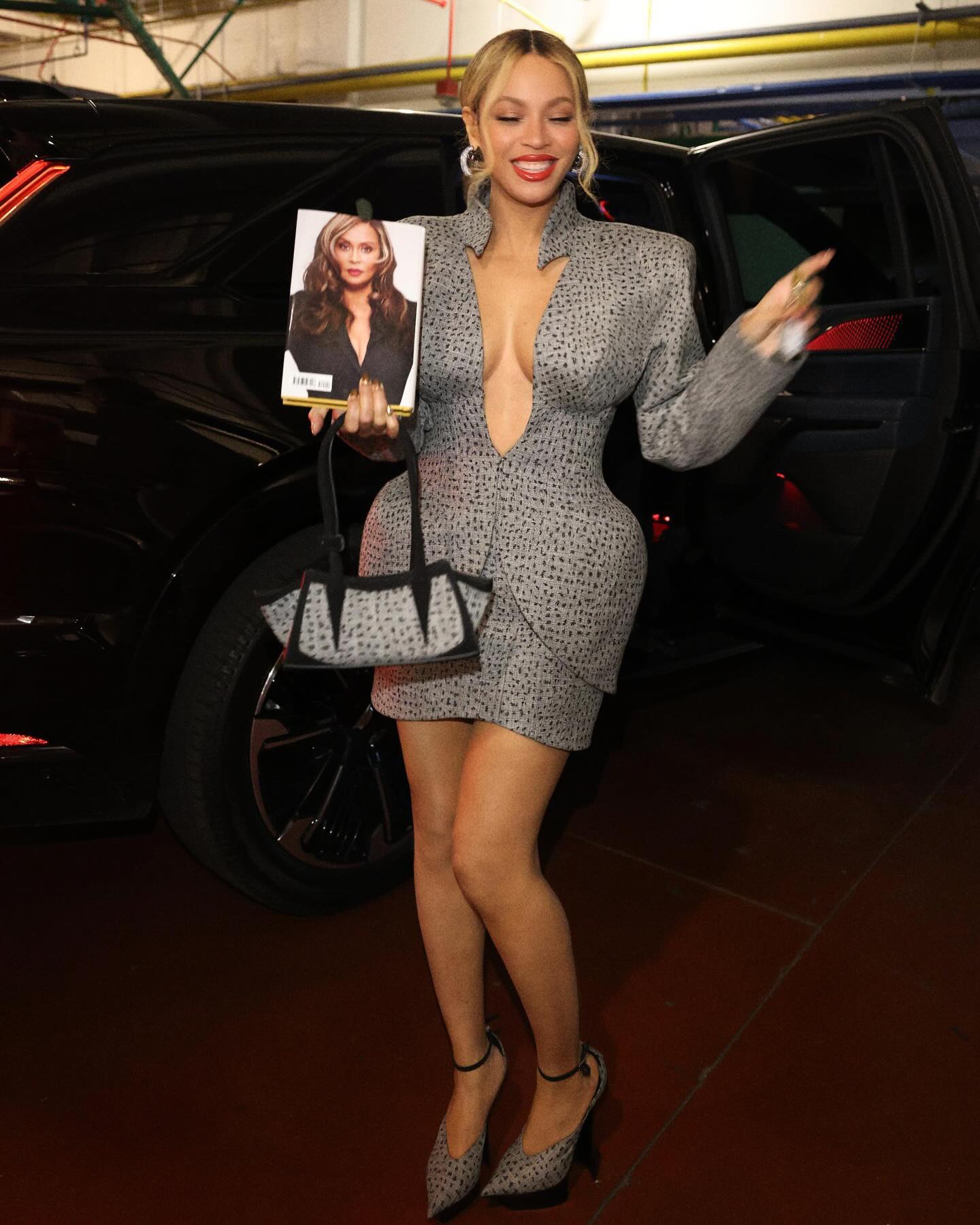
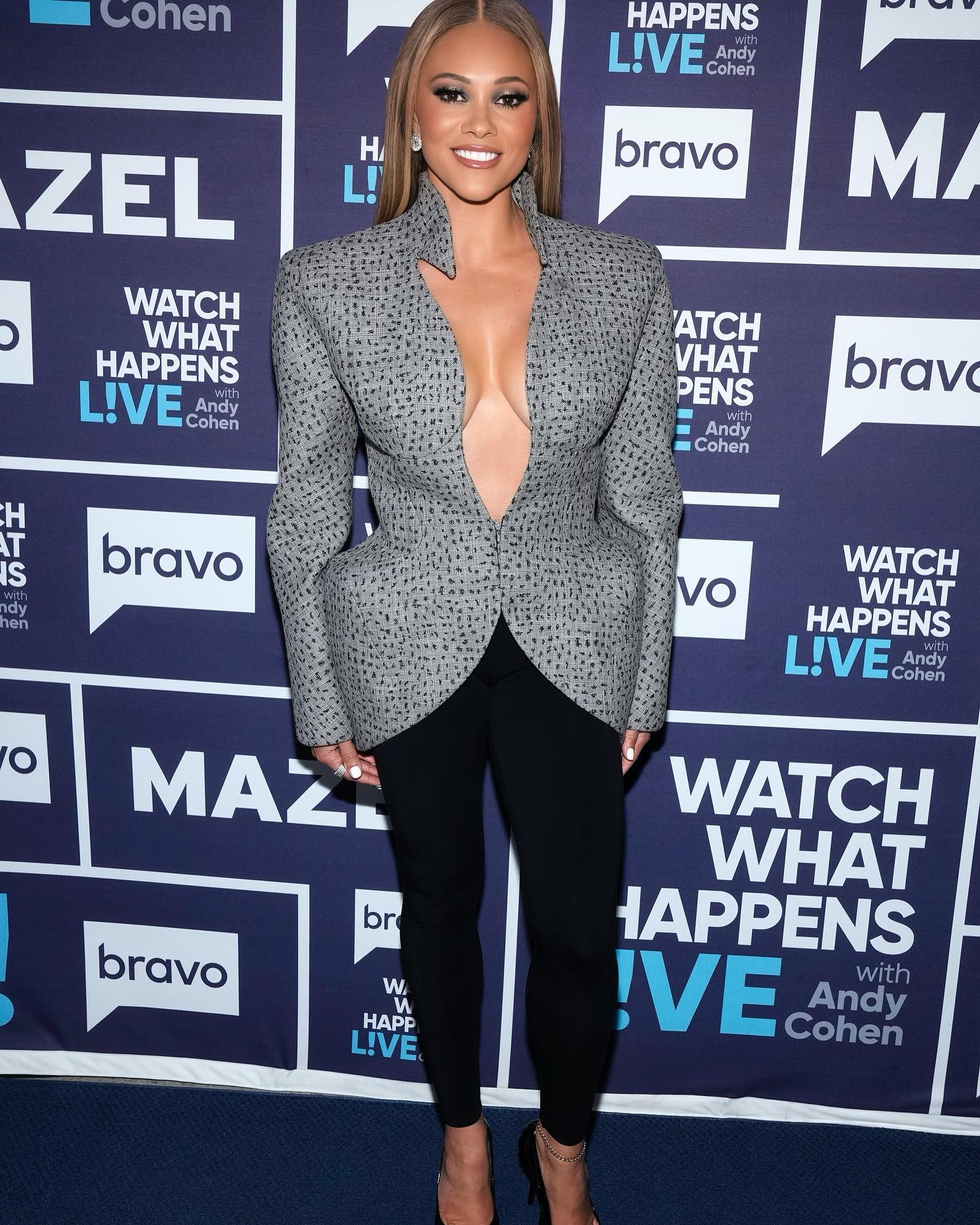
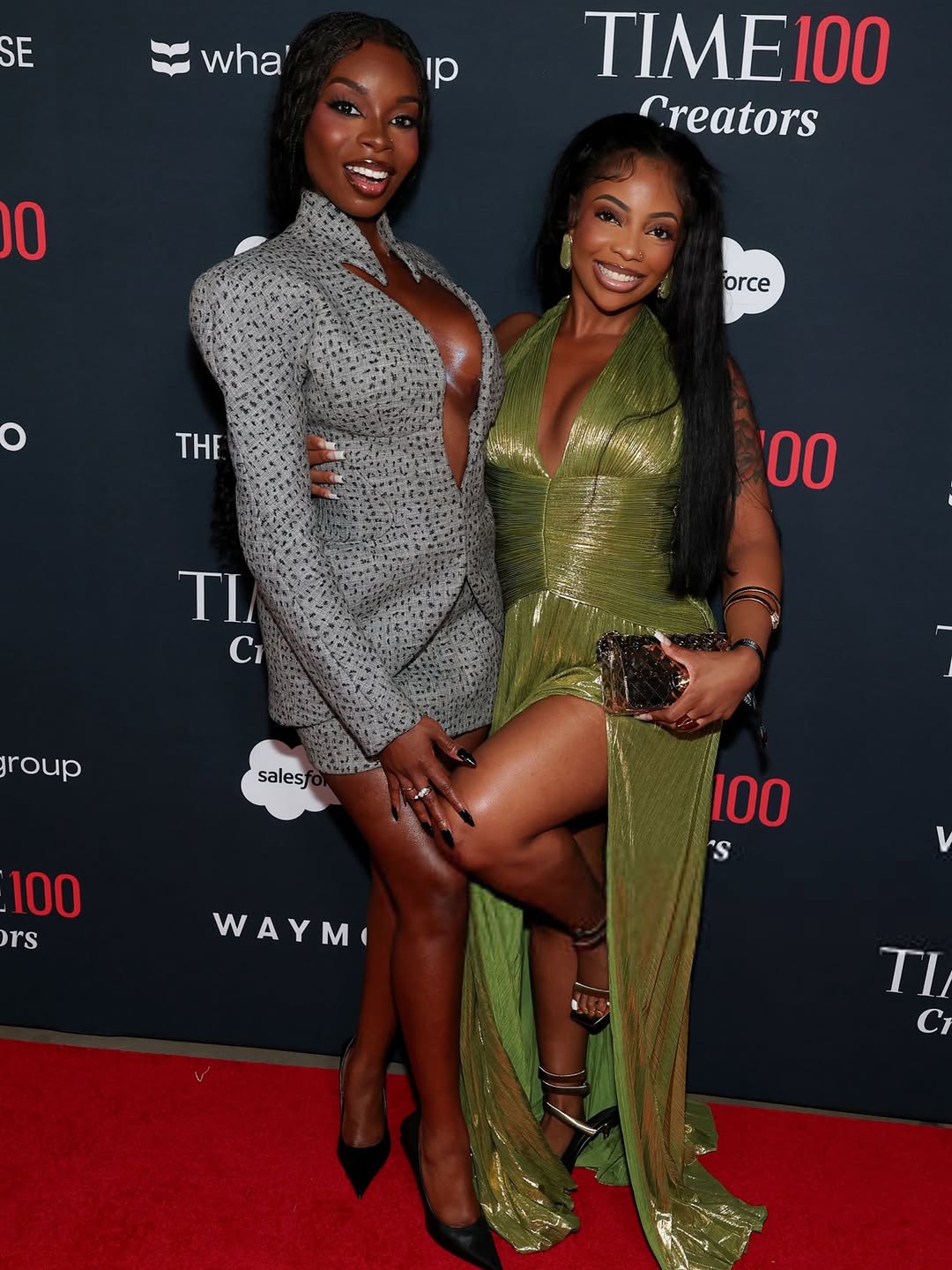
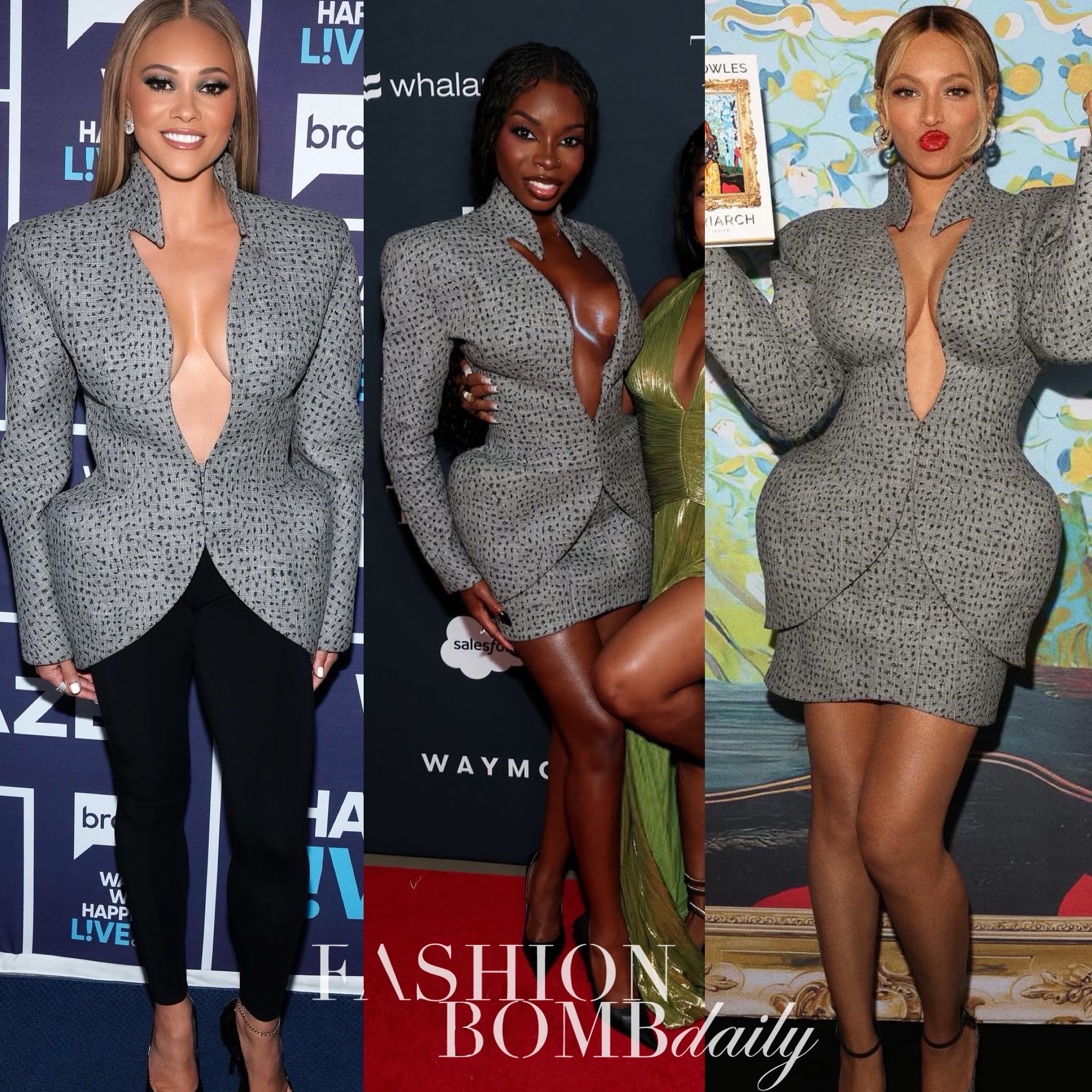
    Olandria made an appearance at last night’s Time 100 Creator’s event, wearing the same Spring 2025 Mugler blazer previously spied on both Beyonce and Ashley Darby.

    Who Wore It Better Olandria Vs Beyonce Vs Ashley Darby In Muglers Spring 2025 Blazer Image 1785498082 10

    Beyonce was the first to wear the full runway look, sporting the matching shoes and bag to support her mom’s LA book launch.

    Who Wore It Better Olandria Vs Beyonce Vs Ashley Darby In Muglers Spring 2025 Blazer Image 1785498385 2

    Ashley Darby wore the blazer in March 2025 to Bravo Watch What Happens Live, styling it with black pants and shoes.

    Who Wore It Better Olandria Vs Beyonce Vs Ashley Darby In Muglers Spring 2025 Blazer Image 1785498479 1

    Olandria wore it just last night, and grabbed a pic with fellow creator Dearra rocking black shoes.

    This One Who Wore It Better Olandria Vs Beyonce Vs Ashley Darby In Muglers Spring 2025 Blazer

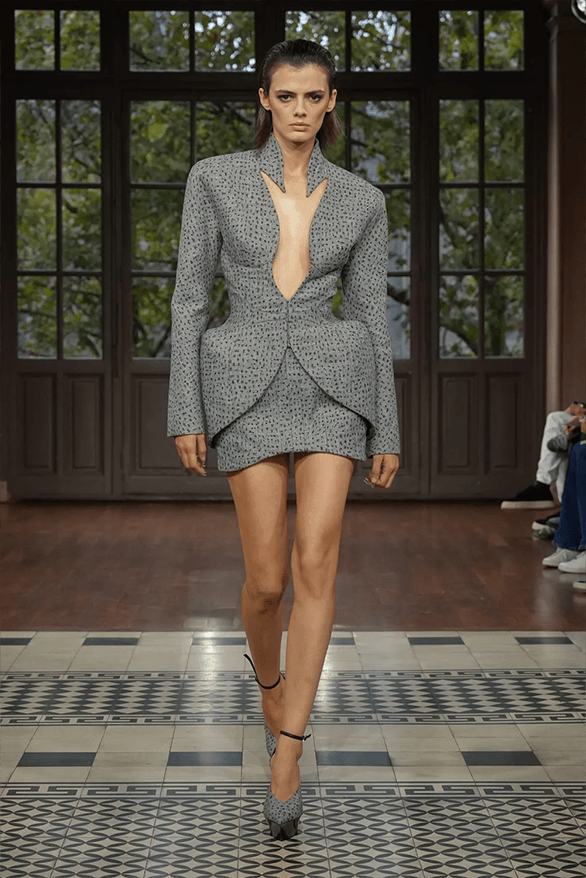
    On the runway, the look was presented as a matching two-piece: a structured, corseted jacket with a dramatic plunging neckline and exaggerated peaked lapels, paired with a fitted mini skirt in the same grey tweed. The silhouette leaned into Mugler’s signature body-conscious tailoring, with sharp shoulders and a nipped waist creating a dramatic hourglass shape.

    Who Wore It Better Olandria Vs Beyonce Vs Ashley Darby In Muglers Spring 2025 Blazer Final 24

    All look bomb, but Who Wore it Better?

    Let us know below.

    Confidence in Your Latex Bodysuit

    Latex clothing has always been associated with boldness, daring, and attention-grabbing. And among all the fashion-forward statement pieces in this category of fashion, the latex bodysuit symbolizes empowerment, confidence, and modern style. Whether you are gearing up to go out for the day/evening, participating in a photoshoot, or simply experimenting with fashion that allows you to feel powerful in your skin, everyone can benefit from wearing a latex bodysuit. And while there is no doubt that latex bodysuit uk feel like a complete transformation with ordinary clothing, a latex bodysuit is more than just clothing; a bodysuit is an attitude.

    The first thing people can visibly see about a latex bodysuit is its shiny, polished appearance. Latex hugs every curve in the body, creating a slick and polished figure that looks sculpted and striking. Rather than regular fabric that hangs or hides the body, latex enhances and exaggerates natural shape, providing a heightened awareness of your own body. This awareness is the first step to building confidence. When you see yourself in the mirror wearing latex, you will see strength in your outline, shine in the latex fabric, and attention you wouldn’t have thought to demand while wearing regular clothing. Latex is a reflection of the boldness you didn’t know you possessed until you put it on.

    Latex clothing is special in so many ways because it is juxtaposed between futurism and classic sensuality. The glossy surface has a modern, almost surreal aspect to it, and the cut of a well-made bodysuit can be timelessly elegant. This combination of ideas contributes to versatility when discussing latex clothing in ways that surprise many people. Certainly, a latex bodysuit can work in a nightlife situation, as well as in high-fashion editorials, avant-garde streetwear, or layered into a daily outfit for the more daring. This potential for multiple uses is what aids in the sustainability of latex fashion; it is not simply a niche, but an expanding, growing, and evolving medium.

    Confidence in wearing latex can be experienced in many ways. Confidence originates not solely from appearance, but also from bodily awareness. Latex has a supportiveness that is tight, which is seen by some, and a quality on the skin that others describe as a “second skin”. The fittedness of the bodysuit provides some garment-supported compression to the body that leads the person wearing the bodysuit to feel held and safe, almost as if the person is wearing couture armor. This alone can shift a person’s mindset towards empowerment. It’s transformative, just like when a person feels in their best fit in a custom suit, or that inner glamour when wearing a designer dress—latex bodysuits offer a different energy. The shine may be what people see, but beneath it all is just that—the feeling is strictly a personal experience; to me, the key message is fashion is not simply about looks, but feelings.

    There is an inaccurate stigma that latex clothing and bodysuits can be uncomfortable or a hassle. The fact is that latex fashion has survived and evolved nowadays in design and usability. Those bodysuits you are used to seeing are made with quality, functional, and flexible designs; seams have been finished and allow zippers to be integrated into designs, and also stretchy bodysuits, which have all upped the ante on comfort and movement without losing the desired sleekness that people are inclined to see. Once you learn what prep work is needed and how to use dressing aids like latex safe lubricants and powder when using a bodysuit (which is like any parachute material or slick surface), you will find smooth applications whenever donning a bodysuit without trepidation. Many people are surprised to find that after just a few minutes of layering up with latex clothing, it feels oddly normal. The initial discomfort cannot unshackle the imagination; the more you are in the garment and the more you care about what you’re wearing, the more confidence begins to build – this is the potential designed in quality latex fashions.

    The other consideration of confidence is care too. Caring for your piece of latex allows it to always look its best, in doing so, allowing you to feel yours, too. Polishing the surface when you experience that “signature” high gloss finalizes the ritual of suiting up; much akin to polishing a pair of loafers, or oxfords, before stepping out. Think of it as a small act of preparation, but one that sets the tone — this is clothing, but represents a statement that I / WE took time to think about. Additionally, proper storage and cleaning maintain the structural integrity and resilience of latex, and every time you wear your bodysuit, it should feel new again. Appreciate this durability, and further the sense of value around the latex that you are wearing; it eventually becomes a wardrobe investment rather than a one-time experiment.

    When it comes to styling a latex bodysuits, creativity comes to fruition. For nightlife, it’s an easy evening – pair your bodysuit with heels and let the bodysuit do the talking with minimal accessories. For edgier streetwear, pair it under an oversized jacket, or share your favorite pair of boots for a bold, but wearable contrast. In fashion photography, latex is applied with over-the-top makeup and contrasting textures to elongate its glossy finish – lace, leather, or denim provides structured detailing to the backdrop. The versatility of styling is what makes latex such an exciting fabric – it is so adaptable to who you are as a person. Fierce, playful, mysterious, gorgeous, etc.; if your outfit represents you and doesn’t hide you, it allows you to produce confidence.

    There is also a cultural trend at play here. Over the last twenty years or so, latex clothing has moved from the underground subcultures to the mainstream. Latex bodysuits are in high fashion with a variety of recognisable designers from the established houses of fashion to independent designers, that foreshadow other collections like ASOS, and even to celebrities wearing them on the red carpet, through to musicians incorporating them into their stage costumes, and in fashion challenges on various platforms. This abundance of different high-profile representations of latex clothing provides another facet to the fabric that overcomes previous associations and stereotypes. This can certainly lead someone who has a curiosity about wearing a bodysuit to feel like they can belong. Confidence breeds confidence. The more you see someone display confidence wearing the material, the more likely you are to do so too.

    Finally, from a psychological performative position, confidence in latex can also be a means of accessing a role. When someone puts on a bodysuit, it is not just an outfit; it is taking on a persona. Some people say they feel like a superhero, others feel like a movie star, and some people feel like the best version of themselves. There is a shift in thinking that occurs here, and it should not be ignored. Clothing, in a social construct, has always been a part of human identity, and latex adds another layer for engagement due to its inherent visual density and body-accentuating finish. Once you have made that transition, the posture is often built into all aspects of life – standing a bit taller, speaking a bit more clearly, and feeling a bit more like yourself.

    For those who are new to latex, it can also be about the right piece. A fitted bodysuit is best to dip your toe into because it has more structure and yet is simple. Consider starting with a classic color like black or red, as they are easily styled and have a classic look. After that, you can delve into more extravagant, bolder designs, bright colors, or custom pieces that show off your personality. Remember, confidence does not mean that you are trying to shock people in your style – it is discovering the style that makes you most powerful. When you feel comfortable, strong, and true to yourself in what you are wearing, confidence will follow.

    Latex clothing (which essentially means, to us, bodysuits) also relies on stark contrast; they have a juxtaposition of bold and elegant, futuristic and classic, structural and flexible. That balance keeps them intriguing forever in fashion. Establishing a sense of confidence in your latex bodysuit is not about someone else’s daring style – yet discovering your own. When you truly try to take on the feelings that you experiment with in a bodysuit, it is not about standing out as bizarre, but standing out with meaning. Undoubtedly, the shine may get you some attention, but the power is in the gaze you carry in yourself.

    Ultimately, when you wear a latex bodysuit, you are celebrating yourself. You are saying yes to boldness, yes to style, and yes to confidence coming from inside. Fashion trends may be very fluid, but confidence is forever. Whether you wear latex for a specific event, part of personal expression, or just to experience a new facet of fashion, the experience will leave you feeling a bit more grounded, strong, and present. And this is the true beauty of latex clothing – it does not just change how you look, it changes the way you feel.