
Finding the best elevator shoes on the market means looking past marketing claims about extra inches and focusing on what actually makes a pair worth wearing: comfort, craftsmanship, natural appearance, and how well the shoe holds up over months of regular use. With so many brands now competing in this space, it helps to know what separates a genuinely well-made pair from one that will leave your feet aching by lunchtime.
This guide covers what to look for when shopping for elevator shoes, the categories worth considering, and the features that consistently show up in the best-reviewed pairs.
What Makes an Elevator Shoe “The Best”
Not every elevator shoe on the market is built with the same care. The best pairs share a handful of common traits, and understanding them makes comparison shopping far easier.
First is the height mechanism itself. Cheaper shoes often use a single rigid insert that adds height but sacrifices comfort, since a hard block under the heel and arch does not flex naturally with the foot. Better shoes layer multiple materials, combining foam cushioning with a firmer structural base, so the added height still allows for a natural walking motion.
Second is the ramp angle, meaning how gradually the shoe transitions from heel to toe. A steep, abrupt ramp forces the foot into an unnatural position and can cause strain in the calves and lower back after just a few hours of wear. The best designs spread that height increase gradually across the length of the shoe.
Third is material quality. Genuine leather uppers, properly stitched soles, and quality linings all contribute to a shoe that both looks good and lasts. Synthetic materials might lower the price, but they typically wear out faster and rarely mold to the foot the way leather does.
Top Categories Worth Considering
Classic dress shoes remain the gold standard for elevator footwear, since oxfords and derbies naturally accommodate a slightly raised sole without looking out of place. Whenever a suit is involved, whether for the office or a black-tie evening, this is the category most men reach for first.
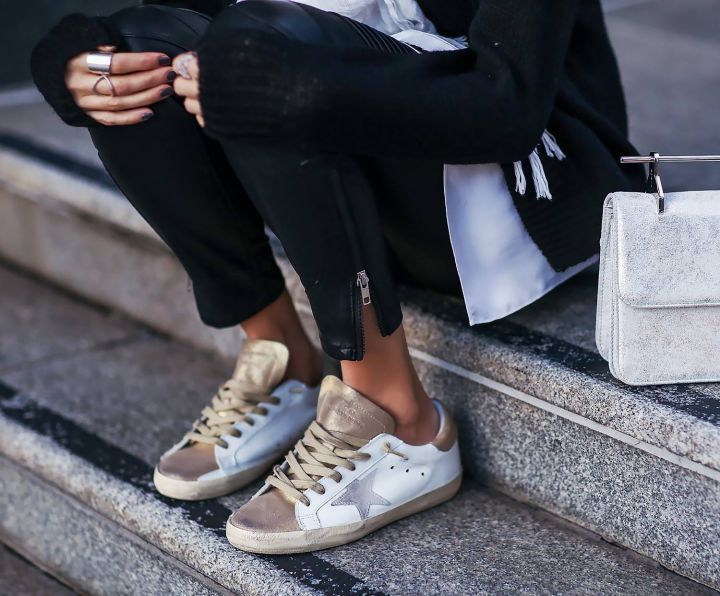
Elevator sneakers have grown into one of the most requested categories in recent years. Chunky-soled trainers already carry a thicker profile as part of current style trends, which makes hiding a height boost inside them easier than ever. This category works particularly well for men who spend most of their week in casual or business-casual environments.
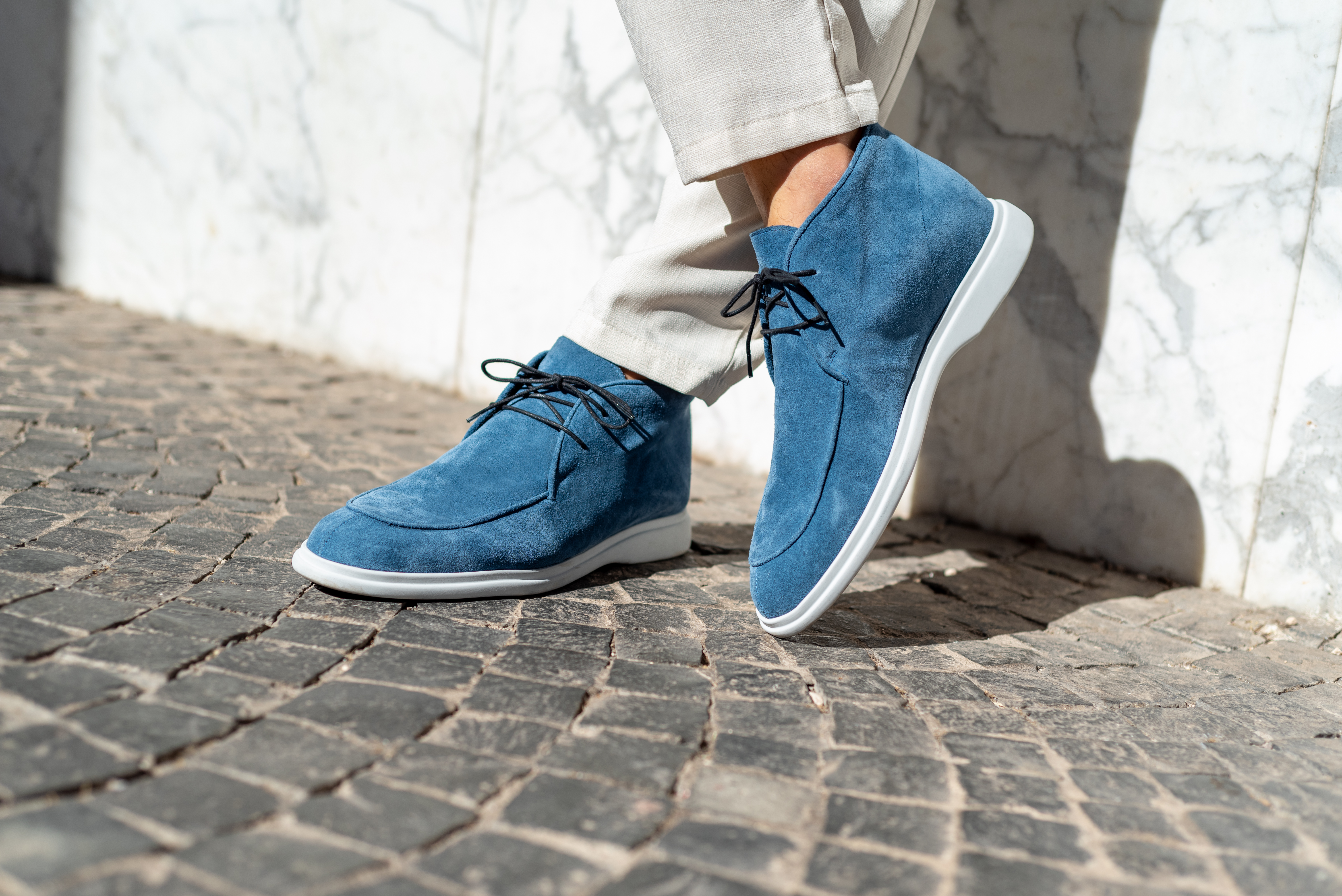
Boots offer some of the best options for height enhancement because the additional shaft height and existing heel structure of a boot give designers more room to work with. Chelsea boots and chukka boots in particular tend to hide internal lifts exceptionally well.
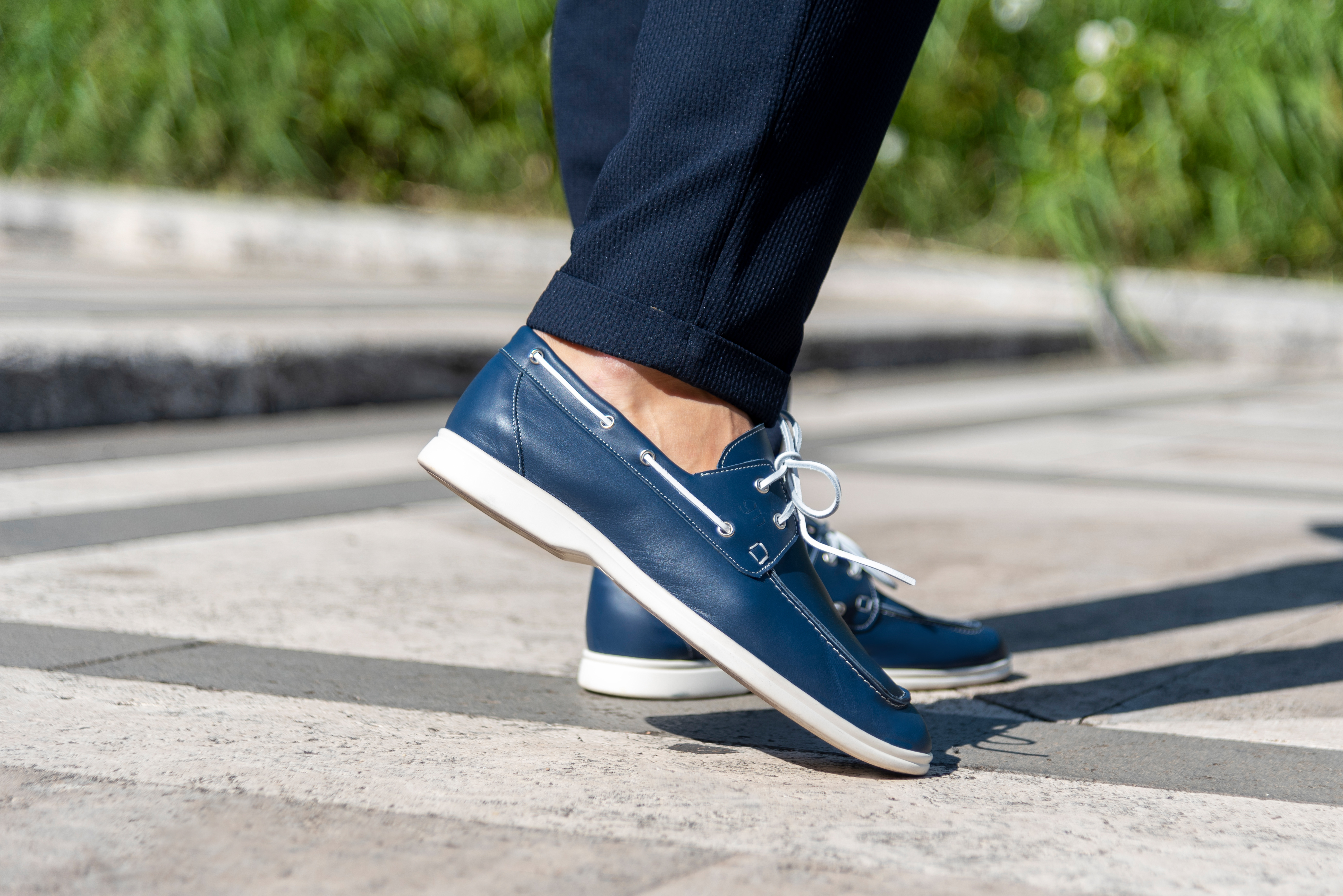
Loafers fill the gap for men whose wardrobe sits somewhere between a suit and jeans. A well-made elevator loafer looks completely ordinary while adding noticeable height, making it a versatile option for smart-casual dress codes.
Brands Known for Quality Craftsmanship
When narrowing down the best options, brand reputation and manufacturing background carry real weight, since the internal engineering required for a comfortable elevator shoe is more complex than standard shoemaking. GuidoMaggi has built a strong name in this space through handcrafted Italian construction, with each pair built specifically around the demands of a hidden lift rather than adapted from an existing non-elevator shoe design.
Italian craftsmanship in general has a long history of producing well-regarded elevator shoes, largely because traditional shoemaking techniques translate well to the more complex internal structures these shoes require. Brands rooted in that tradition tend to place heavy emphasis on hand-finished leather work, properly cushioned insoles, and a natural-looking silhouette that gives no visual hint of the internal lift.
Key Features to Compare When Shopping
Shopping for the best elevator shoes comes down to comparing a handful of specific features across brands and models.
Height range: Most quality brands offer multiple height options, typically starting around 2 centimeters and going up to 10 centimeters or more for the most dramatic styles. Choosing a height that feels natural for your frame, rather than maximizing the boost, generally produces a more comfortable and confident result.
Removable insoles: Some of the better designs allow the internal lift to be adjusted or swapped out, giving one pair of shoes multiple height settings depending on the occasion.
Breathability: Because elevator shoes pack more internal structure than standard footwear, proper ventilation becomes more important. Linings that let air pass through, paired with a well-finished upper, keep feet drier and cooler across a full day on your feet.
Weight: A well-balanced elevator shoe should not feel significantly heavier than a standard shoe of similar style. Overly heavy construction is often a sign of low-quality filler materials used to bulk out the sole.
Sizing accuracy: Since the internal structure changes how a shoe fits compared to a standard pair, brands with clear sizing guides and responsive customer service make a real difference in getting the right fit on the first try.
Common Mistakes to Avoid
Many first-time buyers make the mistake of choosing the tallest available option without considering comfort or how the height will look with their existing wardrobe. A dramatic height increase can also throw off a person’s natural gait if they are not used to the added elevation, so easing into a smaller lift before moving up to a larger one is generally the smarter approach.
Some buyers also let sticker price outweigh how the shoe is actually built. A cheaply made elevator shoe might save money upfront but often needs replacing within a year, while a well-constructed pair from a specialist brand can last for years with proper care.
Ignoring return policies is another pitfall. Because fit varies more significantly between elevator shoe brands than with standard shoes, buying from a company with a clear and fair return policy protects against a costly mistake.
The best elevator shoes for men combine thoughtful engineering, quality materials, and a completely natural outward appearance, giving wearers extra height without sacrificing comfort or style. Brands built specifically around this category, such as GuidoMaggi, tend to outperform generic shoes with an inserted lift, largely because the entire shoe is designed from the ground up with the height mechanism in mind rather than treating it as an afterthought. Taking the time to compare ramp angle, material quality, and sizing accuracy before buying will make the difference between a pair of shoes that feels like a clever upgrade and one that feels like a daily compromise.