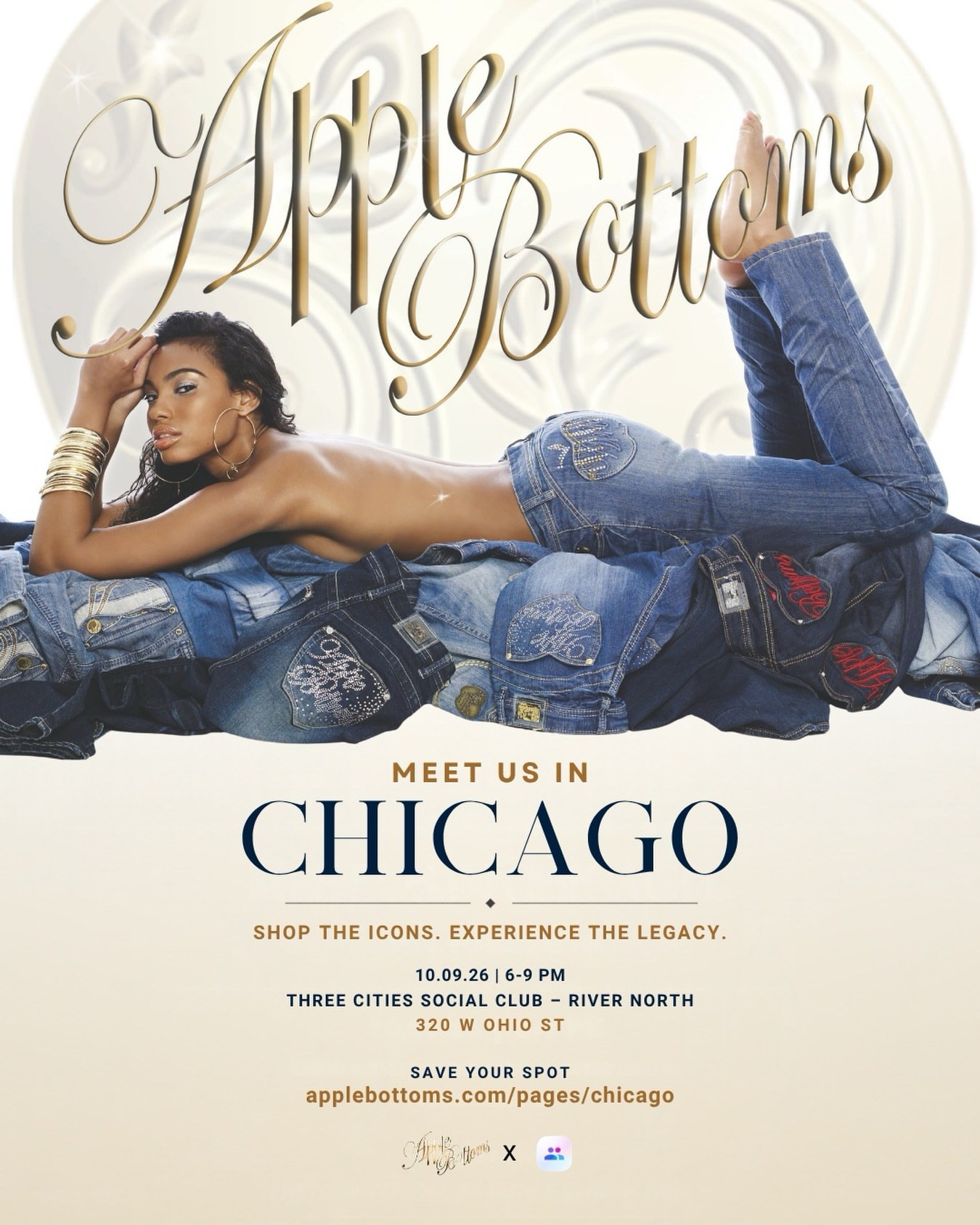
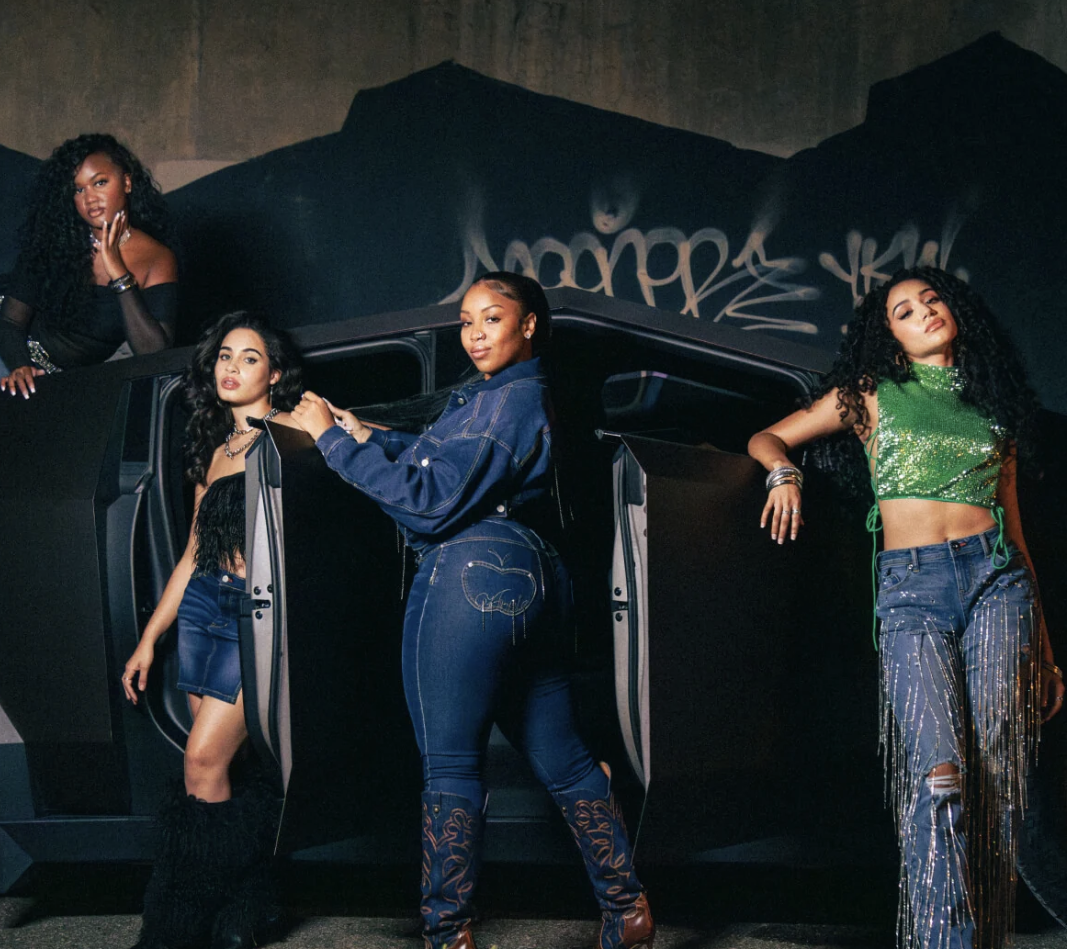
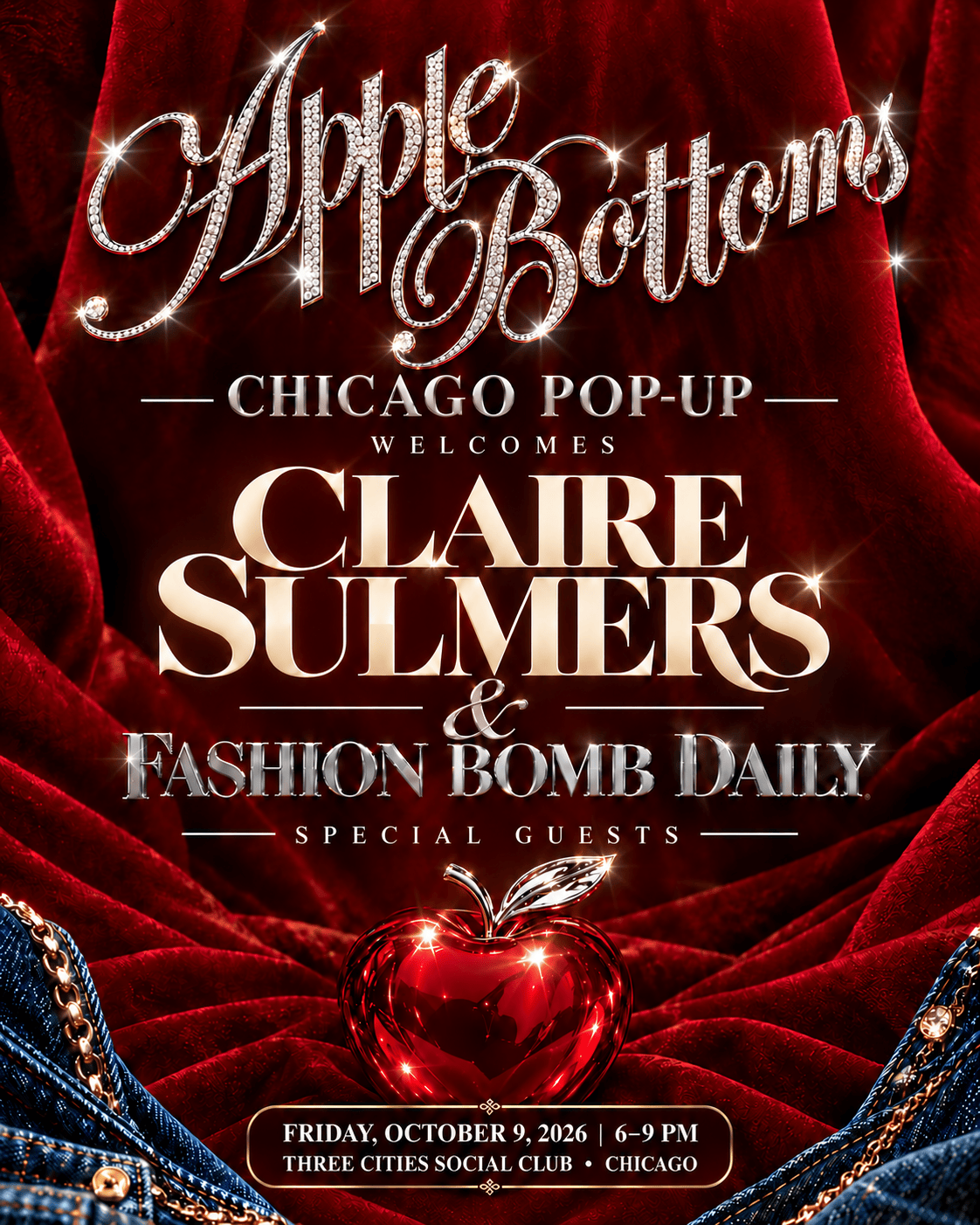
Fashion Bomb Daily is heading to Chicago for the Apple Bottoms pop-up on Friday, October 9, at Three Cities Social Club in River North. The evening will feature exclusive Apple Bottoms pieces, giveaways, a live DJ, and a few surprises. Fashion Bomb Daily Founder and CEO Claire Sulmers will attend as a special guest.
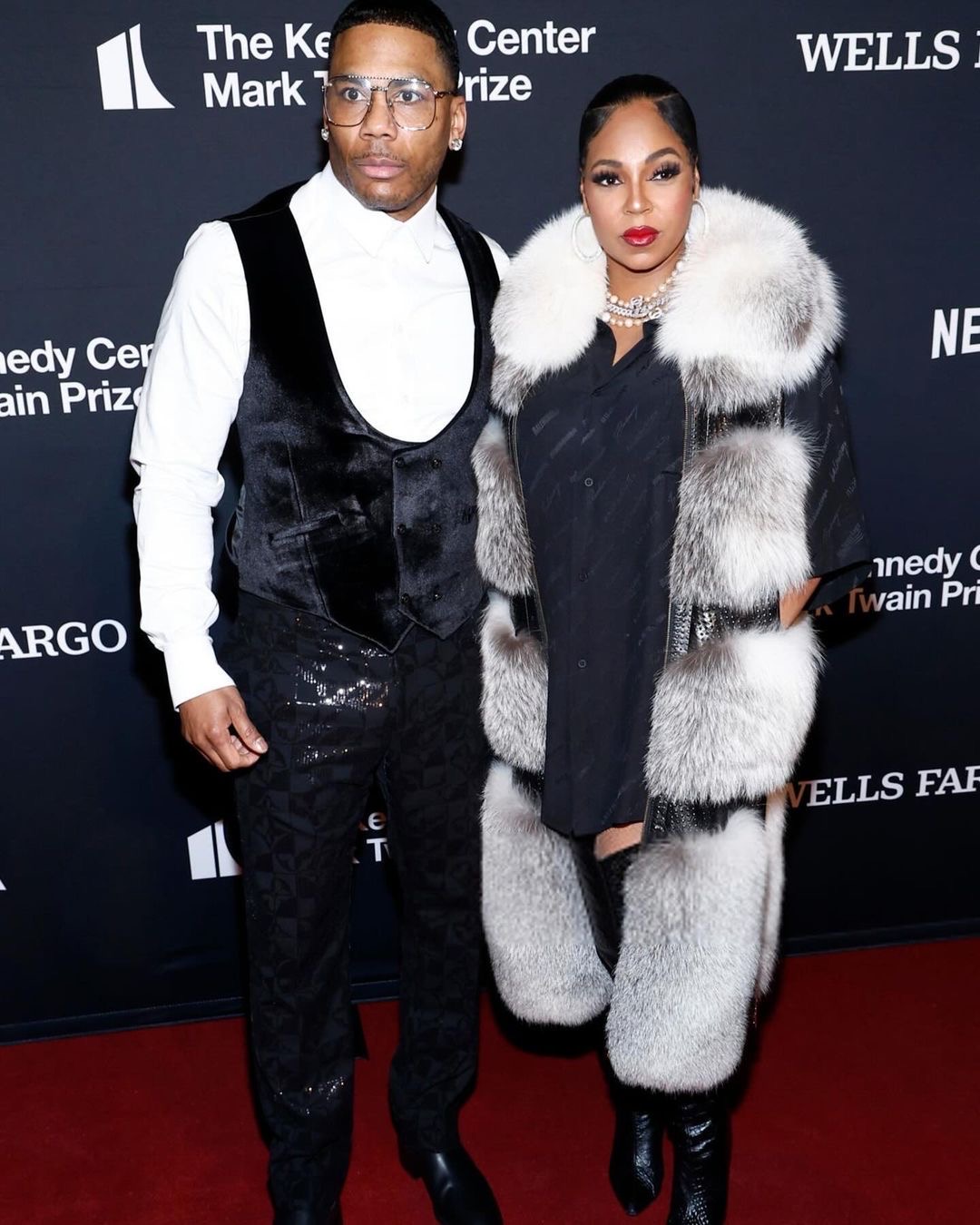
Apple Bottoms has been part of the fashion conversation for more than two decades. The brand was launched in 2003 by Nelly, Yomi Martin, Nick Loftis, and Ian Kelly, beginning as a denim label before expanding into other women’s and girls’ clothing, perfume, and accessories. Before Apple Bottoms, Nelly first stepped into fashion with menswear, later pivoting to womenswear after recognizing, through his sister, how difficult it was for curvy women to find jeans that fit.
That insight made Apple Bottoms a pioneer. The brand began making form-fitting denim for women with curves that wouldn’t fit into the average pair of jeans, at a time when America hadn’t fully embraced terms like body positivity. The label’s guiding philosophy, in Nelly’s words, was that women should not try to fit the clothes, the clothes should fit the women.
Photo Credit: Getty Images
Behind the brand’s early rise was Nelly’s longtime publicist, Juliette Harris. She was on hand for the initial brand launch, and Oprah recommended Apple Bottoms to her audience on the 2004 edition of “Oprah’s Favorite Things.” The brand soon became a fixture in hip-hop culture, referenced in songs including Twista’s “Overnight Celebrity,” Flo Rida’s “Low,” and Eminem’s “Shake That.”
After its final collection dropped in 2010, Apple Bottoms returned with a relaunch. Nelly said at the time that the brand’s goal remained the same: celebrating all women, all shapes and sizes. Now on its second collection since the relaunch, Apple Bottoms is moving in a more elevated, couture direction, while staying true to the curve-celebrating fit that made it iconic.
Space is limited, so be sure to save your spot and join Fashion Bomb Daily and Apple Bottoms in River North.
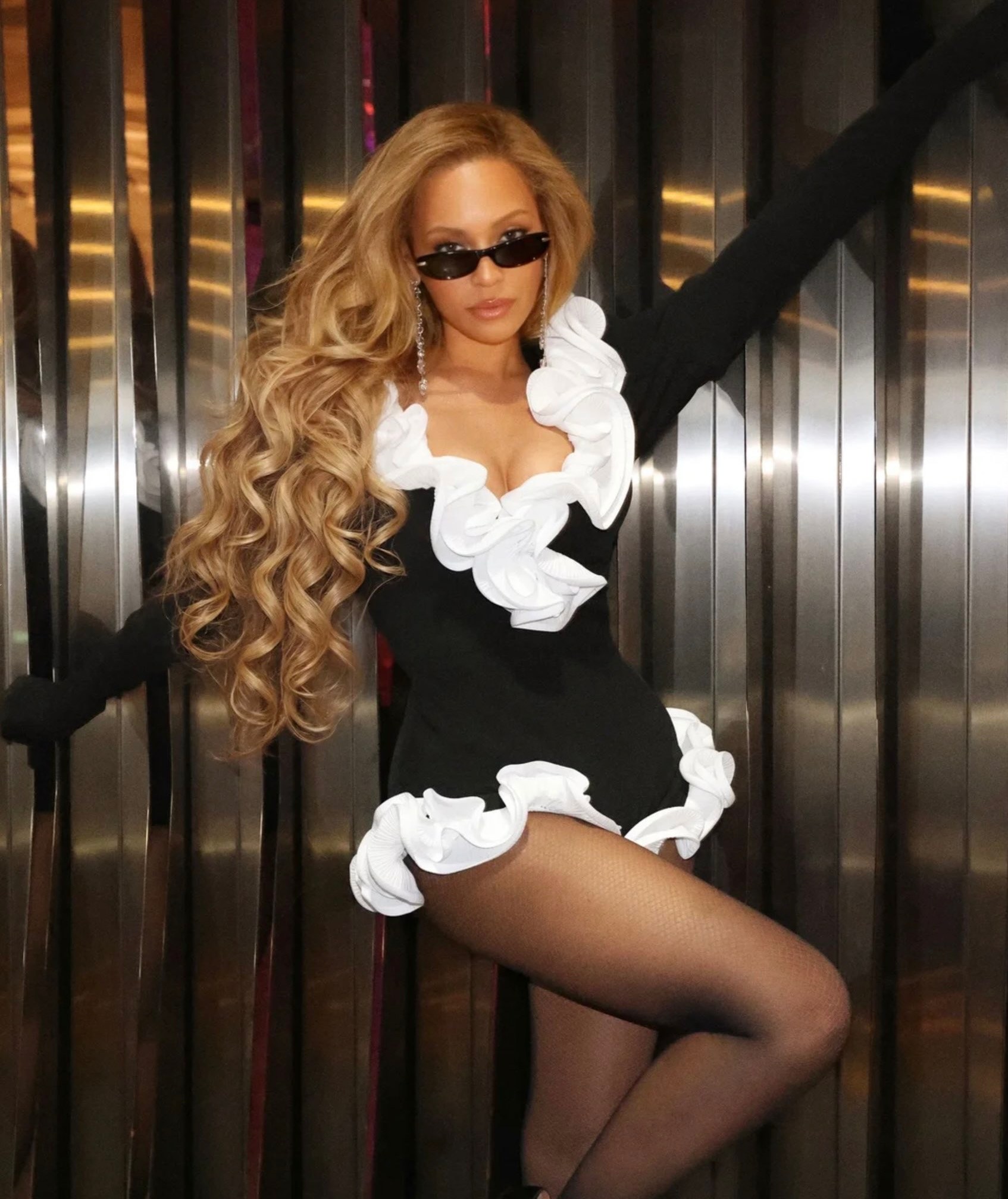
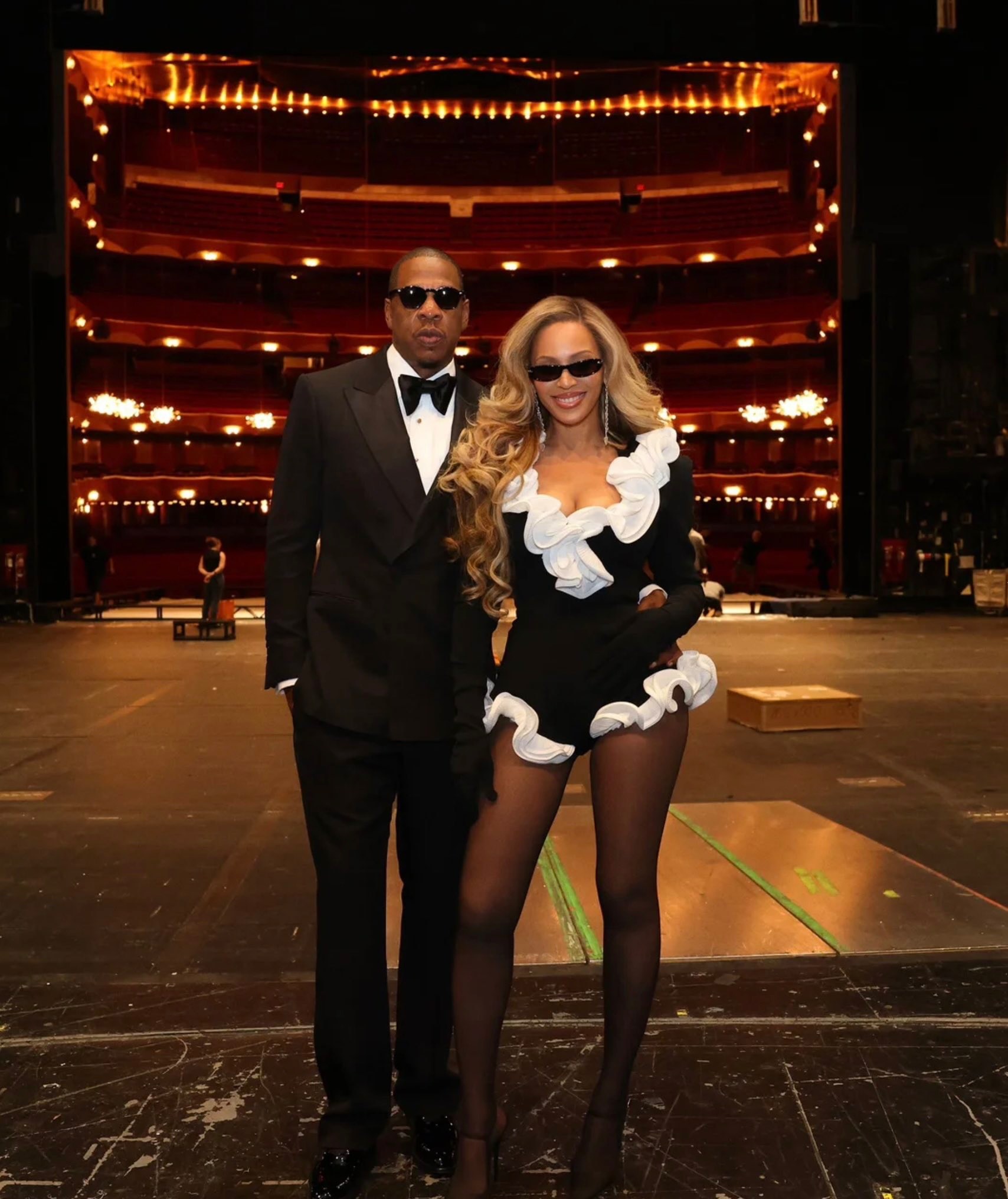
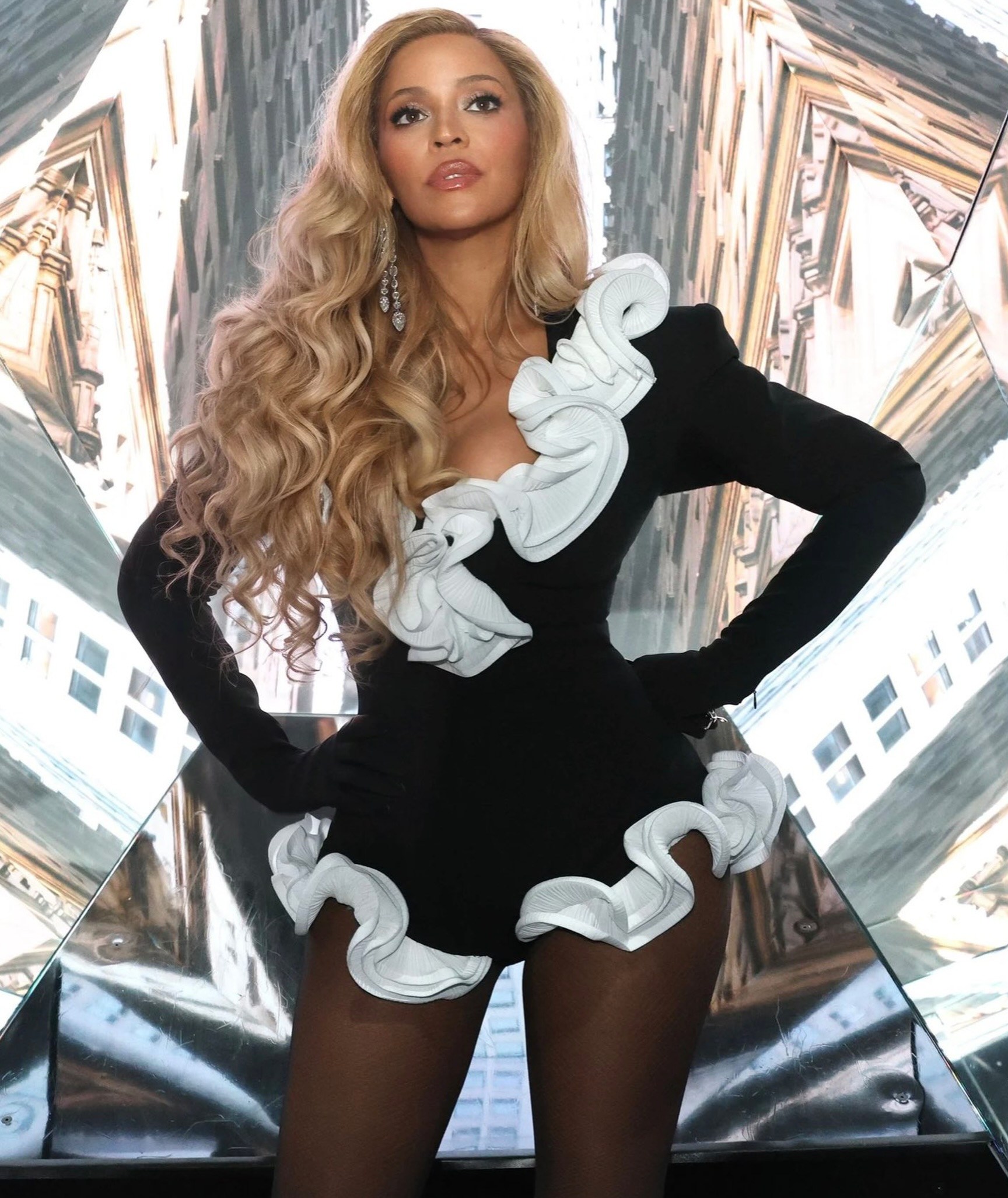
Beyoncé stepped out in New York City for the premiere of “Jaÿ-Z in 8,” wearing a custom Rowen Rose look.
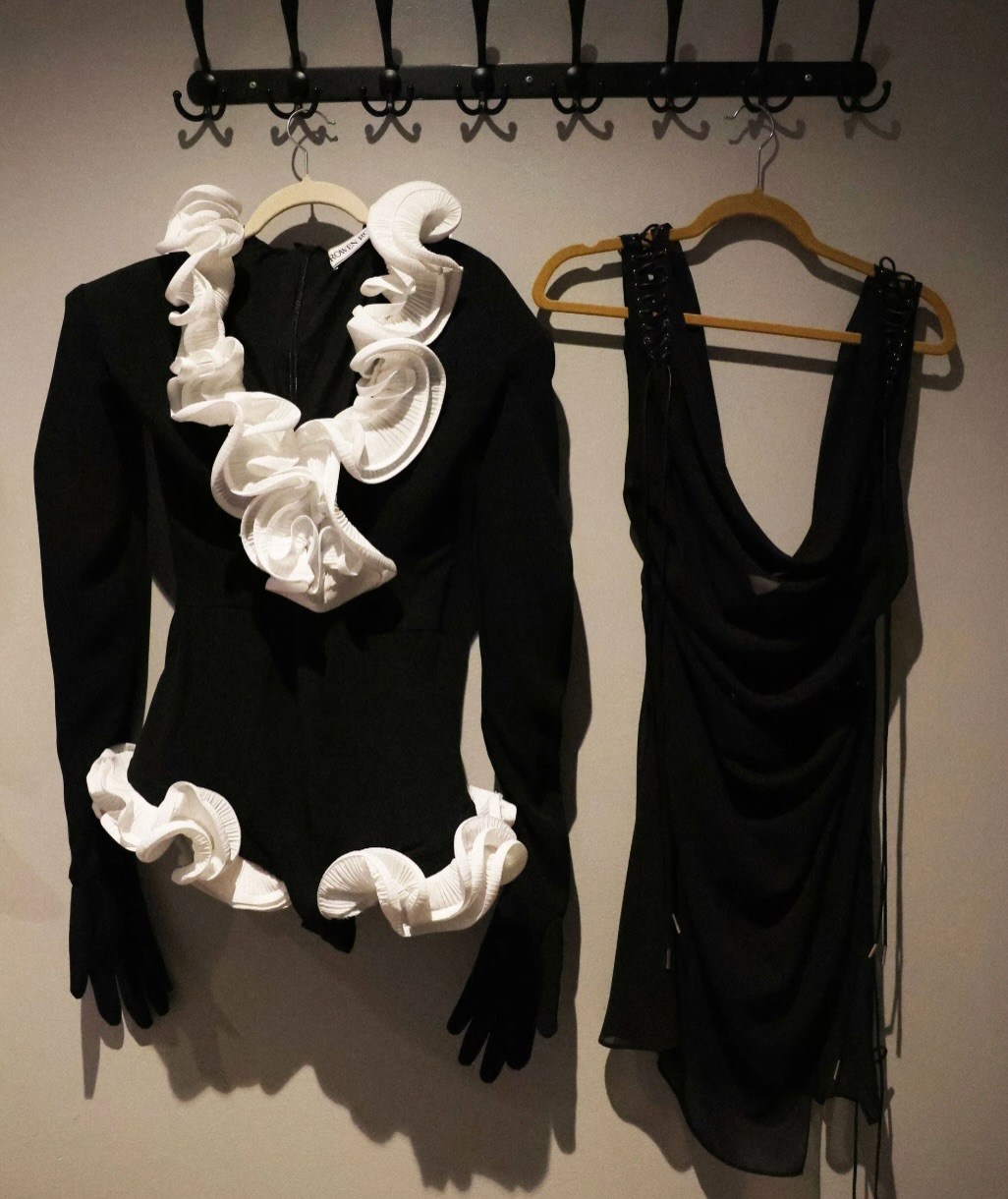
The black long-sleeve mini silhouette featured a plunging neckline framed in sculptural white ruffles, with matching ruffle trim along the hem.
She paired the look with Daccori platforms, sheer black tights, black opera gloves, crystal drop earrings, and slim black sunglasses. Her honey-blonde hair was styled in voluminous, cascading curls. The look was styled by her longtime stylist Ty Hunter.
Jay-Z joined Beyoncé for the evening in a black double-breasted tuxedo with peak lapels, a crisp white shirt, a black silk bow tie, and dark sunglasses, completing the couple’s coordinated black and white palette.
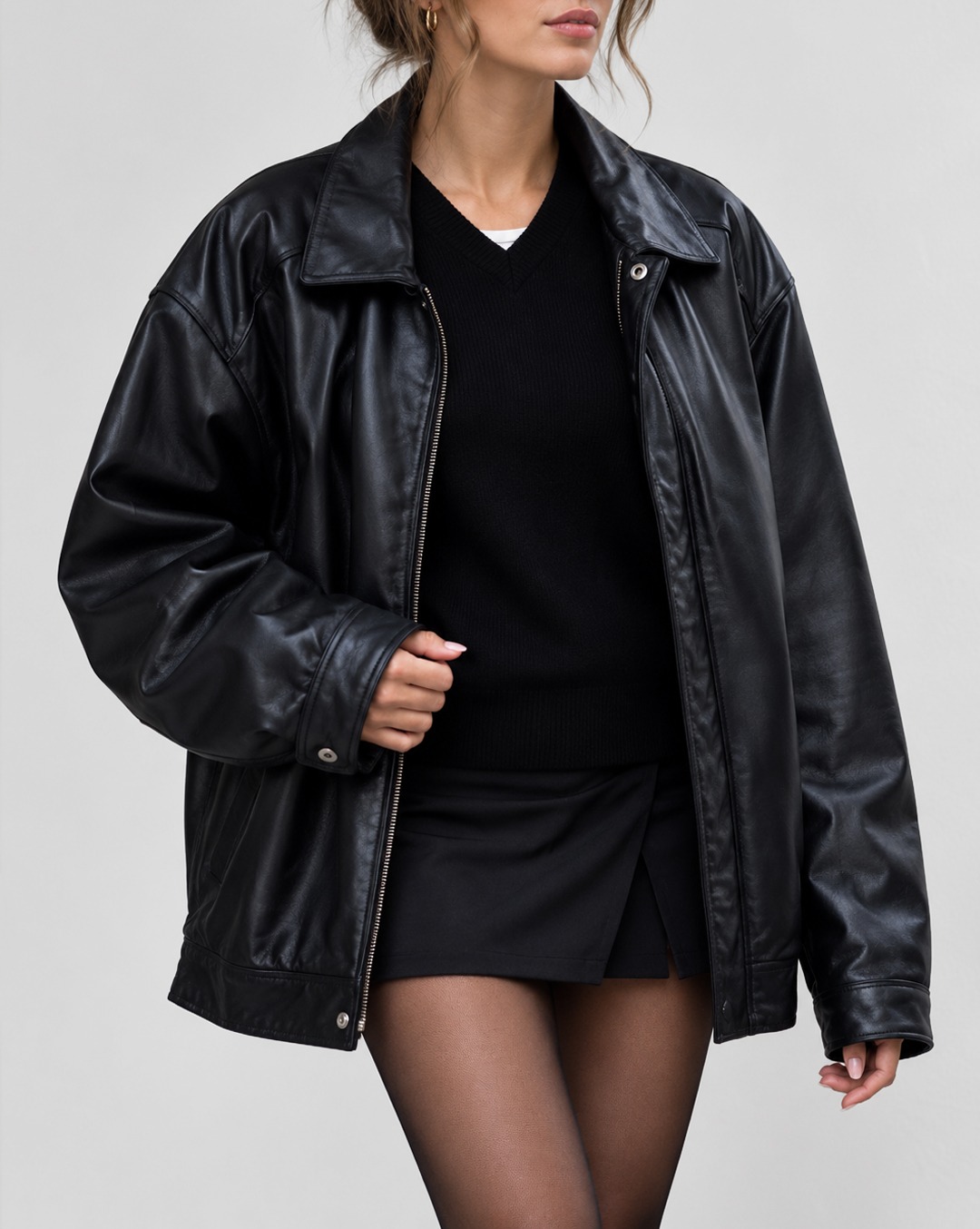
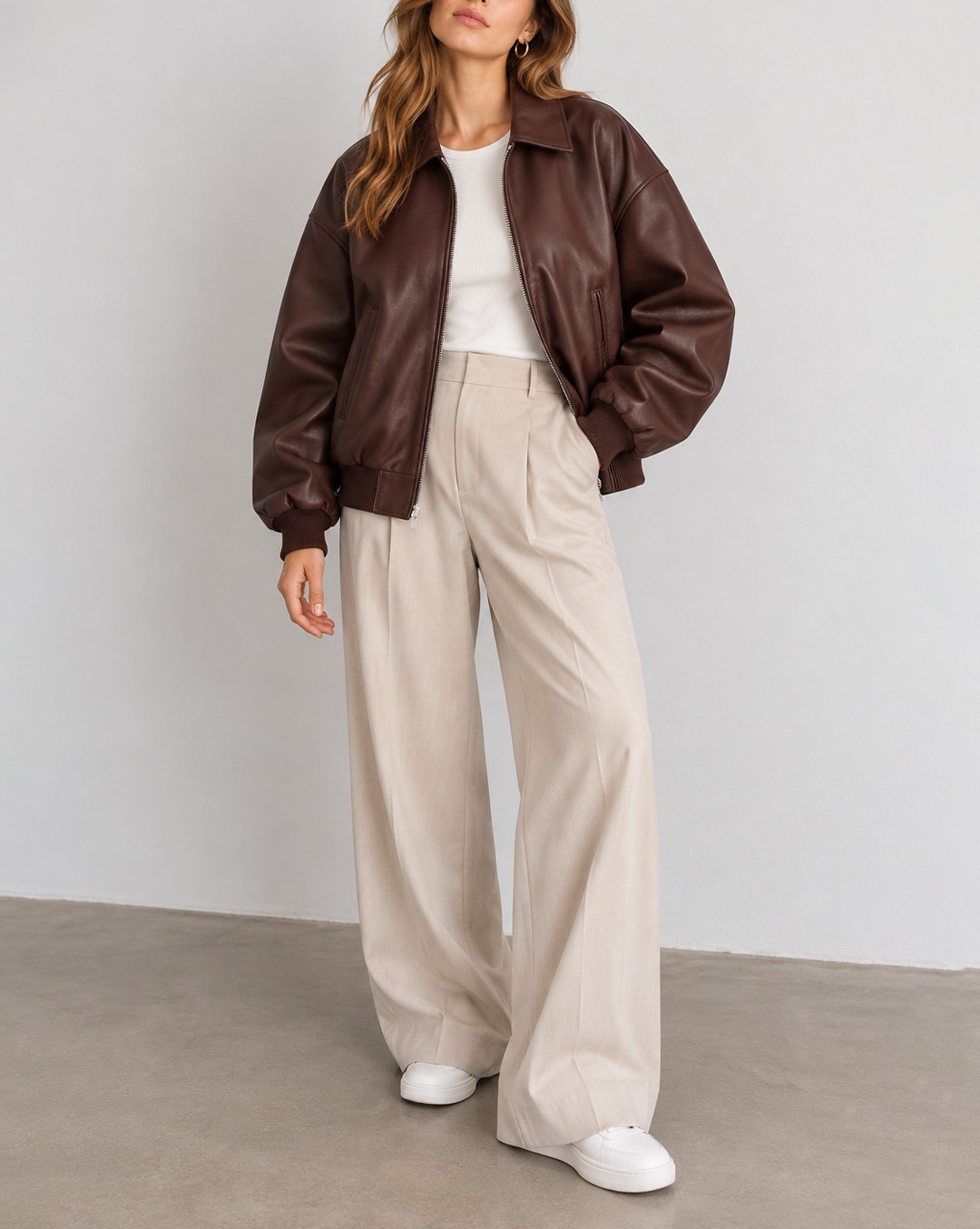
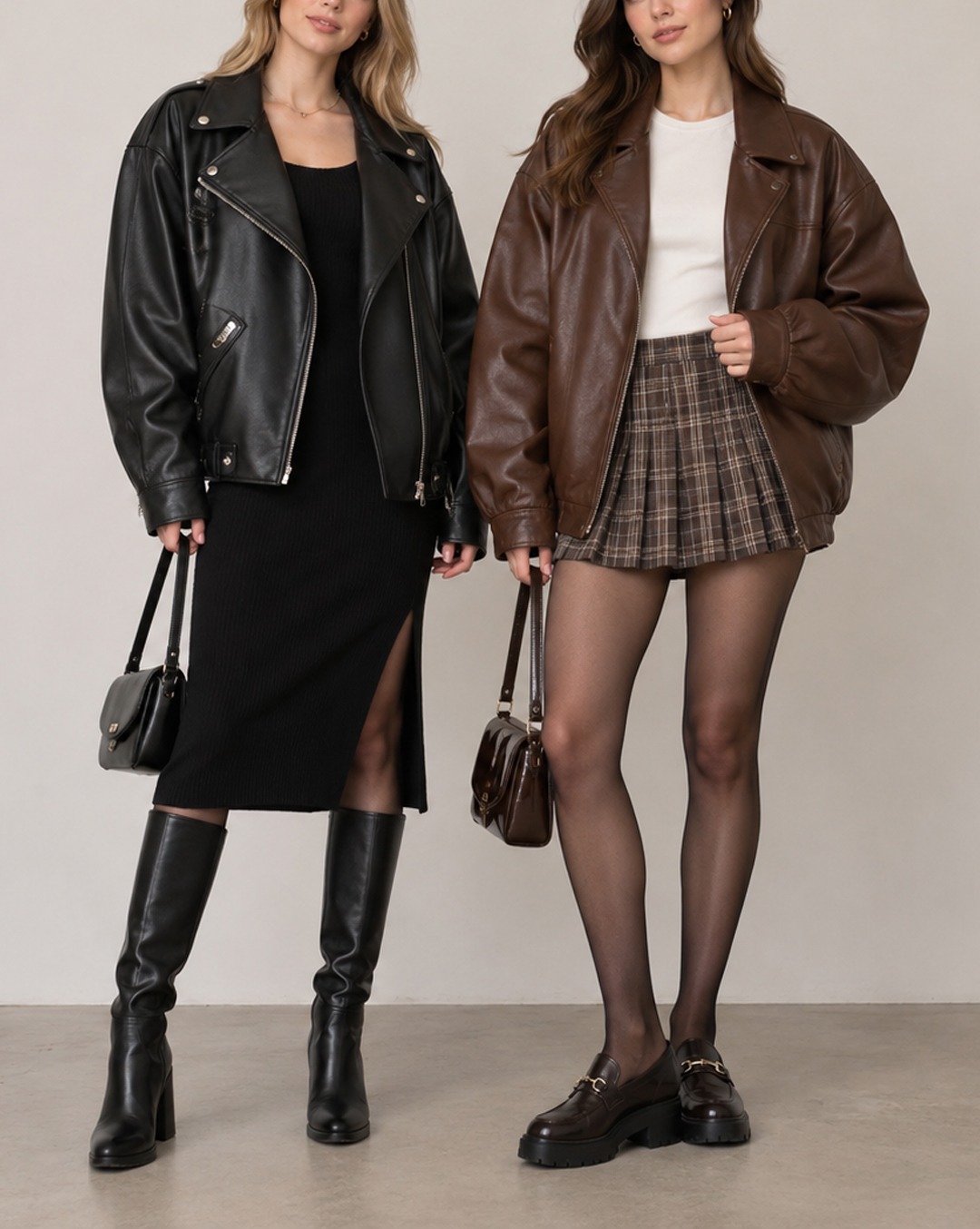
There was a time when jackets were all about the close fit. But a recent shift in fashion has changed that. The oversized leather jacket has come back into the game. Its longer sleeves and looser shape offer enough room to wear layers underneath. That makes it feel less restrictive and much easier to throw on.
And it’s not just because bigger jackets are trending. It’s because relaxed outerwear works well with pieces that don’t always fit comfortably under fitted jackets. You know those hoodies, chunky knits, and flowing dresses? Yes, that.
That extra room is what makes the style worth bringing back into your wardrobe.
No, Oversized Does Not Mean Uncomfortably Big
There’s a huge difference between an oversized jacket and one that simply doesn’t fit.
A stylishly oversized jacket is cut wide on purpose. You will find dropped shoulders, longer sleeves, and a roomier body. Everything is intentional. However, the collar, pockets, cuffs, and front closure should still sit where they should.
So the notion about getting two sizes bigger is not the answer. Because a fitted jacket in a larger size will have awkward shoulder lines and sleeves hanging below the wrist. At the same time, a true oversized style gives you the generous shape without making the jacket look accidental.
Before Buying Your First Layer
A jacket bought without giving it any actual thought will only end up under a pile of clothes. So the simplest way to choose the right oversized jacket is to think about what you will wear with it.
Ladies with a wardrobe full of lightweight tops don’t really need a very roomy design unless they love the idea or want to experience it. However, if the wardrobe has chunky sweaters and hoodies, some extra space through the chest and arms is worth a shot.
The benefit you enjoy is freedom of movement. You will easily be able to reach forward, raise your arms, and sit down without the leather pulling across your back.
That small detail makes a big difference when the jacket is worn all day.
The Length Matters Too
What happens with big jackets is that width gets all the attention. But surprisingly, length matters too.
For example, a cropped boxy jacket pairs magically with skirts, dresses, and even wide-leg trousers because it lets most of the outfit be visible. On the contrary, a longer cut gives more coverage and can work beautifully with slimmer trousers.
Petite women need to be careful with this balance. A jacket that’s long and wide can overwhelm a smaller frame. A roomier style that finishes above or just around the hip can give you the oversized look that turns heads.
Ladies with a tall frame tend to carry longer shapes easily, but there’s still one rule: if the jacket is long and wide, keep the other layers simple. This keeps the outfit from looking too bulky.
Watch the Sleeves, Too
Bulky jackets come with long sleeves, but there’s a limit.
A little extra length with the cuffs sitting around the wrist is fine. But too much of that becomes annoying when you are carrying a bag, using your phone, or trying to enjoy your coffee moment.
The width of the sleeves matters too. They should be wide enough to fit a sweater underneath without feeling tight, but not so wide that they hang loosely and make the jacket look shapeless.
Goes Beyond Jeans
Jeans and a leather jacket are a classic combo and come to mind the second you think of it. However, when you have the spacious jacket, you get to have more options to play with.
For a simple everyday look, the jacket pairs well with straight-leg jeans, a fitted knit, and trainers for a neat look. But on a cold day, a thick sweater works great with it. If you’re wearing a bulky bomber jacket with a crisp button-down, it makes the look sharper. Meanwhile, a hoodie works for a laid-back vibe.
Dresses work amazingly too because they make a strong contrast with the loose upper silhouette. A flowing midi dress under a big jacket gives off a softer vibe, and the fitted knit dress exudes a strong silhouette.
That is really the advantage here. You are not limited to one type of outfit. This outerwear lets you move from jeans to skirts and dresses without any fuss.
Final Thoughts
Maybe the oversized leather jacket isn’t meant to be the neatest thing in your wardrobe. And honestly, that’s probably the fun of it.
It can hang a little lower, make your outfit look great, and add some attitude to it as well. So if your regular jackets have always been fitted and predictable, this might be the one to break that habit.
Go a little bigger. Just don’t lose yourself in it.
For decades, fashion houses tried to convince everyone that a night out meant carrying a rigid little box that barely fits a driver’s license. No house keys, not even room for a lip balm. You had to make an annoying choice every single time you left the house: look properly dressed up or carry what you actually need to survive the night.
That whole setup came straight off the red carpet. Celebrities stand in front of a backdrop for thirty seconds and immediately hand their real bags to an assistant standing behind the photographers. That works fine for a staged photo op, but regular people don’t have assistants standing in the shadows to hold their gear. Carrying a tiny pouch that holds zero real items was always a terrible trade-off, and people are finally catching on.
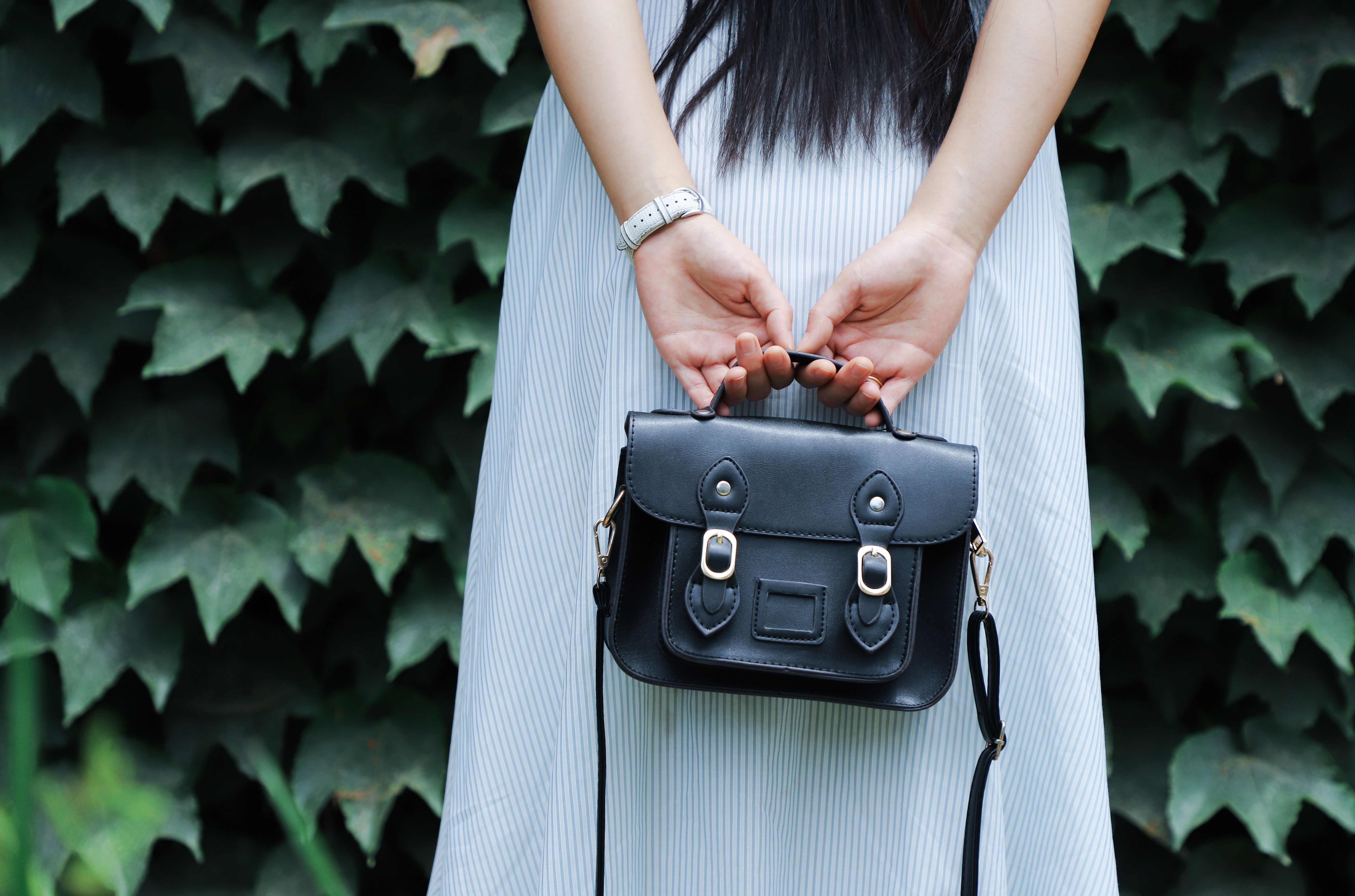
Micro-bags are dropping off fast. Instead, people want real leather with actual space inside. Heavy, structured Louis Vuitton handbags, from mini-trunks like the Petite Malle to firm top-handle shapes like the Alma BB, are getting their due for being able to go from the morning straight into late-night settings. The same can be said for the clean, rigid shape of the Gucci Jackie 1961 mini or the structured lines of a Prada Galleria mini.
Balancing Oversized Blazer Proportions
There is a simple design reason why this works, too.
Most night clothes are soft. Thin silk and light knits make up most party outfits. If you put a small, flimsy bag on top of soft clothes, it weakens the outfit. A thick leather bag changes that fast. Hard corners and solid metal latches give soft clothes something firm to rest against. In a dark room, shiny metal locks and box shapes catch light way better than flat black cloth. The bag stops being the thing you have to drag around and becomes the best part of what you’re wearing.
The move toward structured leather also aligns with how silhouette proportions have transformed. Over the last few seasons, evening wear moved away from tight, minimal dresses toward heavy, menswear-inspired tailoring. Oversized suit jackets with broad shoulder pads and wide-leg wool trousers now dominate evening spaces.
When you pair an oversized, strong-shouldered blazer with a tiny, microscopic purse, the proportions look entirely out of whack. The heavy shoulder tailoring swallows the tiny bag, making the accessory look like an afterthought or a toy.
Rethinking Hardware
There’s also the role of exposed hardware replacing evening jewelry. In a dimly lit venue, those exposed metal elements act as functional jewelry. Metallic clasps and corner brackets catch overhead venue lights the same way a bracelet or ring would. Carrying a structured bag with heavy metal fittings allows you to keep accessories minimal elsewhere, letting the bag’s hardware do the visual work against a plain dark suit or silk slip dress.
Physical handling completely changes the mood of an outfit, too.
Wearing a bag on a long shoulder strap or a thin crossbody chain forces a casual, commuting posture. It pulls down on one shoulder and disrupts the clean lines of a jacket or dress. Stripping away the long strap forces a different gesture entirely. Carrying a boxy bag strictly by a rigid top handle or cradling a mini-trunk under your arm like a leather document case changes how you stand and walk through a room.
The posture becomes deliberate and upright. You’re no longer adjusting a slipping shoulder strap all night or balancing a delicate pouch.
Cutting Through Monochrome Without Extra Sequins
Versatility drives the rest of this movement. Buying fragile evening clutches that sit in a dust bag for eleven months of the year makes very little practical sense. Using structured daytime icons for formal events maximizes investment pieces that already sit in your wardrobe.
Sourcing these structured shapes often comes down to where you look. Platforms like 24S, the Paris-based retailer under LVMH, give buyers direct access to authentic structured pieces from houses like Celine alongside rare, archived Louis Vuitton designs. Having an official channel for verified leather goods makes it considerably easier to build an evening wardrobe around lasting architectural pieces rather than single-use party bags.
Swapping tiny pouches for heavy leather comes down to smart, practical style. Bringing boxy shapes, solid hardware, and actual room into evening wardrobes proves that strong visual polish and real daily usefulness work best when they come together.
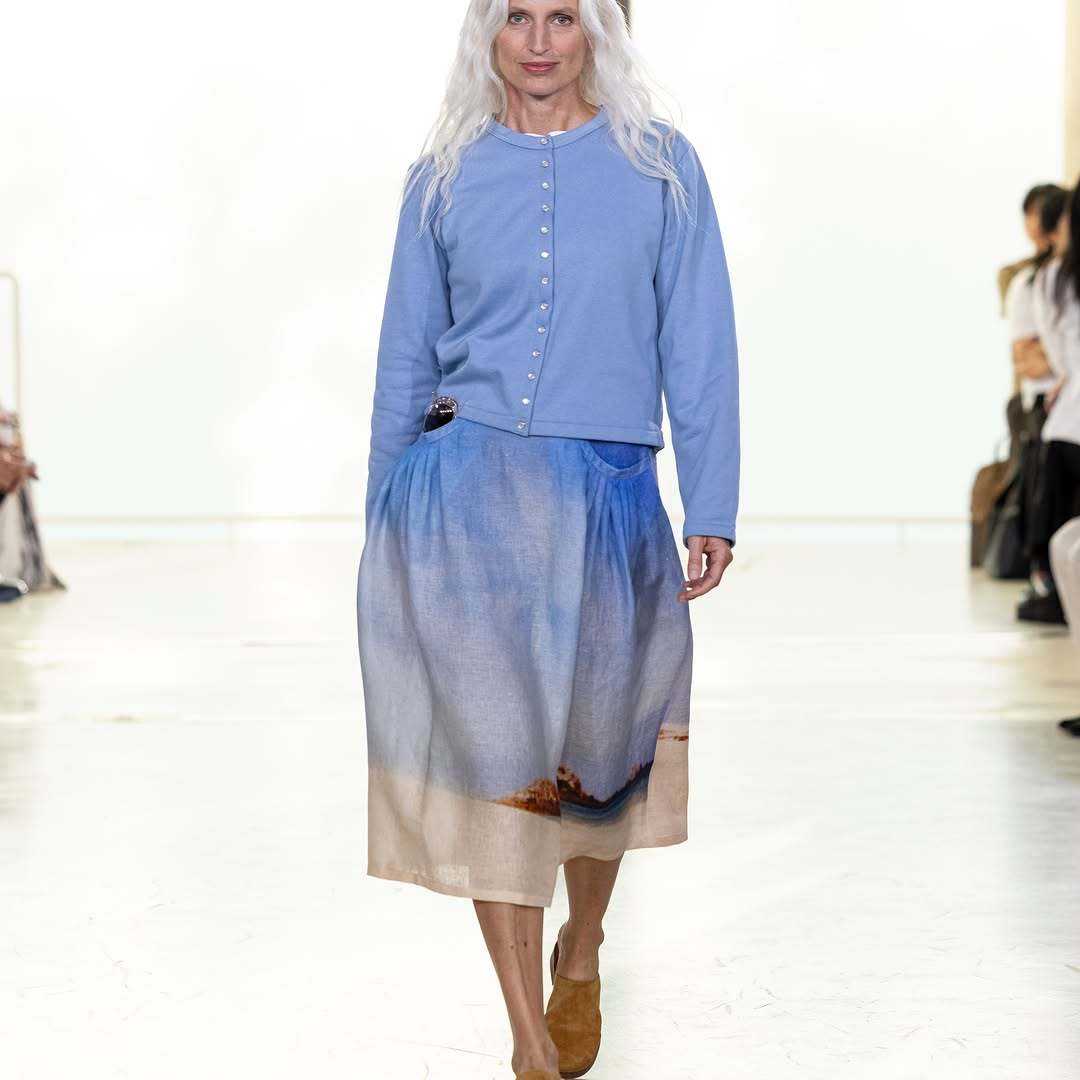
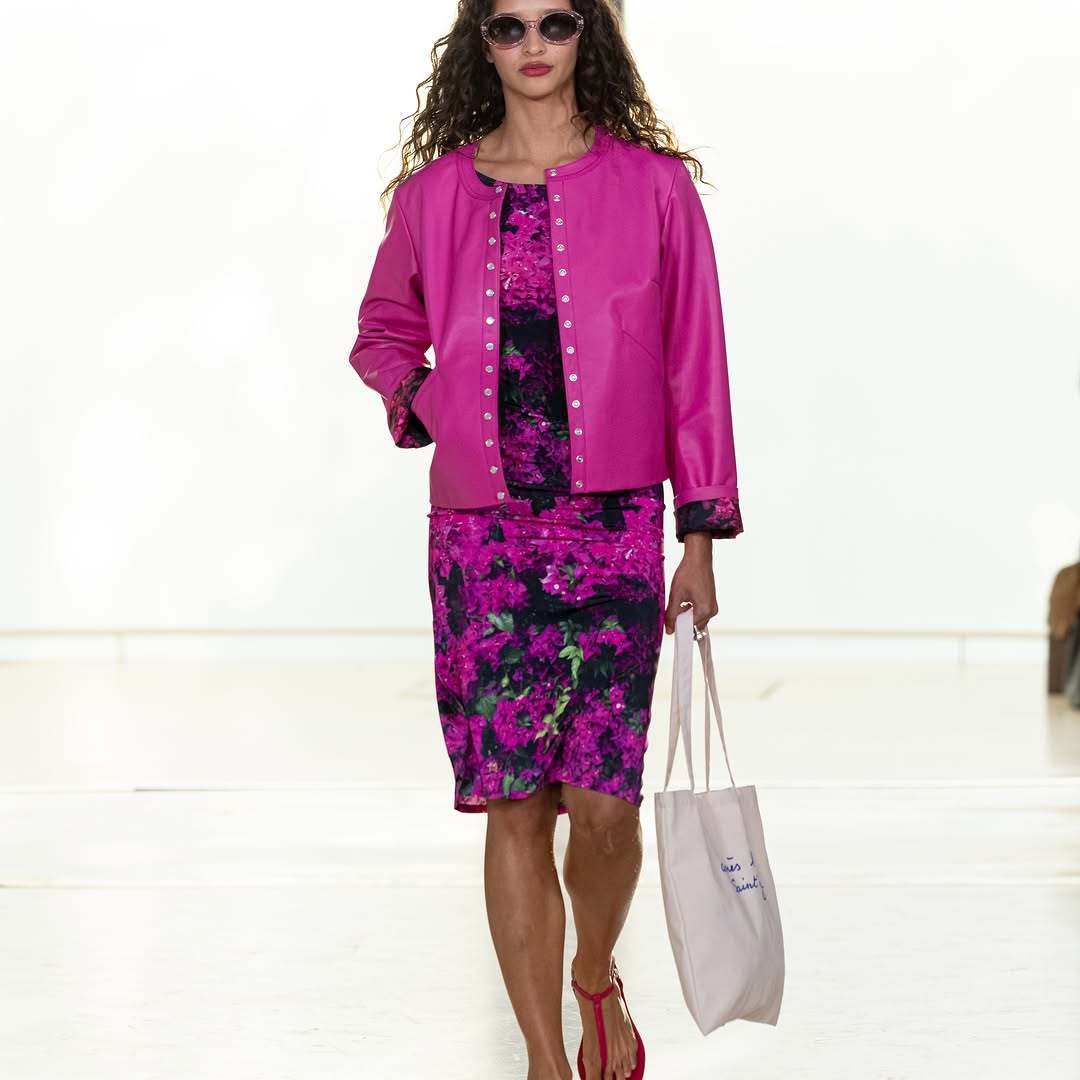
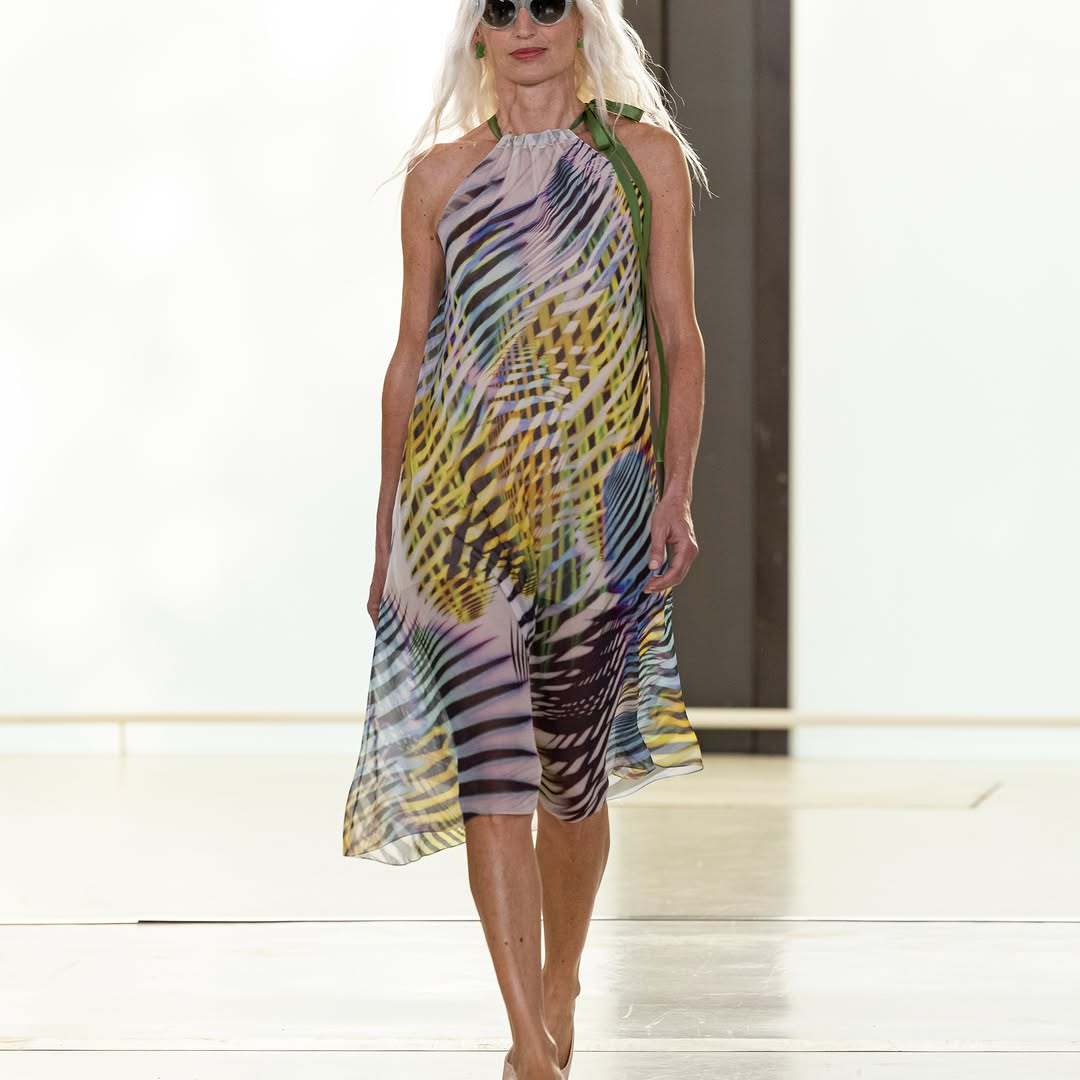
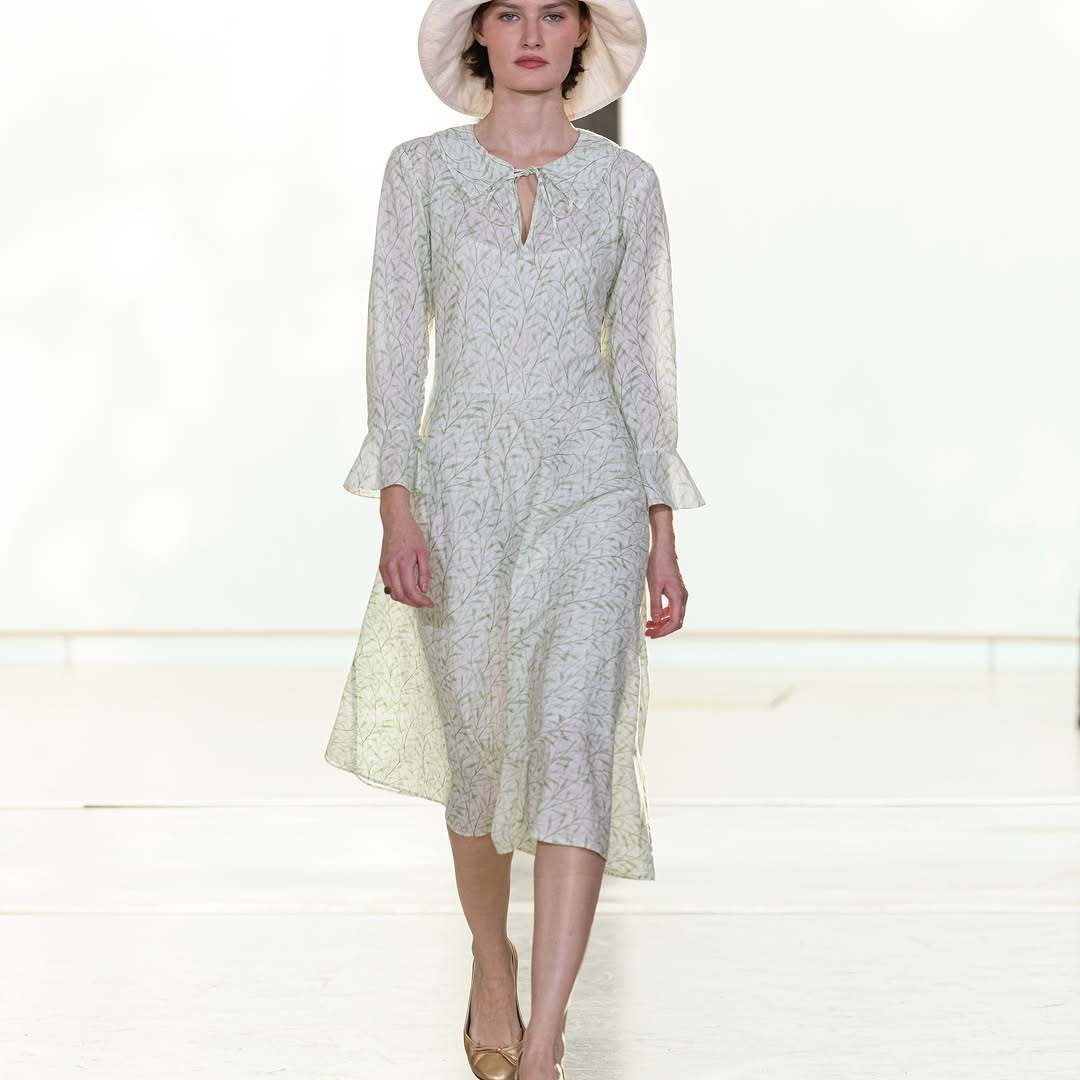
agnès b. presented its Spring/Summer 2027 womenswear collection at La Fab. during Paris Fashion Week, adding a new chapter to a house where fashion, art, and everyday life have always been intertwined. Agnès Troublé, who founded the brand in Paris in 1975, has built a parallel life as an art collector and patron, supporting artists alongside initiatives devoted to solidarity and environmental protection. Craftsmanship and French manufacturing remain at the core of the label, and this season, that sensibility translated into a quiet return to nature.
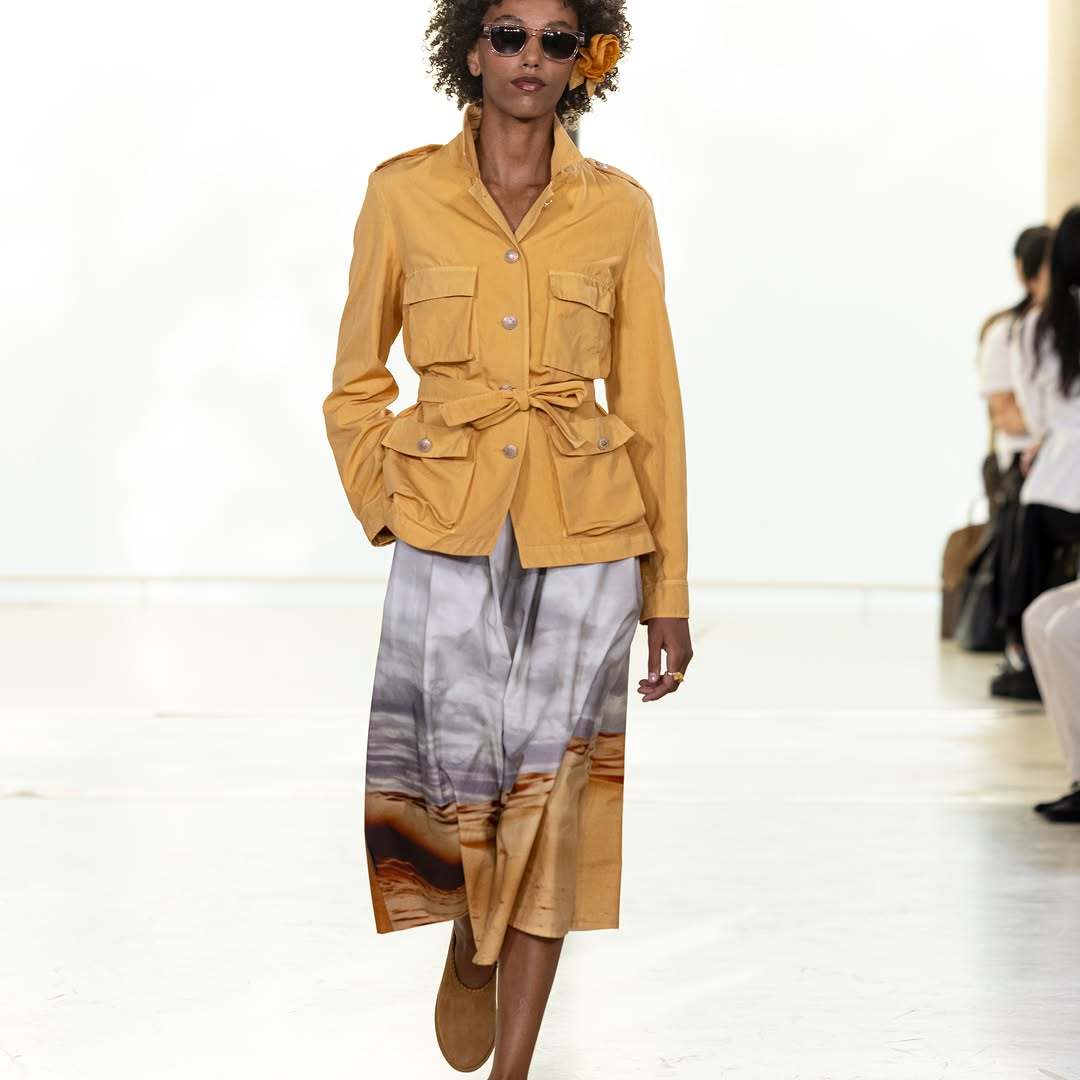
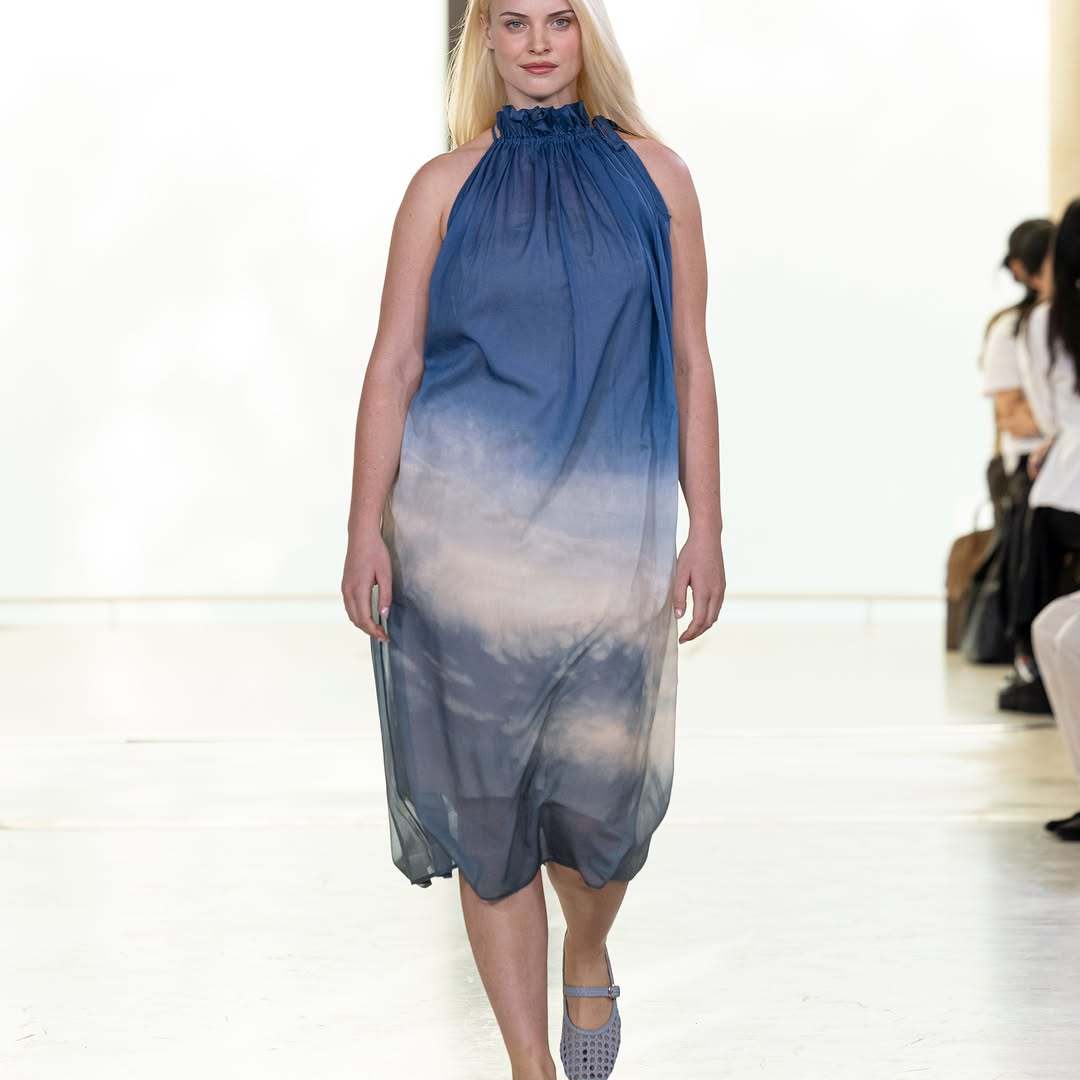
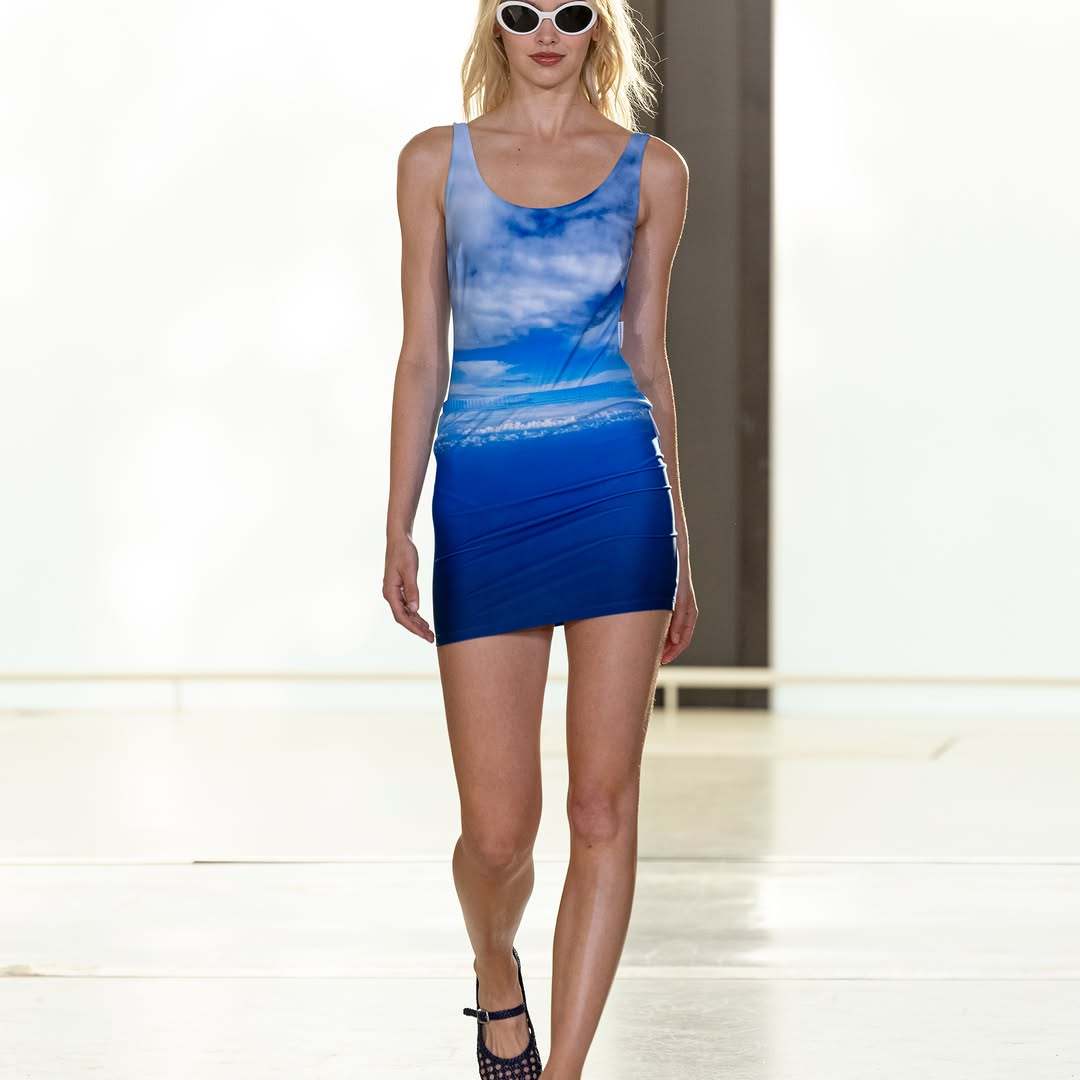
The collection’s most striking statement was a series of scenic prints depicting skies, mountains, and seas. A sheer blue halter dress faded from deep azure into drifting clouds, while a body-skimming tank dress captured a sky-meets-ocean horizon, paired with white oval sunglasses. A periwinkle snap-front cardigan, a nod to the house’s signature cardigan pression, was worn over a linen midi skirt printed with a sunlit landscape, and a mustard belted safari jacket topped a pleated skirt rendered in a desert-inspired print.
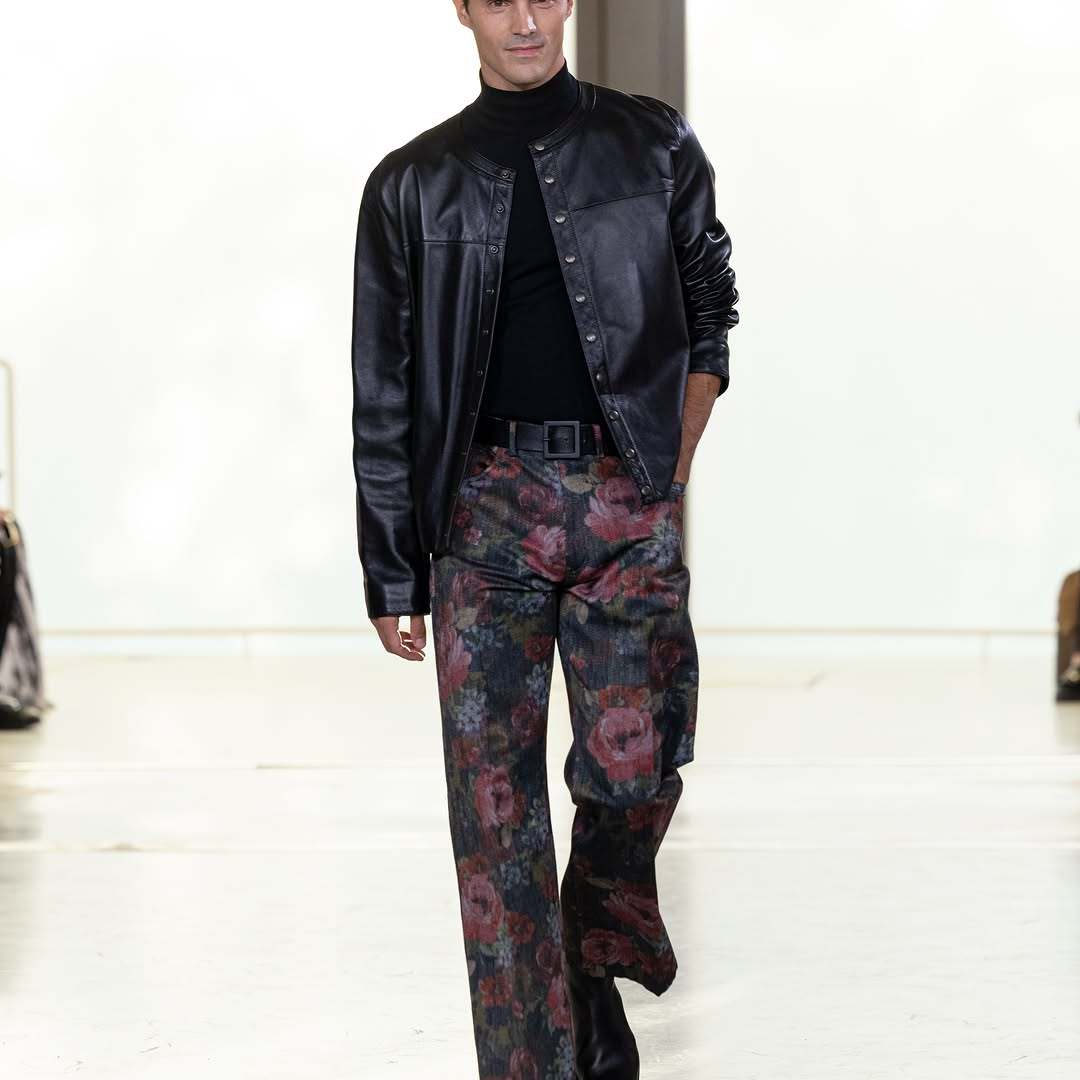
Florals arrived in spring fashion. A fuchsia leather jacket with snap closures was layered over a bougainvillea-print sheath dress and finished with red sandals and a canvas tote. Line-drawn tulips appeared on an orchid midi skirt worn with a black mesh crop top and a floppy hat, and again on a white mini skirt styled with a black sweater, a white Peter Pan collar, a slim belt, and over-the-knee socks. A pale green leaf-print dress with flared cuffs and a wide-brimmed sun hat offered a softer interpretation.
Elsewhere, the collection moved easily from the workday to the beach. A multicolor ikat check shirt was knotted over a matching bandeau and shorts, carried with a woven tote. A belted denim safari jacket and A-line skirt projected utility polish, while a sheer black ruffled blouse tied at the waist met cropped leather pants and a fringed bag. A swirling abstract-print halter dress with a green ribbon tie, a printed sleeveless blouse with black wide-leg trousers and fingerless gloves, and an updated take on the French bateau top rounded out the womenswear offering.
Menswear looks echoed the season’s ease, including a mint pullover shirt with white jeans and a stone linen jacket layered over a pinstripe shirt and trousers, anchored by a dark brown leather bag.
The palette spanned black, gray, teal, navy, pop pink, orange, lime, and gold, with hemlines ranging from mini to midi to ankle length. Accessories leaned practical yet playful: black totes, baseball caps, bandanas, floppy hats, flat loafers, striped sunglasses, and, in one poetic gesture, twigs carried down the runway. The show closed on black dresses with suggestive back details, a quietly seductive finale for a collection designed for the everyday French woman. Check out some street style below:
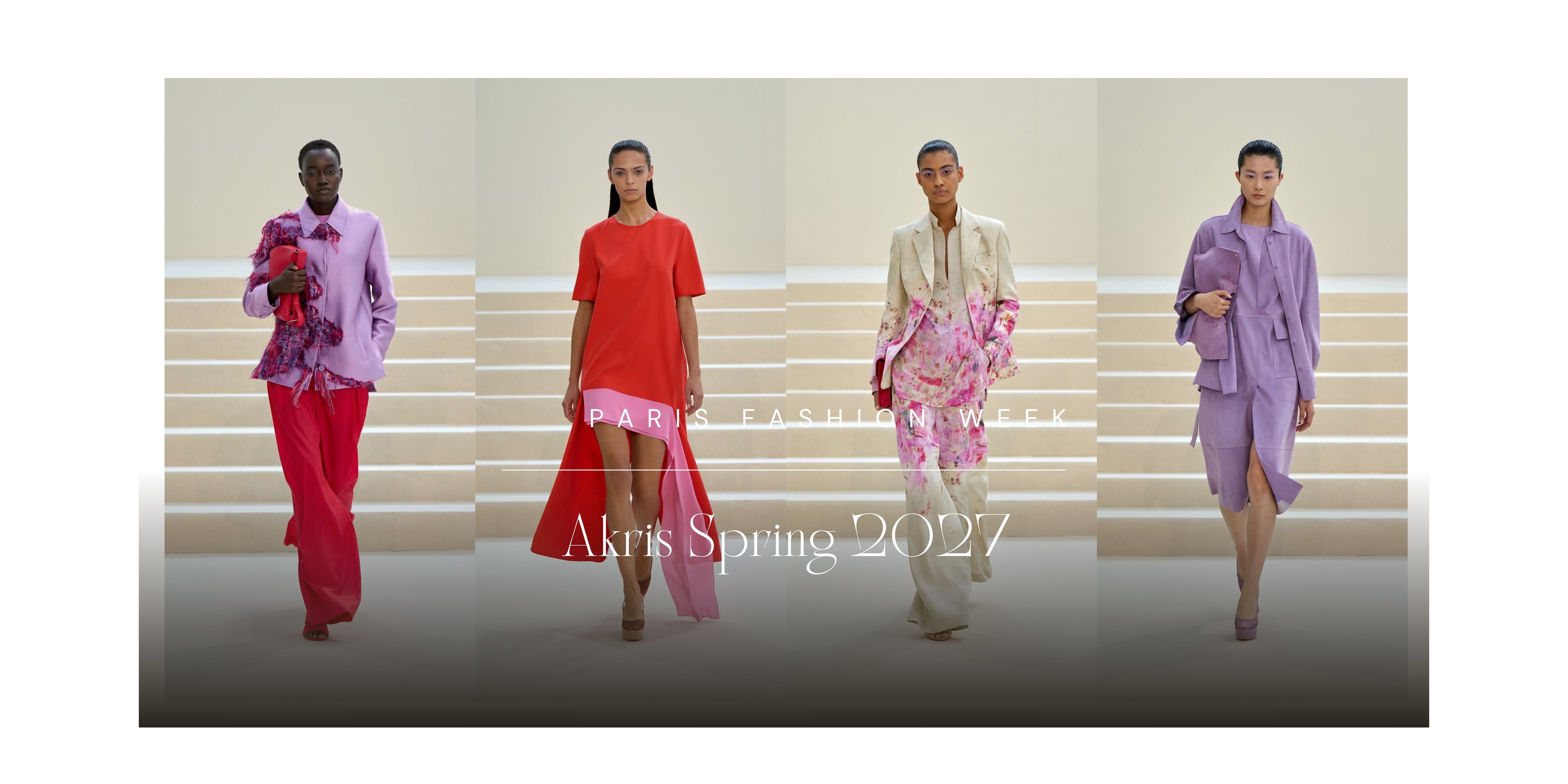
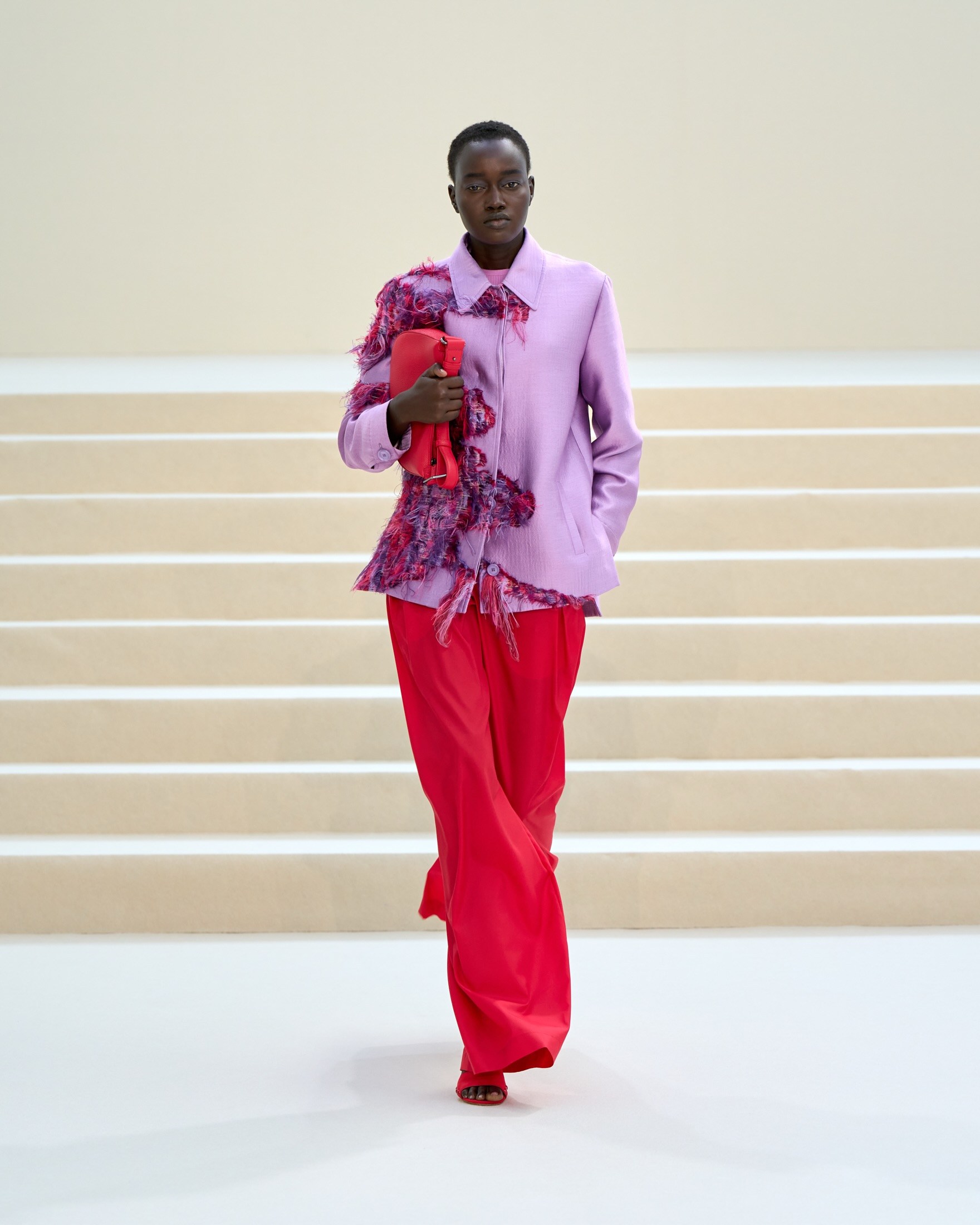
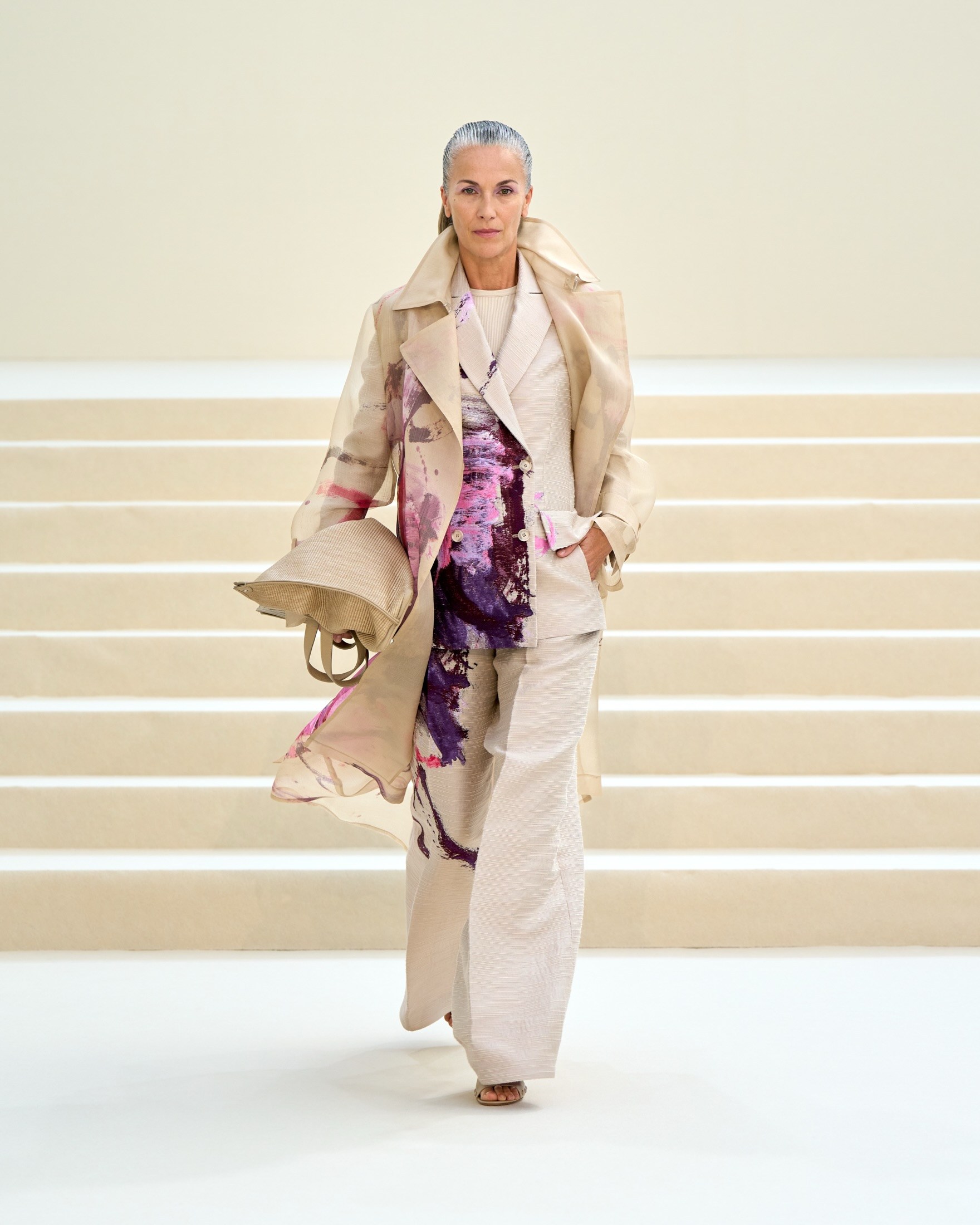
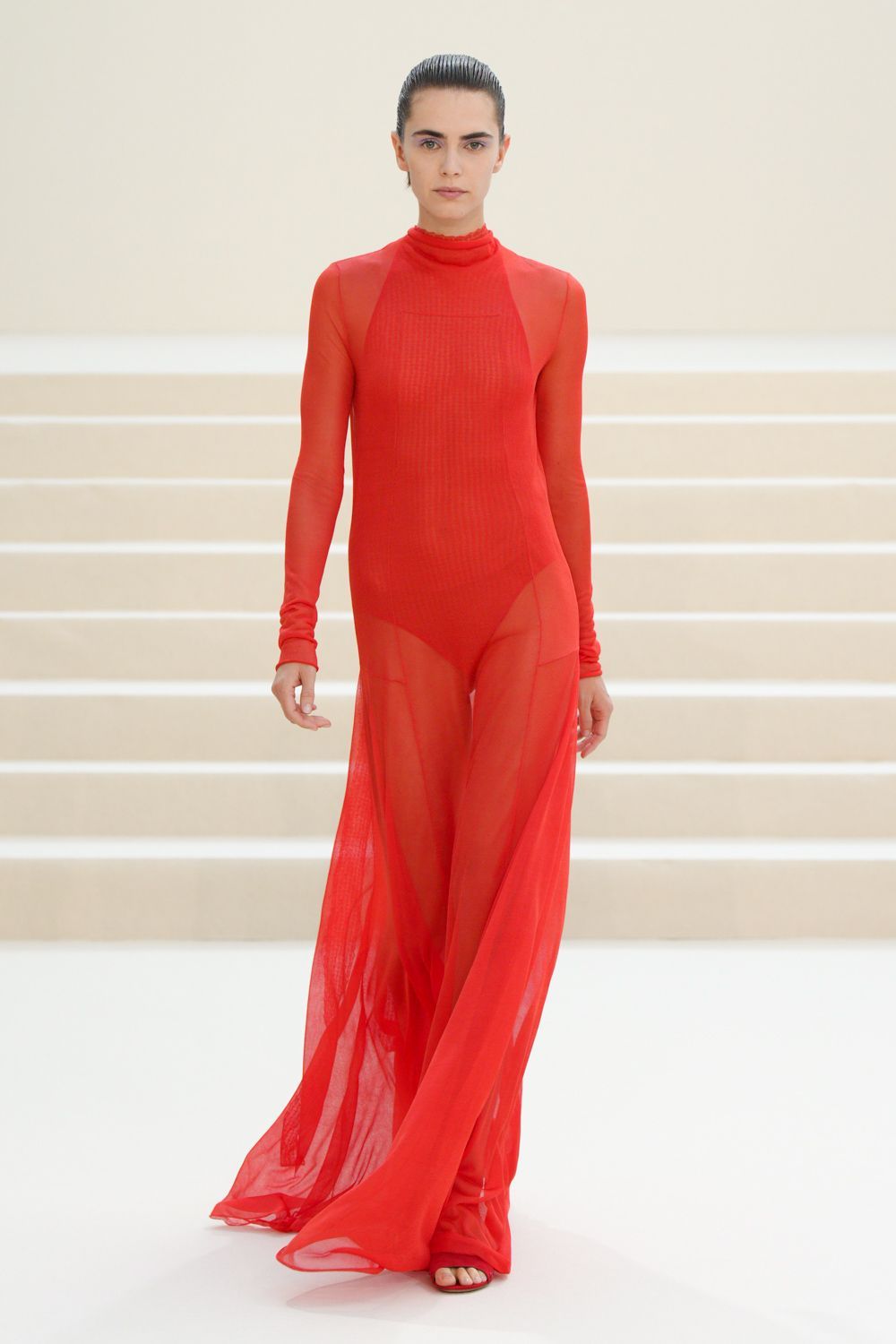
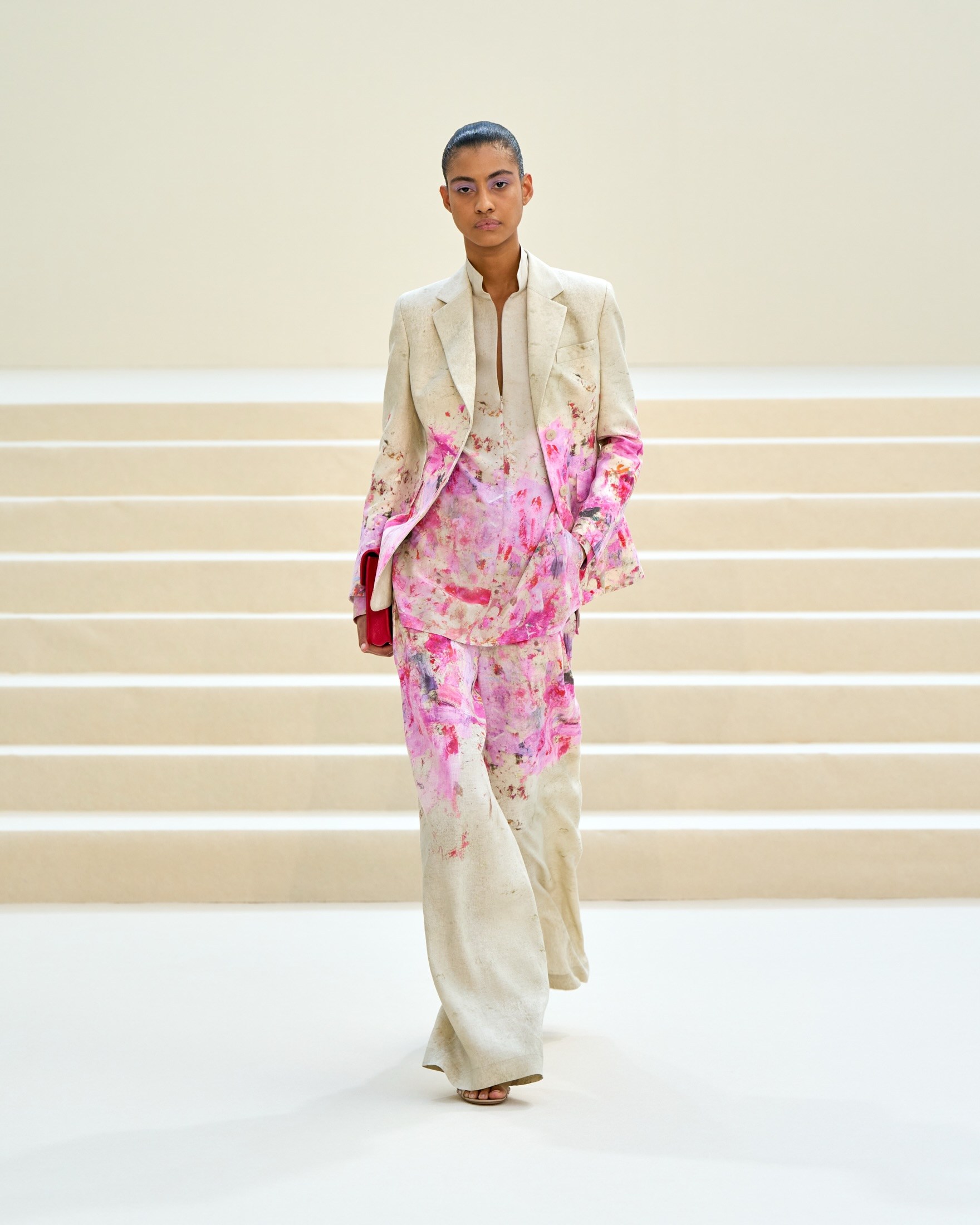
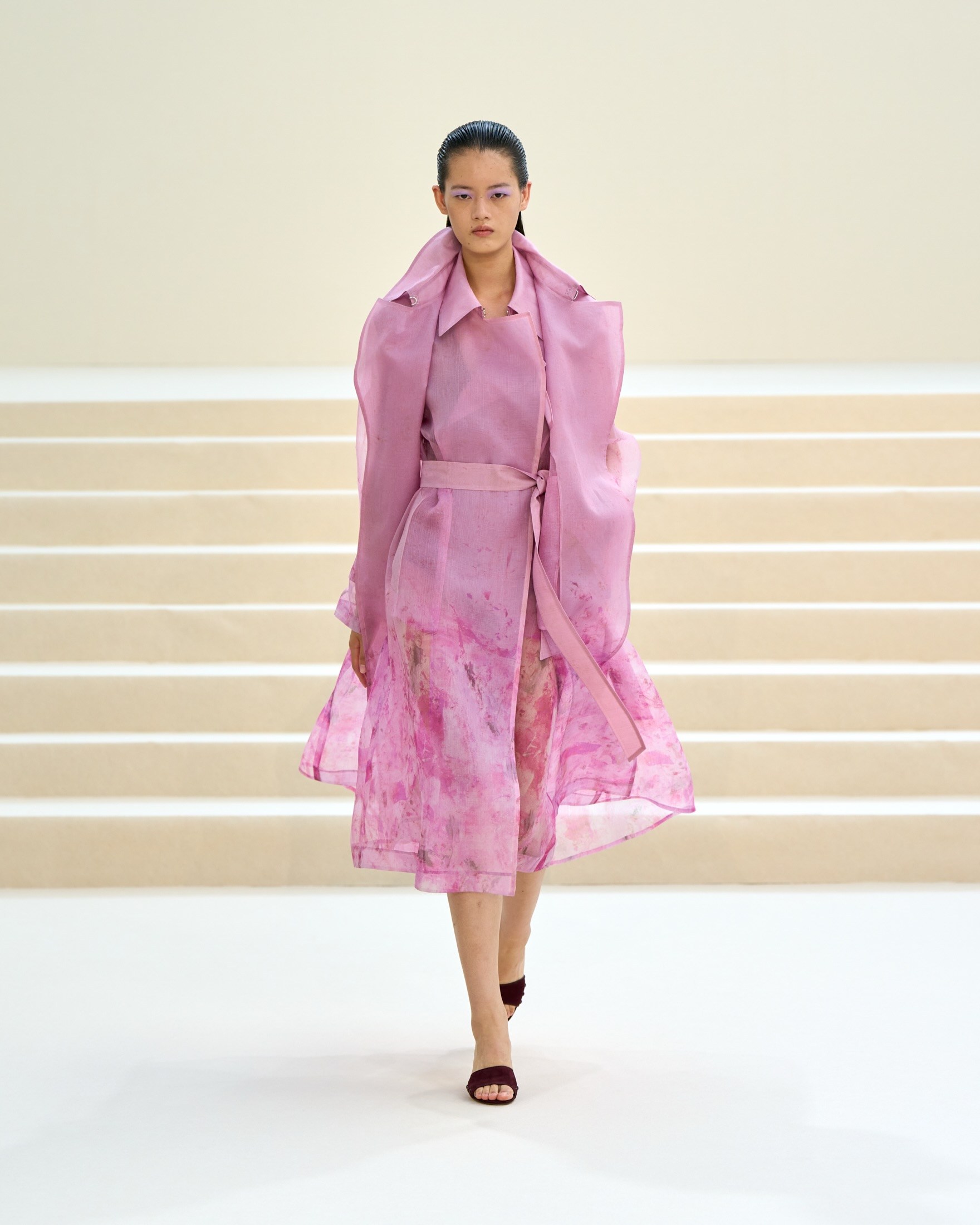
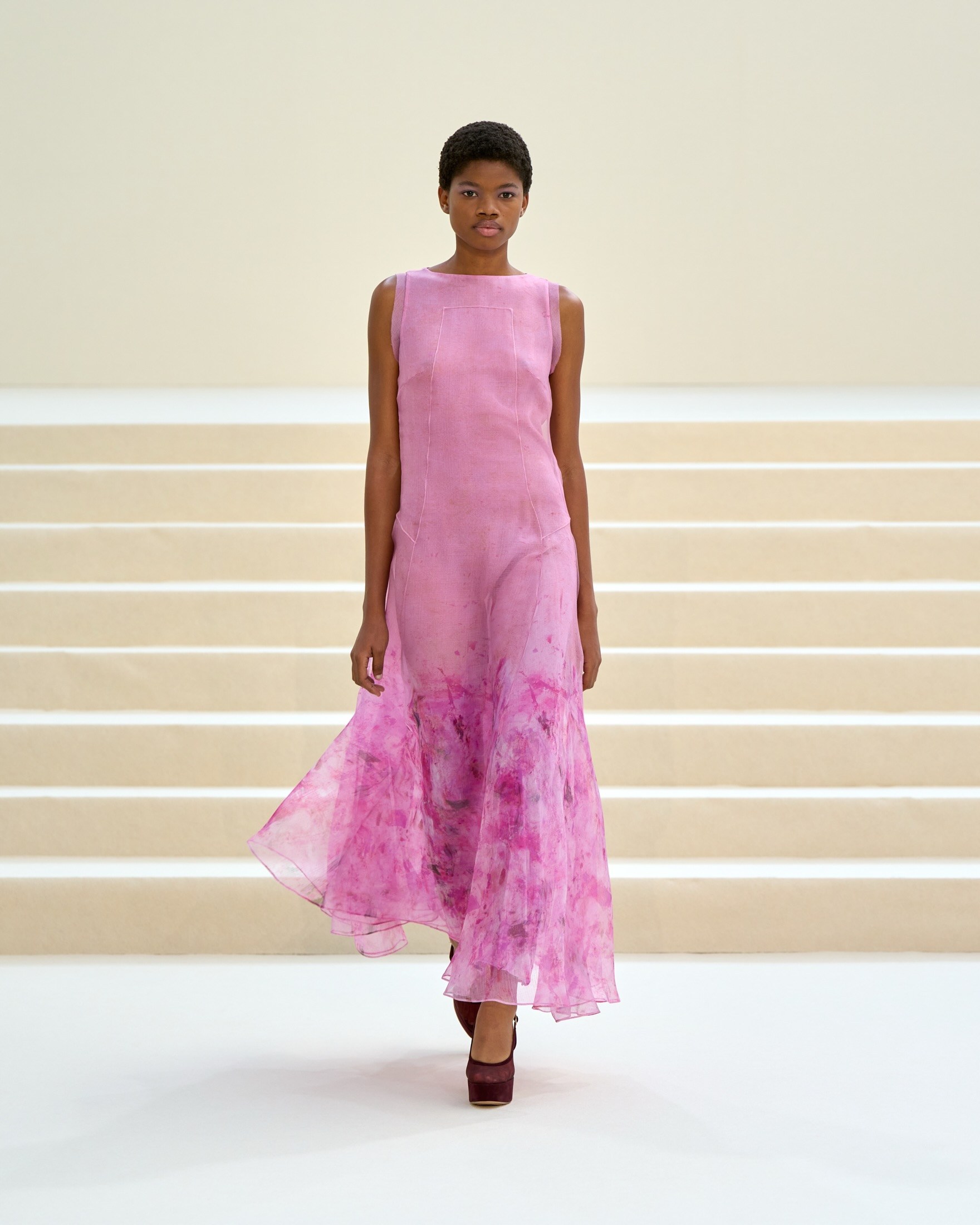
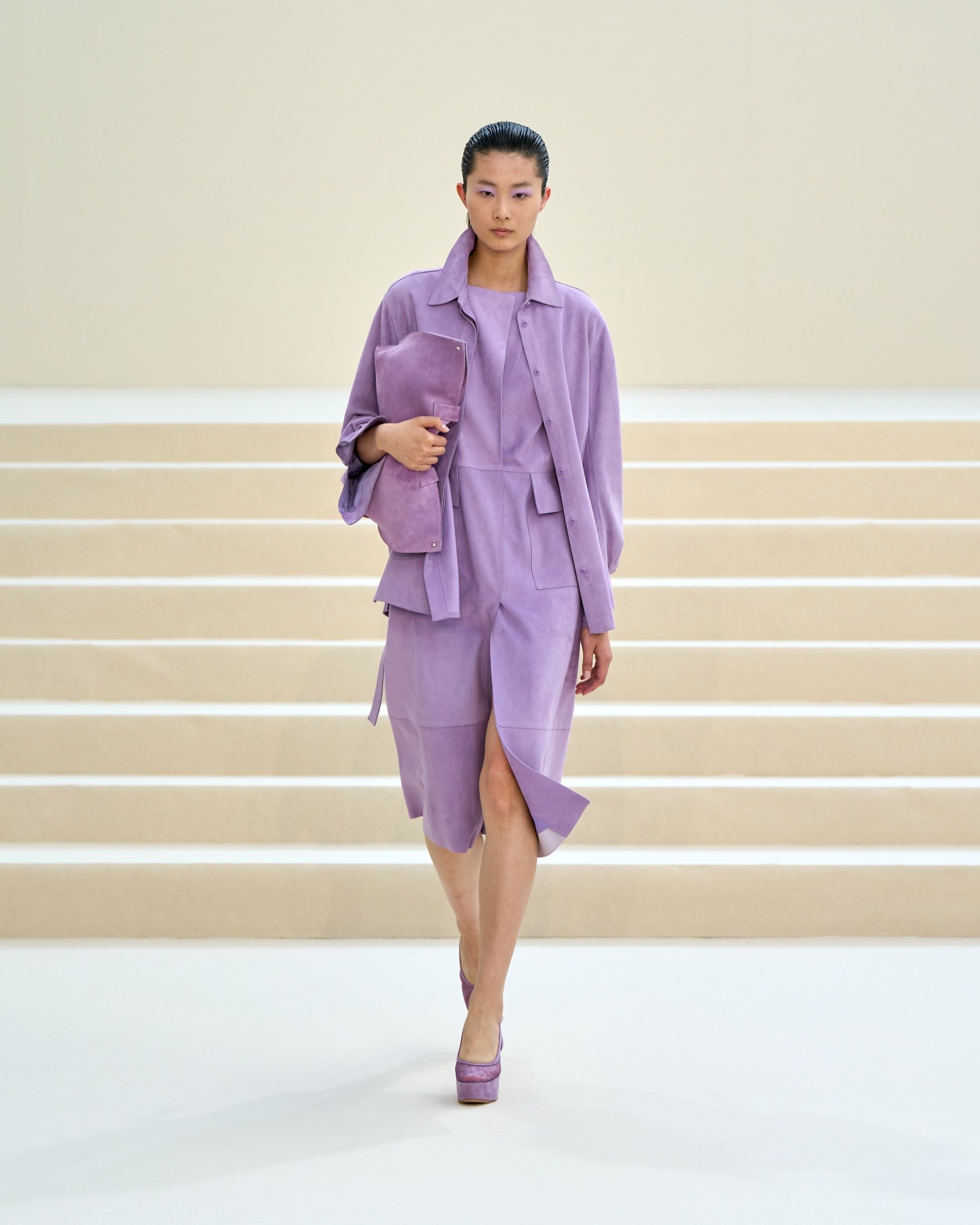
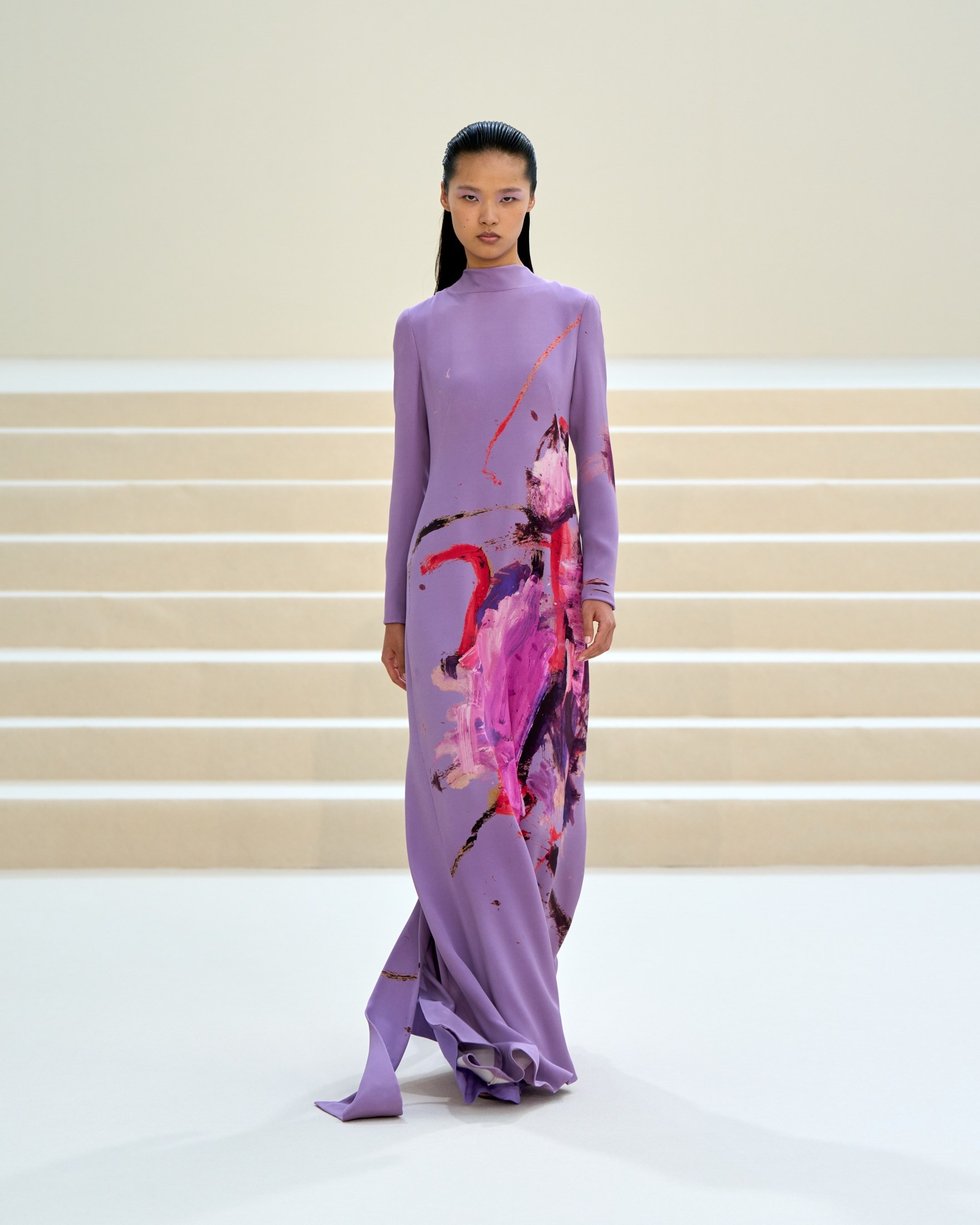
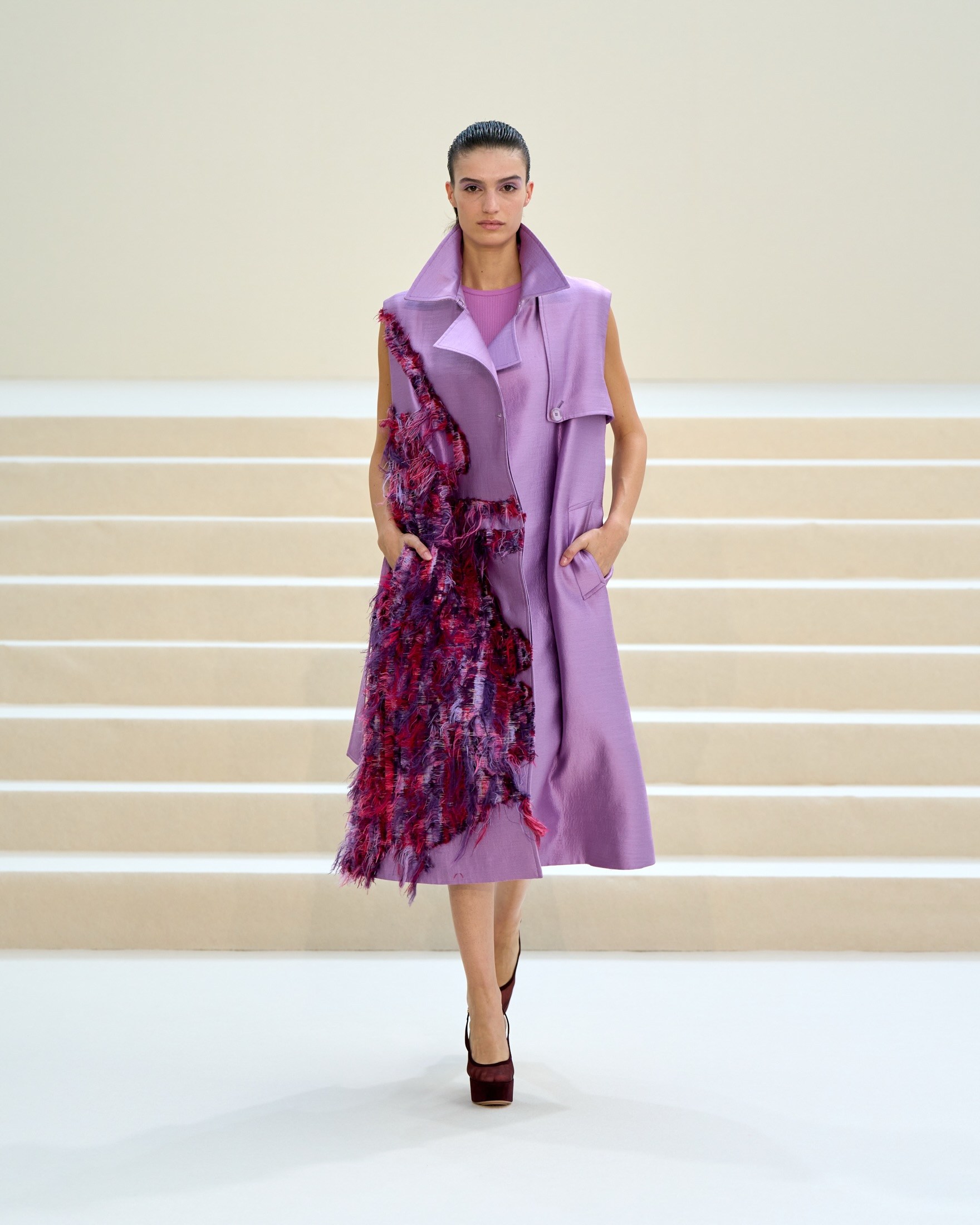
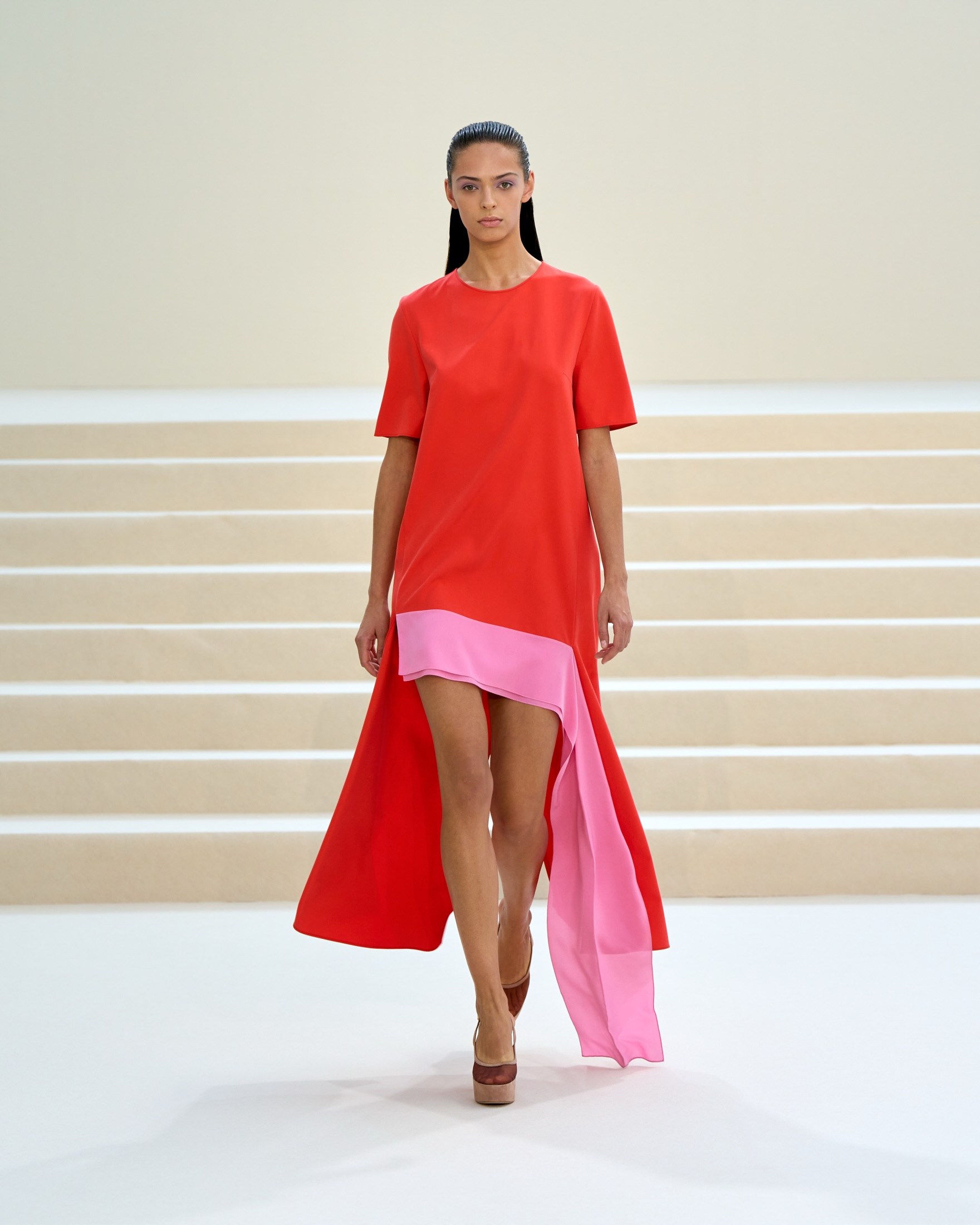
For Spring 2027, Akris offered a compelling wardrobe for the woman who meant business and dressed with imagination. Opening with an eye-catching red dress, Albert Kriemler established a confident approach to color that continued through painterly prints, unexpected contrasts, and tailoring animated by movement.
The collection drew on the work of Austrian artist Martha Jungwirth, whose expressive paintings provided both a palette and a way of thinking about clothes. In his show notes, Kriemler described dressing as an intuitive act shaped by instinct, memory, and desire. On the runway, that idea took form in garments that appeared composed at first glance, then revealed something unexpected.
The Art of Looking Twice
A cream look disclosed a pop of yellow at the hem. A pale blue strap peeked out against gray. A familiar trench became a canvas for sweeping painterly marks, while checked trousers gained ruffled details that disrupted their orderly pattern.
These touches gave the collection its character. Even the quieter looks invited a second look, with color, texture, and construction introducing small surprises.
Hand-applied ribbons translated the zigzag energy of Jungwirth’s brushstrokes into three dimensions. Folded, origami-like appliqués lifted away from the fabric, while loose ends followed the body’s movement. A cream dress combined delicate straps with patches of color and trailing ribbons, bringing the impression of an artwork still in progress to an otherwise graceful silhouette.
Kriemler’s show notes also identified reversed jacquards, frayed threads, and open structures as ways of revealing how the clothes were made. That visible process added depth to the collection’s artistic references.
Color With Conviction
The palette ranged from vivid poppy red and rich oxblood to pale pink, lavender, ocean blue, mint green, peach, and yellow. Periwinkle was a particular standout, lending softness to a structured jacket and matching skirt.
Suede and wool gave the clothes substance, while sheer details introduced lightness and glimpses of skin. Hemlines moved between mini, knee-length, midi, and ankle-length proportions, with asymmetric cuts adding another sense of motion.
A black dress with trailing tails was among the most striking looks. Its appeal lay in the way the fabric moved, demonstrating that the collection’s expressive spirit extended beyond its colorful prints.
Accessories That Completed the Picture
The bags carried the same balance of practicality and visual impact. Oversized totes were tucked under the arm like clutches, making their generous proportions part of the silhouette. Printed versions extended the artwork across the accessories, while smaller clutches provided a concentrated dose of color.
Open-toe mules kept the styling spare. Purple pairs offered a particularly appealing contrast to the soft blue separates, allowing the shoes to punctuate the look without overwhelming it.
For the Fashion Bomb reader looking to shake up her working wardrobe, Akris offered plenty to consider: expressive tailoring, memorable color, and pieces with enough detail to hold attention beyond the first impression. This was power dressing with an artist’s sensibility—and a clear point of view.
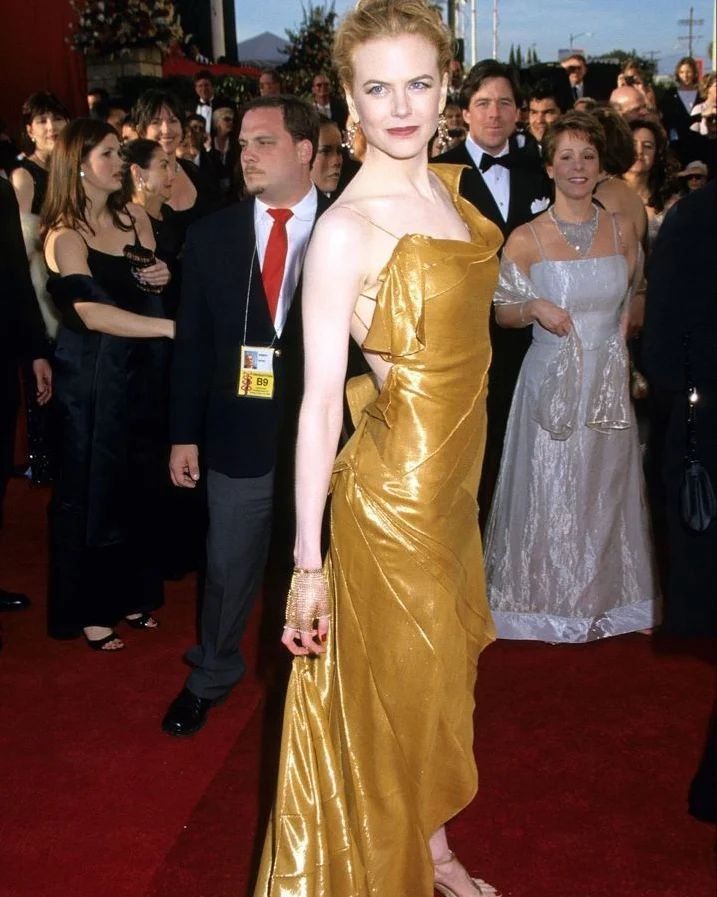
Nicole Kidman’s fashion legacy did not begin with the dramatic couture gowns she would become known for later in her career. During the 1990s, the Australian actress developed a distinctive red-carpet wardrobe built around sleek silhouettes, satin, sequins, minimal styling, and occasional risks that stood apart from conventional Hollywood glamour. Looking back, those choices feel remarkably relevant to the way celebrities approach fashion today, much like the way online bingo and other forms of digital entertainment have evolved alongside changing cultural trends.
Her ’90s style was not defined by one designer or aesthetic. Instead, it evolved throughout the decade, eventually culminating in one of the most influential red-carpet looks of the era: her 1997 Christian Dior couture gown by John Galliano.
What Defined Nicole Kidman’s Early ’90s Style?
Kidman’s initial appearances on the red carpet communicated the streamlined fashion language of those times. At the 1991 Academy Awards ceremony, she donned a simple black velvet minidress that featured elaborate jeweled detailing. According to Vogue, the look that Kidman sported epitomizes the minimalist approach she preferred in the early years of that decade.
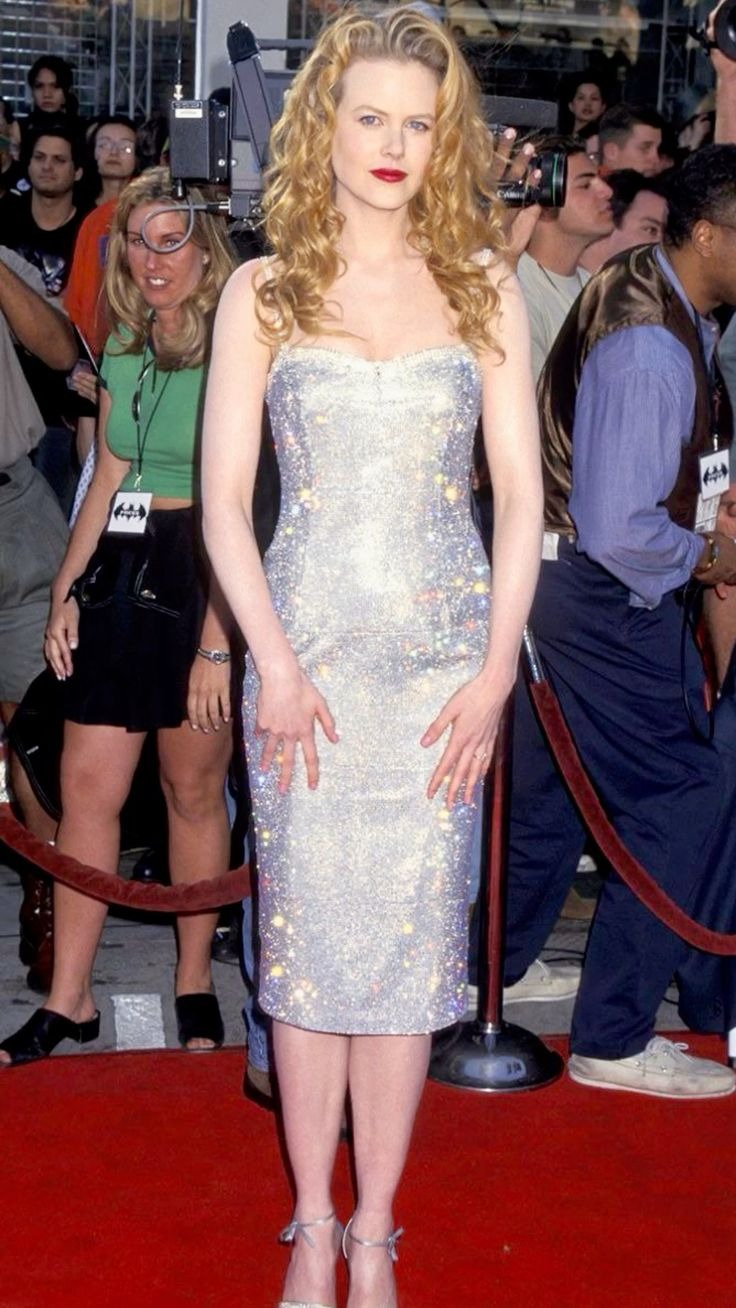
However, by the mid-decade, her style started to incorporate more shine and glamour. In 1995, at the premiere of Batman Forever held in Los Angeles, Kidman arrived at the event donning a dress that was completely embellished with sequins, which British Vogue later included in its analysis of Kidman’s best red-carpet looks.
One year later, she made the headlines again. At the 1996 Golden Globe Awards, when Kidman obtained the Best Actress award for her performance in To Die For, she wore a sequined white dress. The saavy manifestation of the stylist’s capabilities allowed her to combine the streamlined proportions of the decade with a more elaborate style that was characteristic of Hollywood.
How Did John Galliano’s Dior Gown Change Her Fashion Image?
A crucial moment occurred during the 1997 Academy Awards.
Kidman arrived wearing a custom-made haute couture gown by John Galliano for Christian Dior. The dress was embroidered in Chinoiserie style, featuring a simple and classy silhouette. Kidman paired the gown with frosted blue satin sandals.
This choice was significant as it represented not just another beautiful evening dress. It brought pure couture fashion directly from designers into one of the biggest events of Hollywood.
Galliano later explained that this moment helped introduce haute couture to Hollywood. Vogue magazine called Kidman’s dress ground-breaking in terms of fashion trends.
Interestingly, the dress was not very well received at that time. Some critics pointed that it had an unusual dark color of chartreuse and that it was too ornate for a simple evening gown. It was only after that the dress became associated with a turning point in the relationship between celebrities, couture houses, and red-carpet fashion.
Kidman still keeps the very dress that she wore at the Academy Awards and that he was fitted for.
How Did Her Style Become More Experimental?
In the late 1990s, Kidman proved her commitment to escape traditional dresses. She stunned critics at the 1998 event where Tom Cruise was presented with the John Huston Award in her graceful two-piece outfit.
This trend towards Y2K style continued in 1999 when Kidman started wearing a backless coord set, which was reported in British Vogue and was one of her many fashion must-dos that year. Her outfit during the Eyes Wide Shut premiere in 1999 serves as an excellent reflection of her transition.
The outfit, consisting of a burgundy crop-top and a skirt with midriff cutouts, is being praised as an example of a body-conscious trend that was on the rise at that moment.
Why Does Her ’90s Style Still Feel Modern?
Kidman’s clothing choices from the ‘90s are enticing not just for their choices but for how they bring different types of clothing together. She wore black velvet clothing, sequined dresses, two piece outfits, and revealing pieces based on the body without leaning on a certain style.
Today’s celebrities use many of the same ideas in their clothing. There is still a connection to minimal eveningwear, classical couture pieces, and fitted designs pieces of clothing appearing on modern parties.
Also, Kidman doesn’t stop making a link between the past and today. In 2024, she wore one of the dresses from the past made by Dolce & Gabbana and intended for Fall/Winter 1998. Thus, her dress showed that it could be worn again by modern people.
The relations of Kidman with companies seem to have stayed similar over time. According to British Vogue, she moved to other modern styles from the classic satin dress collection of the 1990s but then returned back to Coco Chanel in 2026.
What Makes Nicole Kidman’s ’90s Fashion Legacy Endure?
The significance of Kidman’s style in the 1990s lies in the fact that it showed that dressing like a celebrity means more than simply being glamorous. The outfits that attracted attention back then made it possible to discover new fashion ideas on the red carpet and collaborate with designers while taking risks.
The 1997 Dior dress is the best example of this approach, but it is part of the greater legacy of the decade, including elements such as minimalist style, sequins, tailored clothes, experimentation with haute couture, and the daring shapes introduced at the end of the decade.
While these characteristics belonged to fashion trends of the 1990s, they can also be found in the present-day contextualizing them within many Hollywood features that have shaped the idea of fashion over the years.
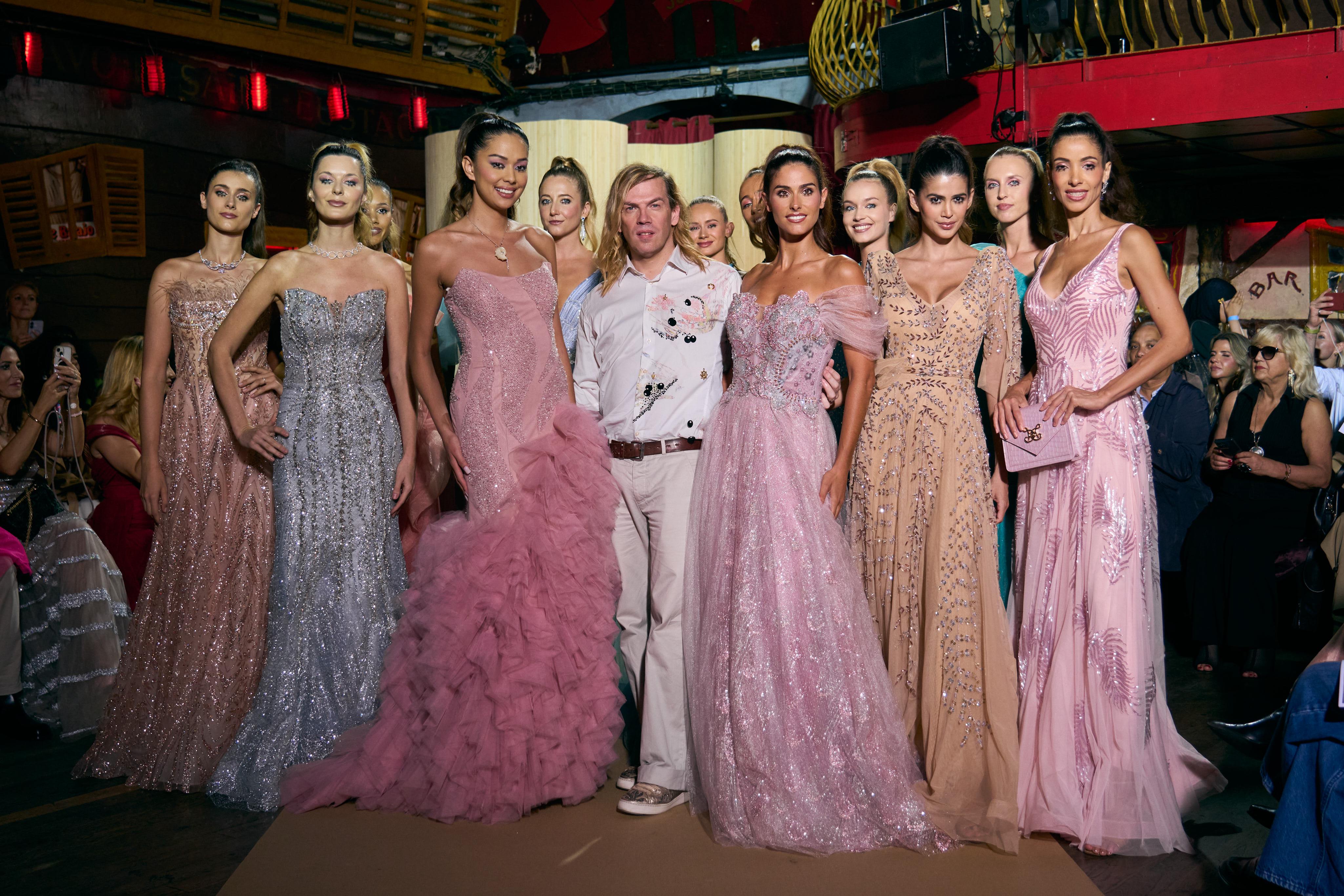
Christophe Guillarme returned to his signature address — the same nightclub at 9 rue de Lappe in Bastille — for another Spring 2027 outing, this time drawing from the hypnotic world of Dario Argento’s “Suspiria.” Outside, the rain fell; inside, disco balls spun and the collection brought its own electric charge.
Christophe Guillarme Paris Fashion Show – Spring-Summer 2027 Collection ” Suspiria ” – PFW Paris Fashion Week – Balajo
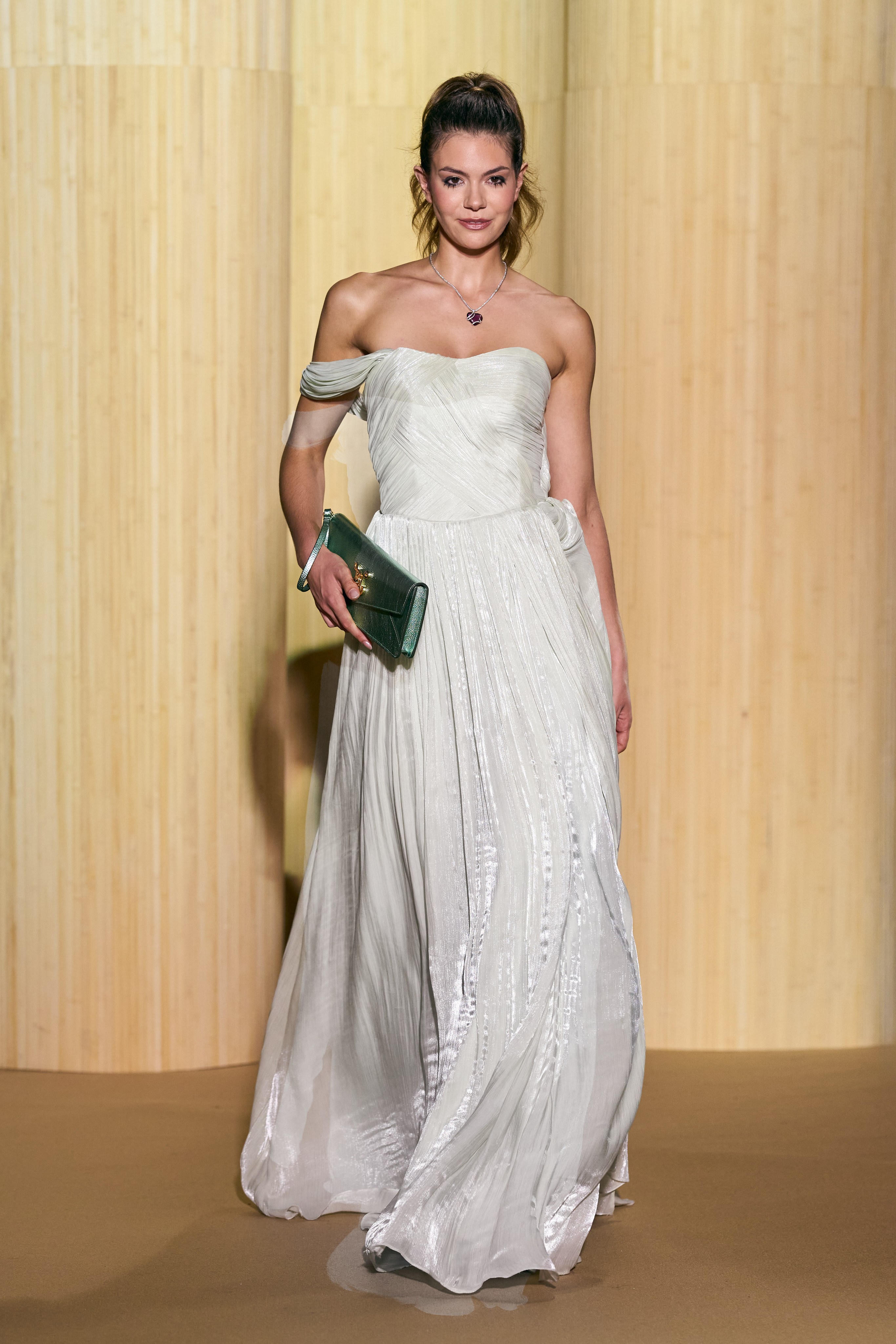
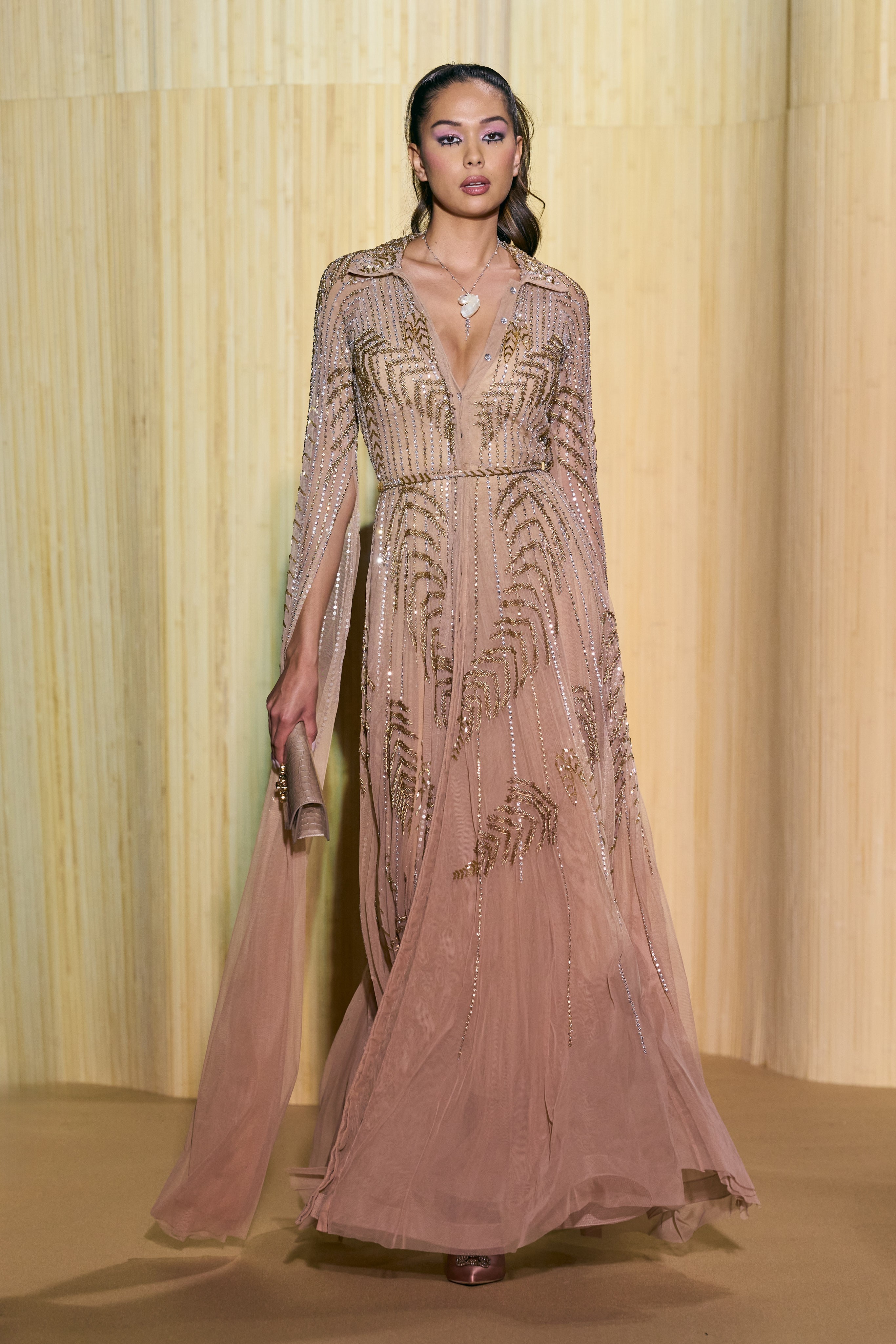
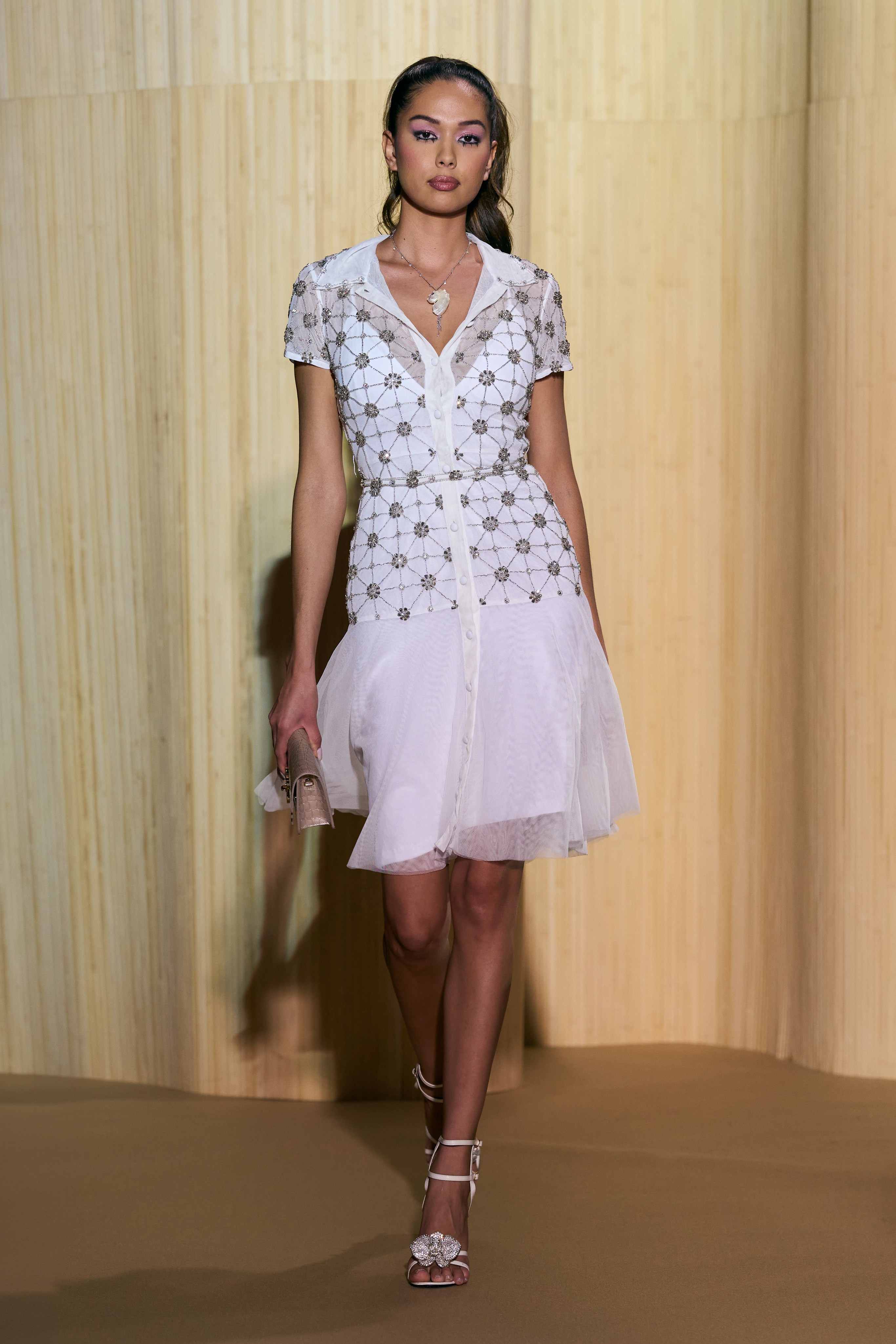
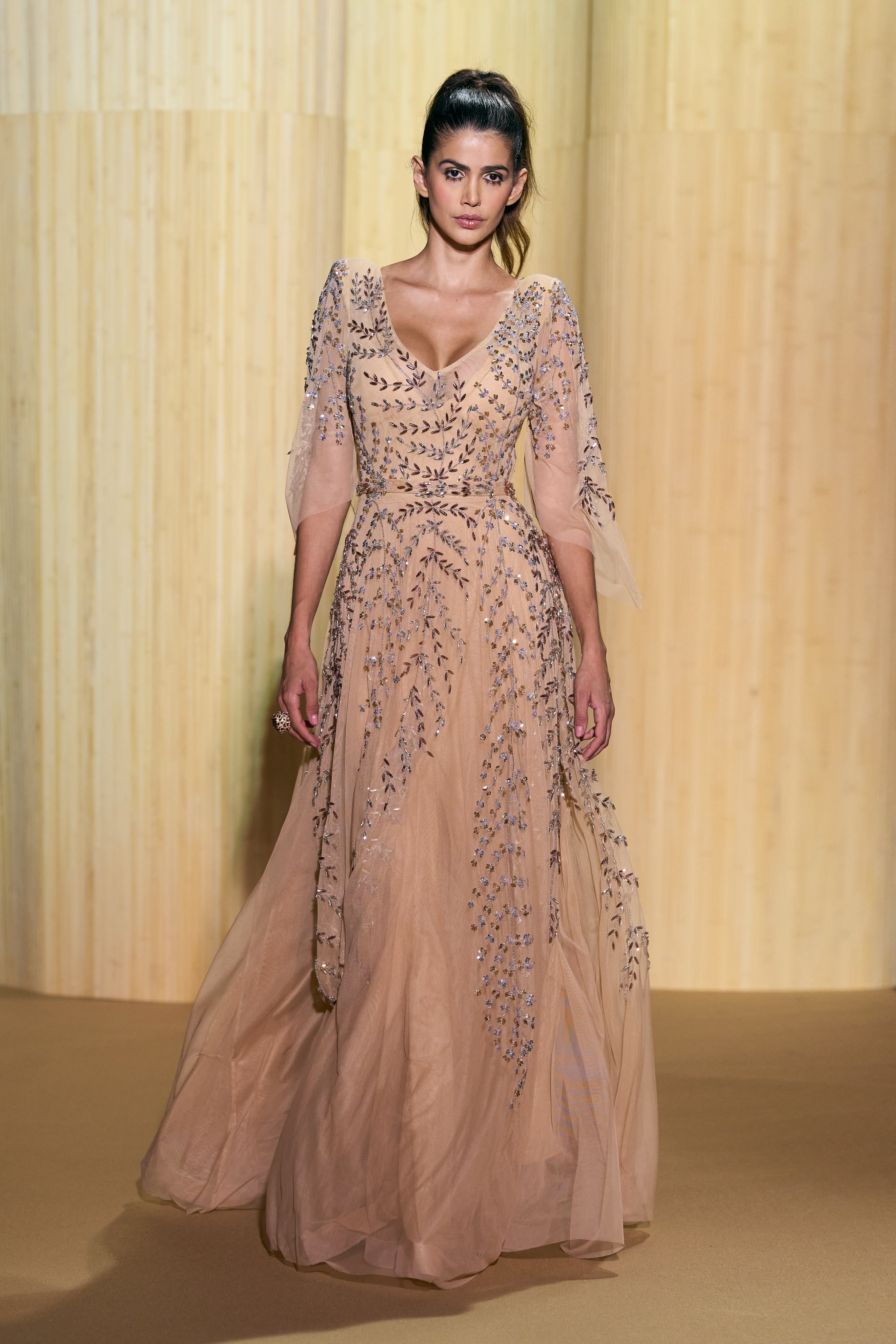
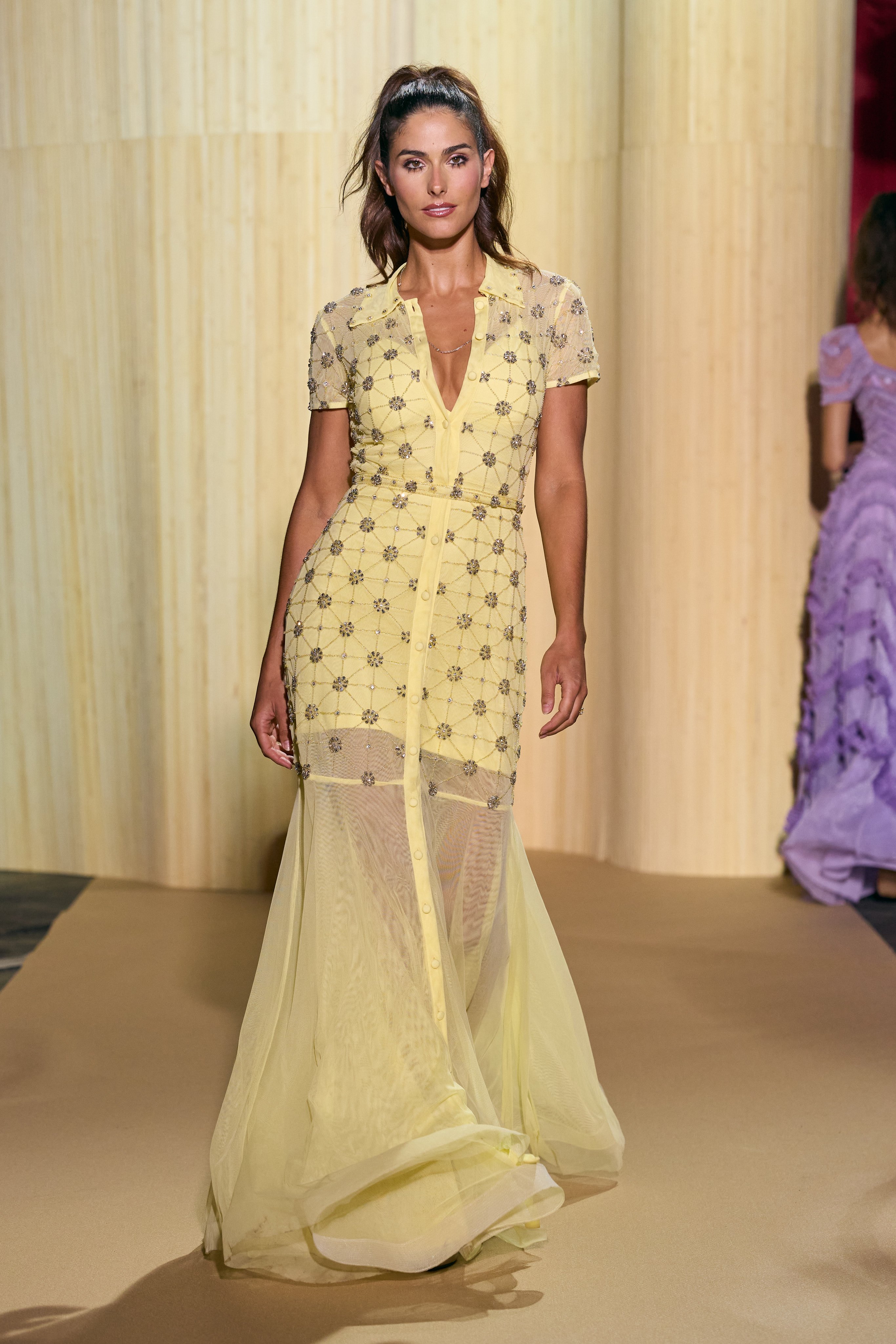
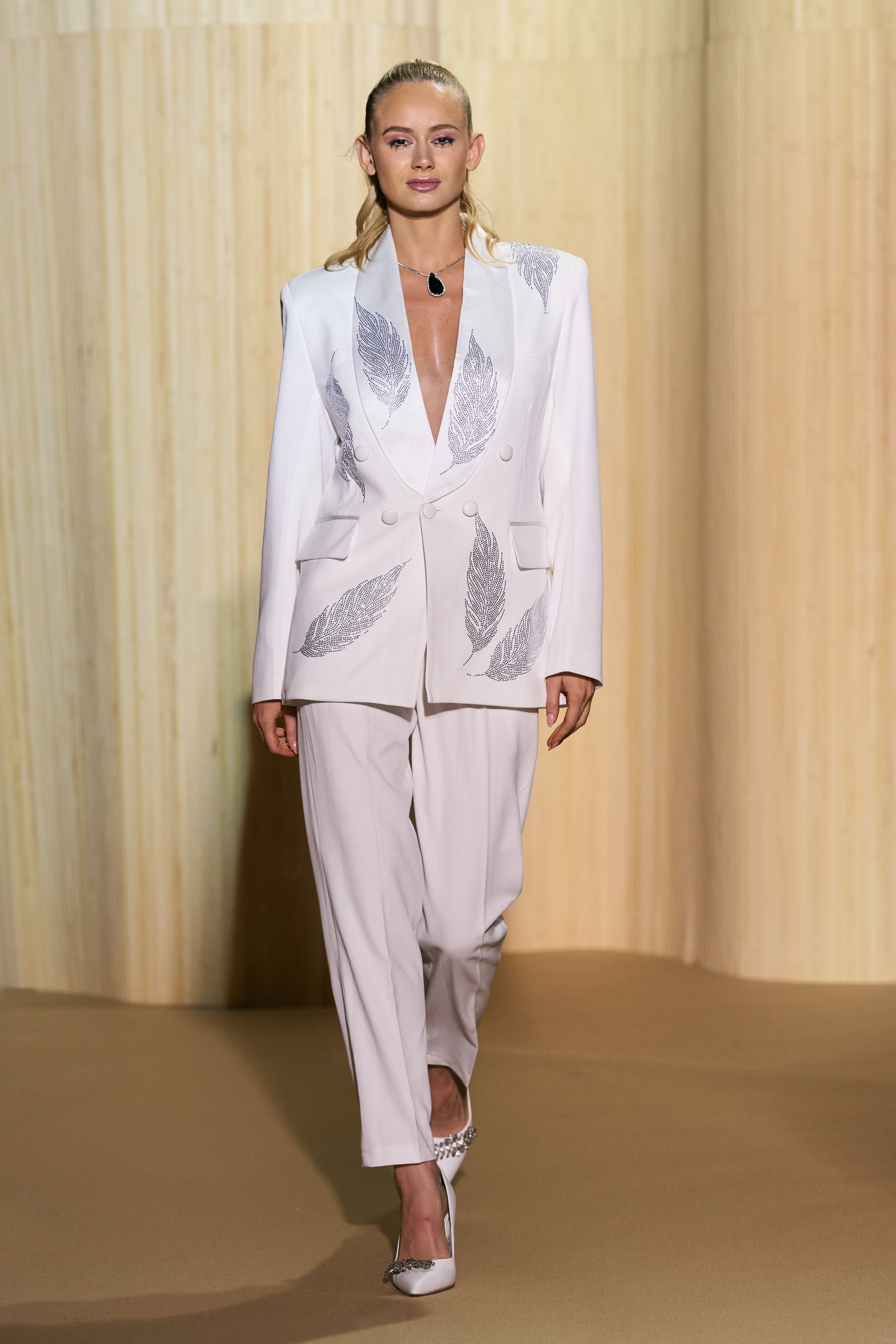
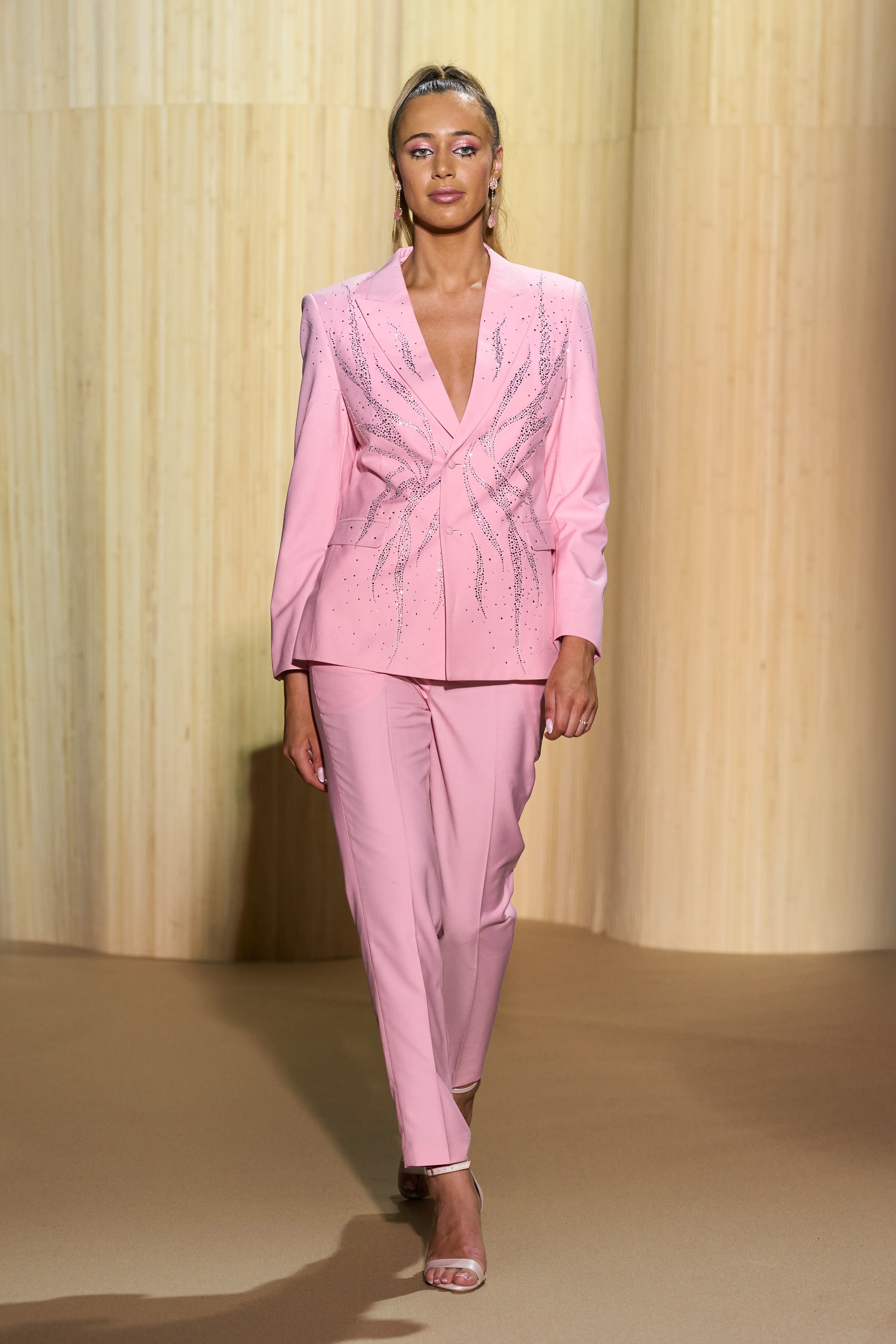
The mood was Barbie-does-the-witching-hour: playful hair, saturated pastels, and a soundtrack of disco pulsing beneath the room’s baroque, cinematic lighting. Shirt dresses stood out throughout, some finished with sparkling embellishment and sheer tulle overlays, others built from softer sheeting with delicate detailing. Leaf-shaped embellishments recurred as a motif, while tailored suits caught the light in scattered crystals.
The more classic silhouettes were there too — butter yellow prom dresses, several embellished, many finished with ruffles — alongside a standout mint green Grecian gown in layered, fluid fabric.
Christophe Guillarme Paris Fashion Show – Spring-Summer 2027 Collection ” Suspiria ” – PFW Paris Fashion Week – BalajoChristophe Guillarme Paris Fashion Show – Spring-Summer 2027 Collection ” Suspiria ” – PFW Paris Fashion Week – BalajoChristophe Guillarme Paris Fashion Show – Spring-Summer 2027 Collection ” Suspiria ” – PFW Paris Fashion Week – Balajo
The palette moved through white, pink, yellow, lilac, champagne, red, peach, teal, and periwinkle, with looks falling mostly floor-length. Accessories leaned into the fantasy: jeweled sandals, bejeweled earrings, clutches, and what may be a new mini bag line rounding out the presentation.
Christophe Guillarme Paris Fashion Show – Spring-Summer 2027 Collection ” Suspiria ” – PFW Paris Fashion Week – BalajoChristophe Guillarme Paris Fashion Show – Spring-Summer 2027 Collection ” Suspiria ” – PFW Paris Fashion Week – BalajoChristophe Guillarme Paris Fashion Show – Spring-Summer 2027 Collection ” Suspiria ” – PFW Paris Fashion Week – Balajo
Glitter, satin, sequins, and mirrored surfaces enhanced the disco spirit throughout — proof that Guillarme’s world of mysterious, magnetic glamour is only getting more confident with each season.
Christophe Guillarme Paris Fashion Show – Spring-Summer 2027 Collection ” Suspiria ” – PFW Paris Fashion Week – Balajo
What do you think? Watch our interview with the designer below:
Las Vegas has never been a city that does understated, so it makes perfect sense that fashion and casino culture can sit side by side. With Vegas Fashion Week returning from, November 12 – 15, 2026, the city is set for a week filled with runway shows, live model showcases, design competitions, shopping experiences and entertainment. For anyone planning a stylish Vegas escape, the question is not simply what to wear, but where to take the look once the runway lights go down. This event promises an exciting blend of fashion and entertainment that will inspire and energise visitors.
A Vegas Fashion Week wardrobe calls for pieces that can move from daytime events to an evening on the Strip without missing a beat. Consider dress codes and safety, ensuring your bold silhouettes, dramatic details, and glamorous textures are suitable for casinos. Think skirt sets, rich velvet, oversized bows, animal prints and striking floral brooches, while keeping in mind any specific casino dress policies. The best casino games can be part of the itinerary too, especially when a night of fashion calls for a little entertainment after the shows.
If you want to lean into the Vegas mood, choose one statement element and let it do the talking. A modern velvet dress can bring instant evening glamour, while an oversized floral brooch can transform a simpler blazer into something worthy of the front row. To seamlessly transition from day to night, add accessories like bold jewellery or a chic clutch. Pink and red tones are also having a major fashion moment, offering an easy way to add serious colour to your wardrobe. For something more experimental, futuristic materials such as PVC, rubber and fibreglass-inspired textures have appeared on the fall 2026 runways.
And then there is the bomber jacket. The classic has been given fresh proportions and elevated fabrics, making it a standout outerwear shape for the season. It is an especially practical choice for Vegas, adding a polished finish while staying relaxed enough to move between events. Pair it with a skirt set or statement trousers and the look can easily shift from fashion presentation to an evening out.
Once the shows and shopping experiences are over, Las Vegas offers plenty of ways to keep the night going. The city guide highlights a wide selection of casino destinations, each with its own atmosphere. For elegant evenings, consider the Venetian or Bellagio, where sophisticated outfits match the luxe surroundings. ARIA offers a sleek, modern gaming environment perfect for contemporary styles, while Caesars Palace delivers a more classic Vegas experience with bold, glamorous looks. Wynn, meanwhile, is known for its luxurious surroundings and restaurants, ideal for a stylish dinner before hitting the tables.
For the actual games, poker is an obvious choice for anyone looking to channel classic casino glamour. Bellagio is highlighted as a destination for serious poker players, making it a natural match for a dressed-up night. Roulette and blackjack also fit neatly into the Vegas experience, particularly if your priority is enjoying the atmosphere as much as the game itself. The important thing is to choose an outfit that feels comfortable enough for a full evening while still looking polished.
Of course, Vegas Fashion Week is about much more than dressing for the casino. The 2026 event celebrates fashion as part of culture, creativity, and commerce, with educational talks, design competitions, VIP shopping experiences, and community entertainment included in the programme. That gives visitors plenty of opportunities to experiment with their personal style beyond the traditional casino look, empowering them to showcase their unique fashion sense.
Ultimately, the perfect Vegas Fashion Week outfit should feel confident, glamorous and a little unexpected. Take inspiration from the season’s bold colours, dramatic florals, velvet, animal prints and oversized details, then make the look your own. Add a casino stop, a show or a late-night destination to the schedule, and you have the ingredients for a Vegas fashion moment that feels completely at home under the city’s neon lights.