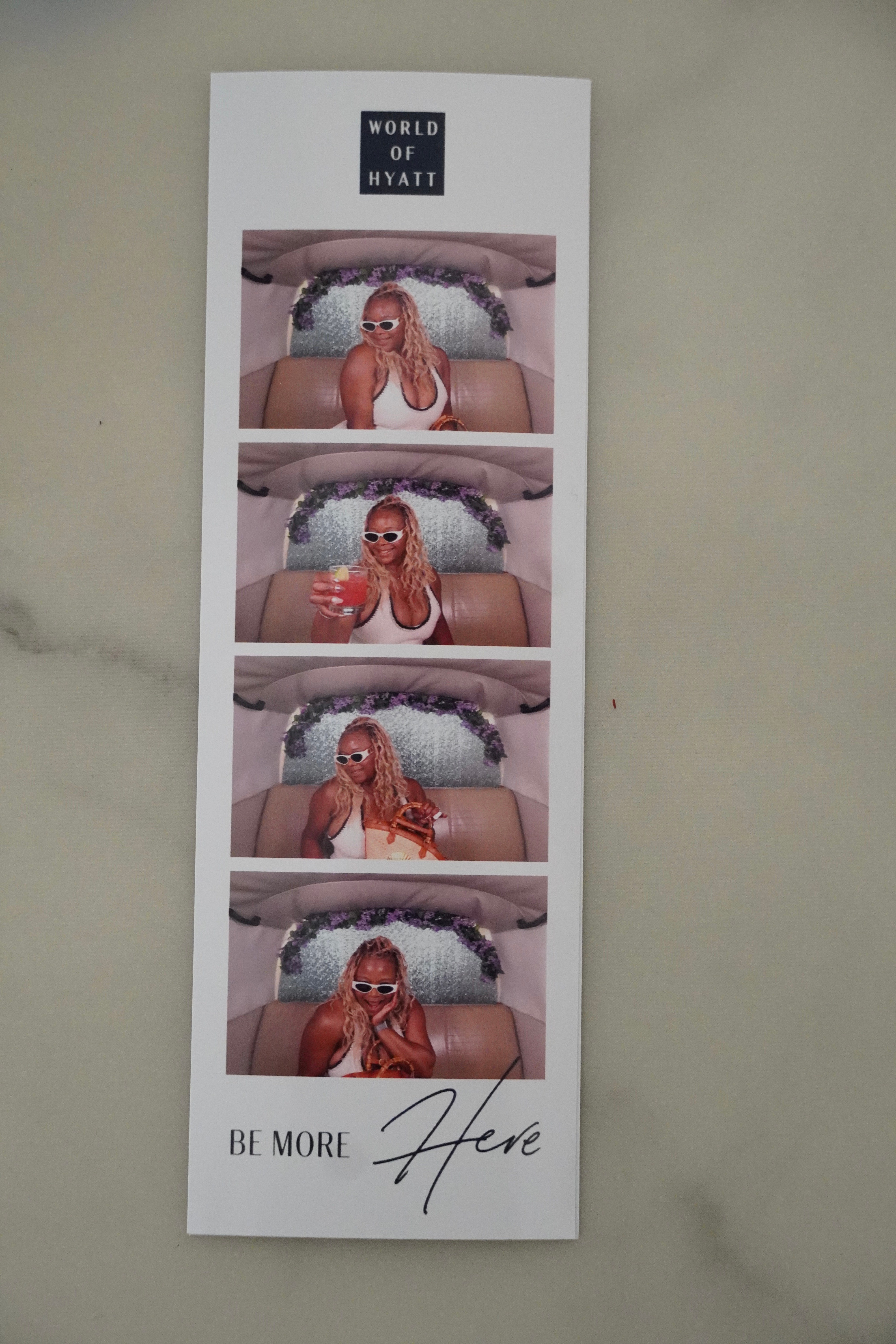
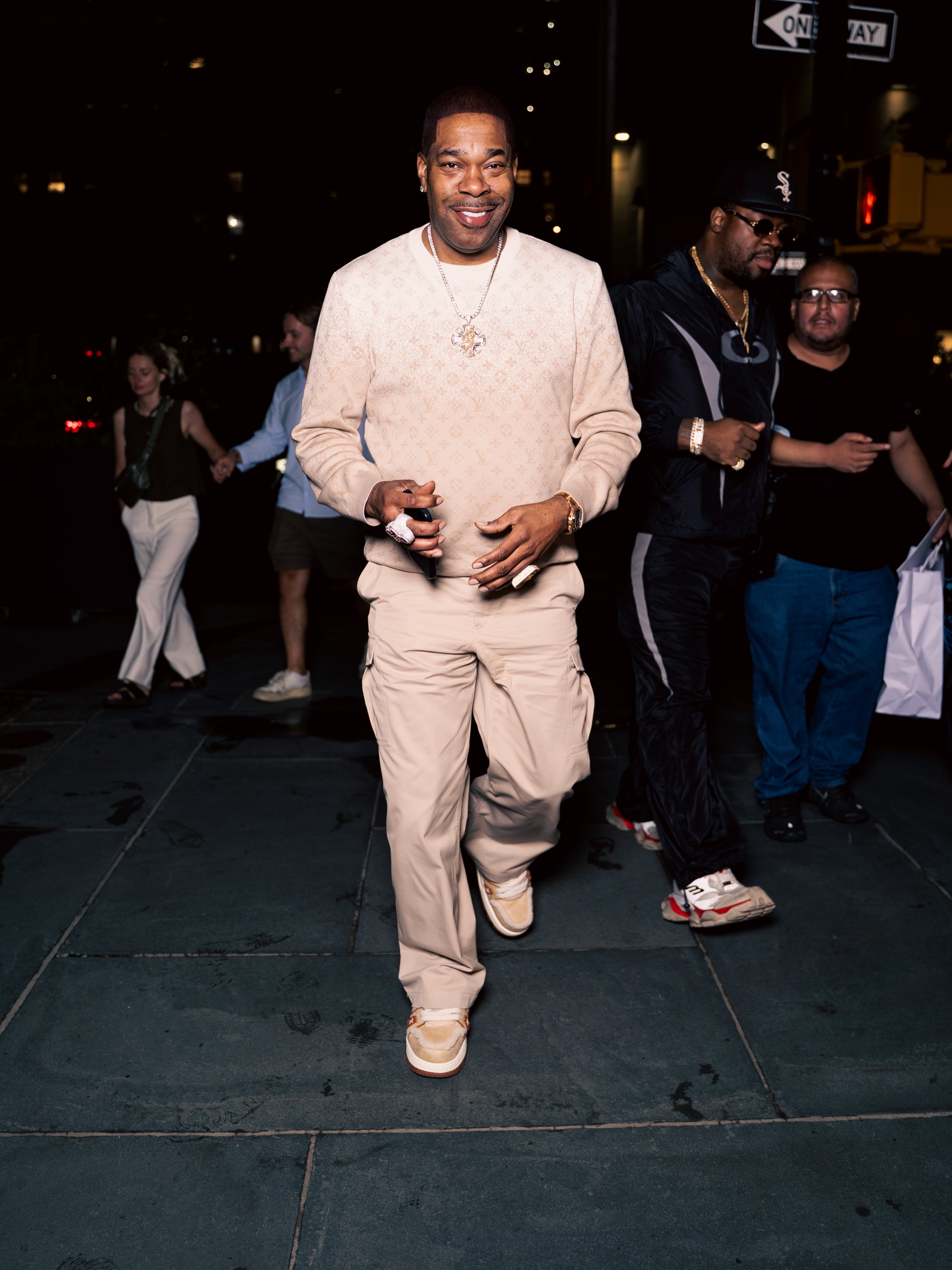
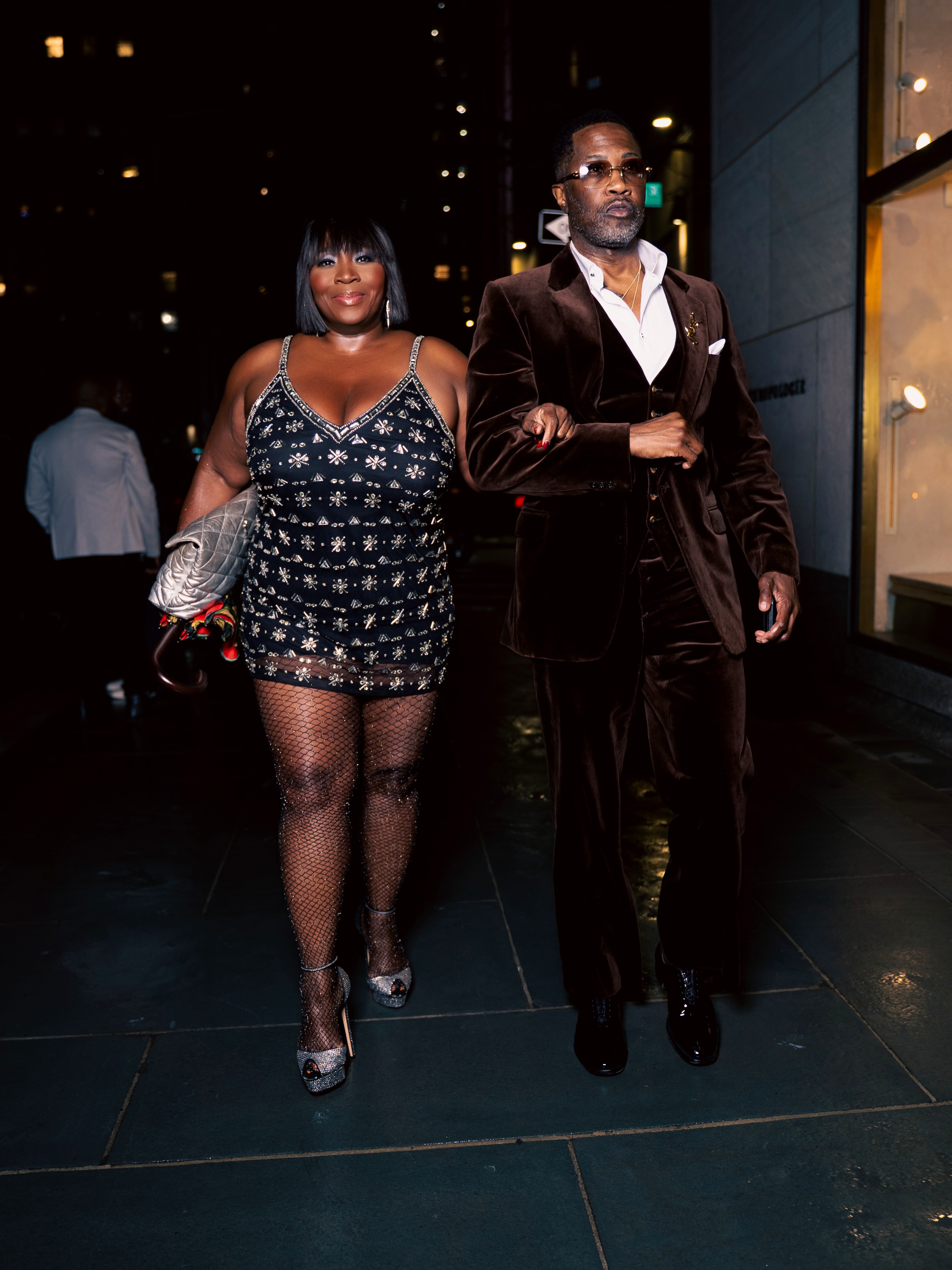
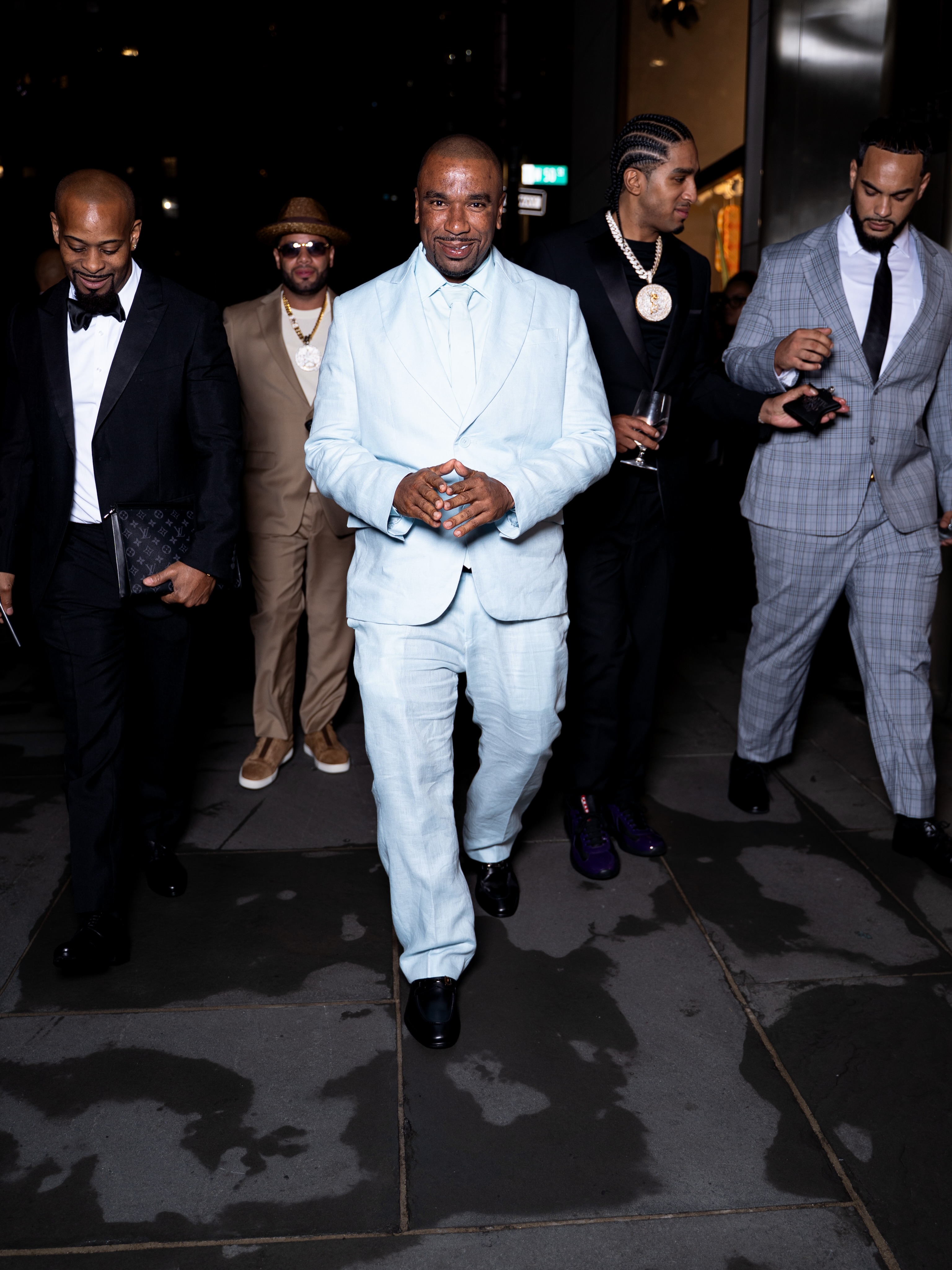
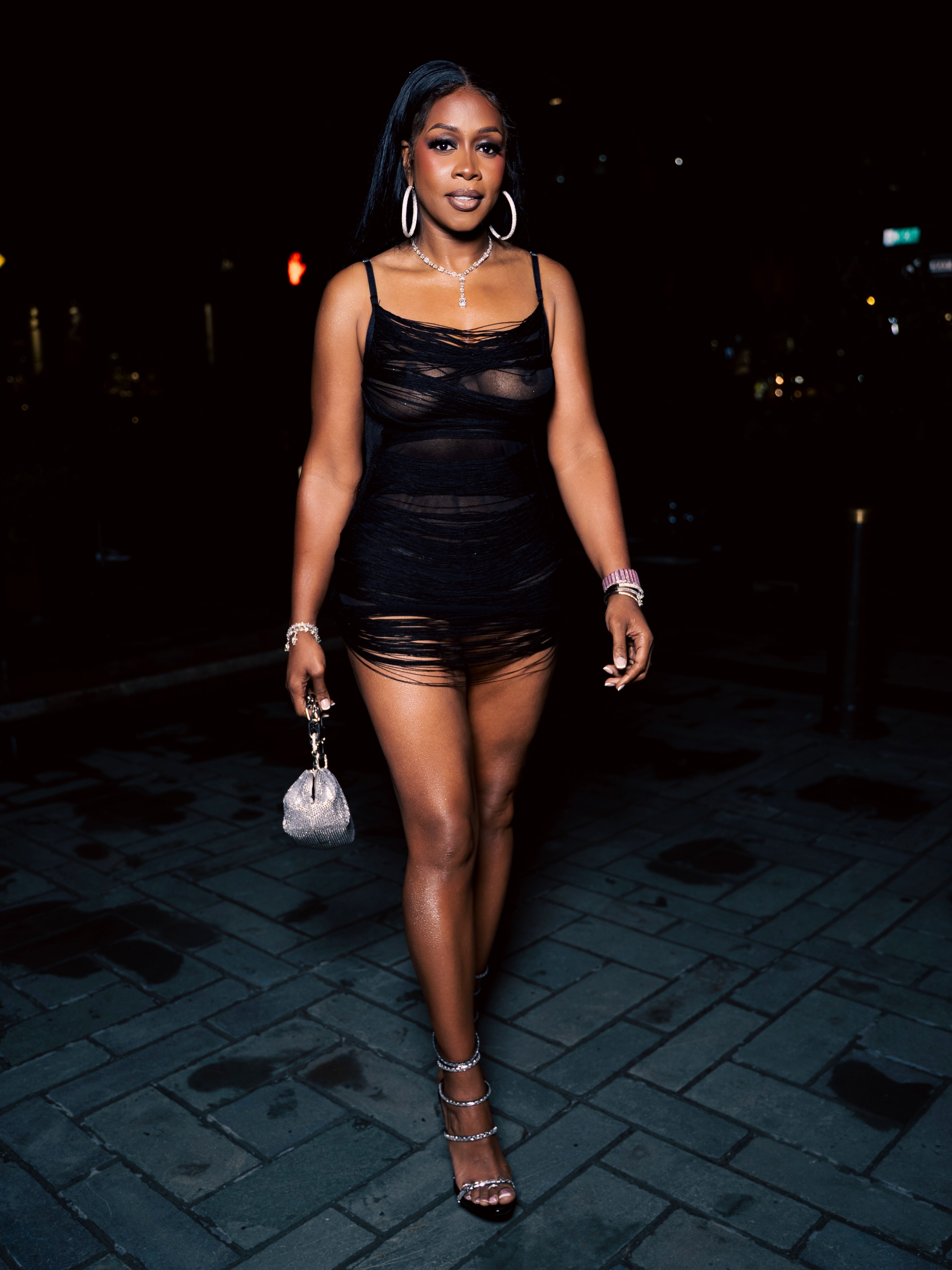
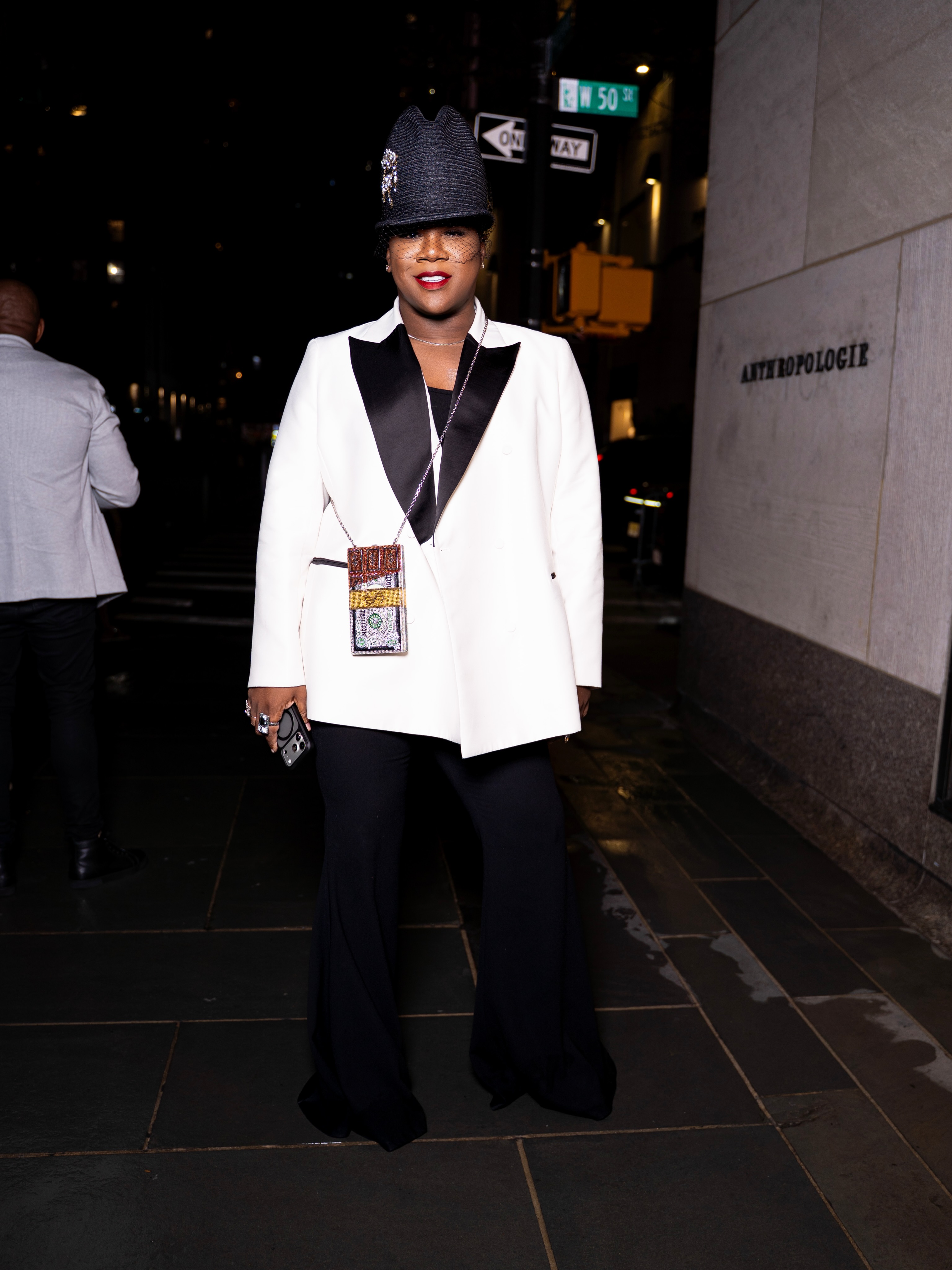
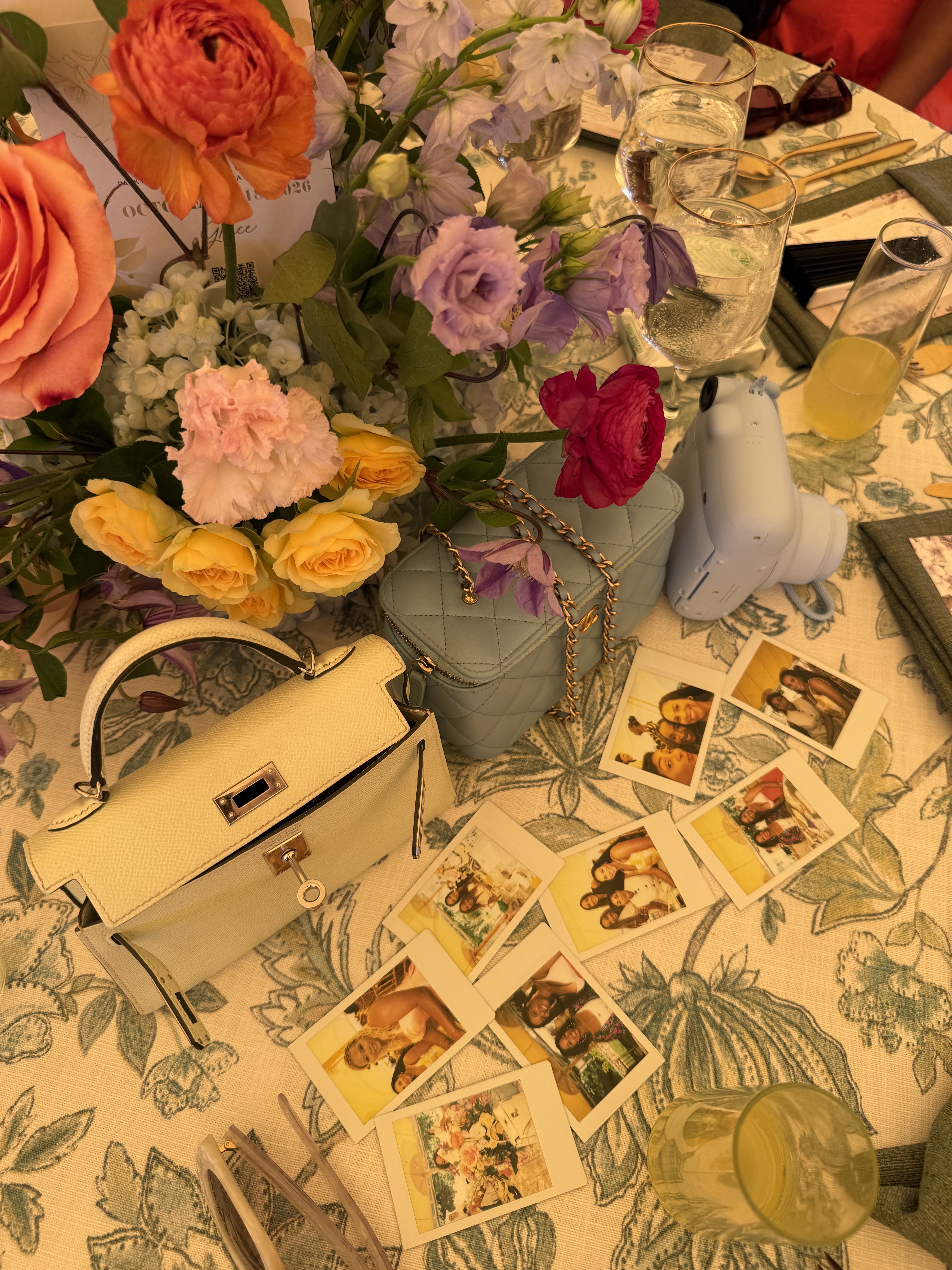
While on Martha’s Vineyard, I attended Hyatt’s event honoring 80 years of one of the island’s most storied traditions: the Polar Bears.
Formed in 1946 by a group of African American seasonal residents who wanted to exercise together in the water, the Polar Bears have provided 80 years of physical fitness and fellowship at Inkwell Beach in Oak Bluffs, the first desegregated beach on Martha’s Vineyard. The group began when the two Black O’Brien sisters bought a cottage and ran it as a bed and breakfast; nine Black guests who had come to the Vineyard to work became the first Polar Bears. Every summer since, from July 4 through Labor Day, members gather every morning at 7:30 to exercise, swim, and have fun in the water.
At the celebration, I connected with Malik Yoba, Hyatt’s Tyronne Stoudemire, and more, honoring the exercise, meditation, prayer, and play that define the tradition. Longtime group leader Caroline Hunter, pictured below, has been taking the plunge for nearly 30 years and remains one of its most beloved figures.
Caroline Hunter, Claire Sulmers, Malik YobaClaire with Hyatt’s Tyronne StoudemireClaire with Ryan Omelia
The gathering was a reminder of what this tradition represents: joy, resilience, and a legacy that continues to bring people together, 80 years strong.
You ask, we answer! @theeradiance asked, “Dress is fiyah!!! Yall know who made it?”
Claressa Shields answered the call in a full look from Akira while attending fight night at State Farm Arena in Atlanta. The boxer wore the brand’s $79.90 Just A Feeling Rhinestone Tee, a sheer black crop top covered in crystal mesh, paired with the $45.90 Hottie Alert Mesh Maxi Skirt, a draped design with cutout detailing at the waist.
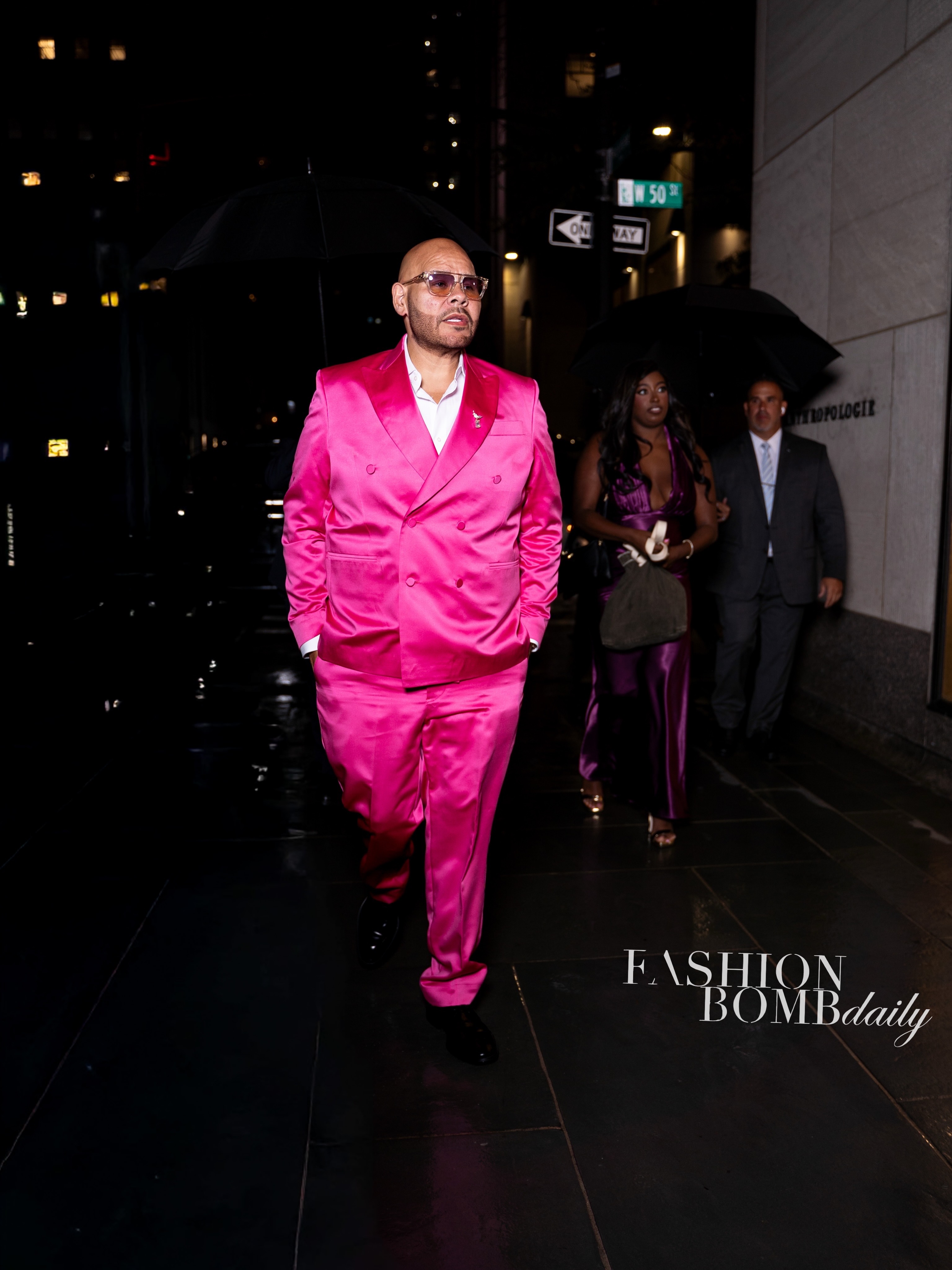
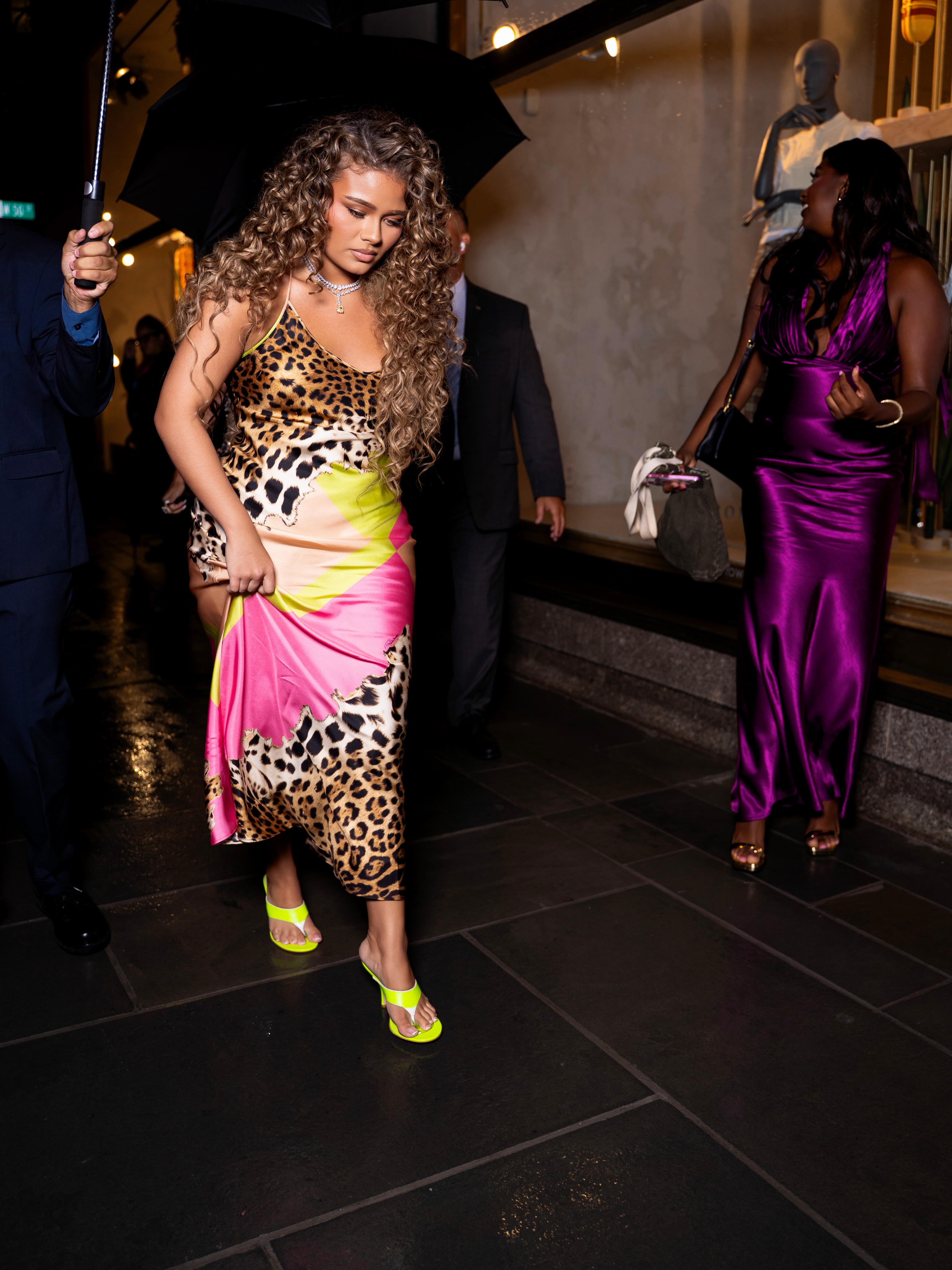
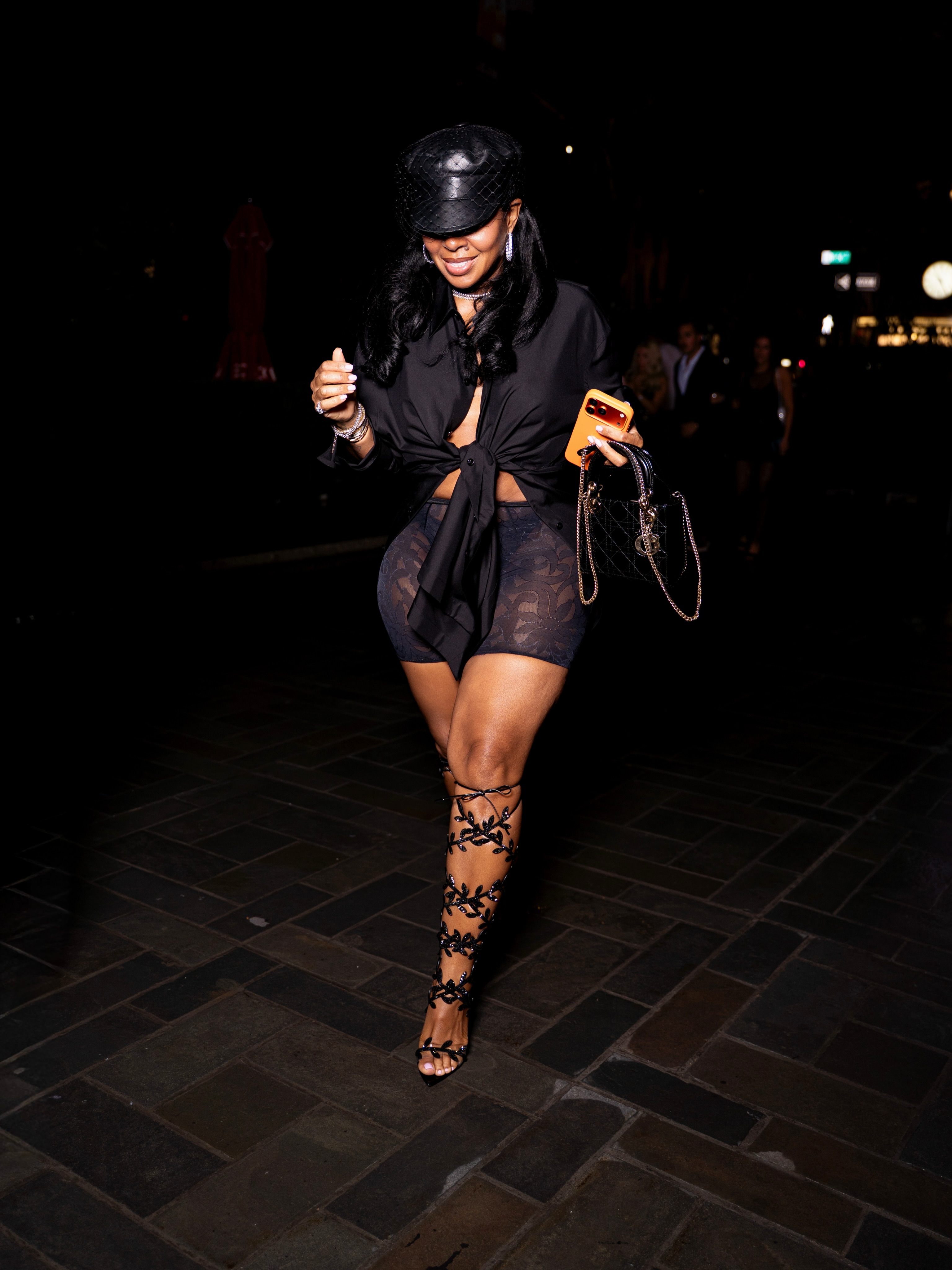
Fat Joe always does it big for his birthday, and this year was no exception! Mary J Blige, Fabolous, Jadakiss, Busta Rhymes, Remy Ma, and more were in the building.
You ask, We Answer! @icon.mo_ asked, “Deets on the coverup.” @thedivoss added, “Can you all please find this ensemble Rihanna is wearing?!? Not sure if it’s a dress, a swimsuit cover up or lounge wear! But it’s CUTE & SEXY!”
Rihanna was spotted in Barbados with her children RZA, Riot, and Rocki Irish wearing a grey off-the-shoulder piece from Comme des Garçons’ Spring/Summer 1984 collection. The draped, asymmetrical silhouette featured a raw-edged hem and cutout detailing at the waist, sourced from Archive Vintage and styled by Nini Style.
ScreenshotScreenshot
The singer and mogul kept the look casual and relaxed, pairing the vintage piece with layered gold jewelry as she spent time with her three kids on the island.
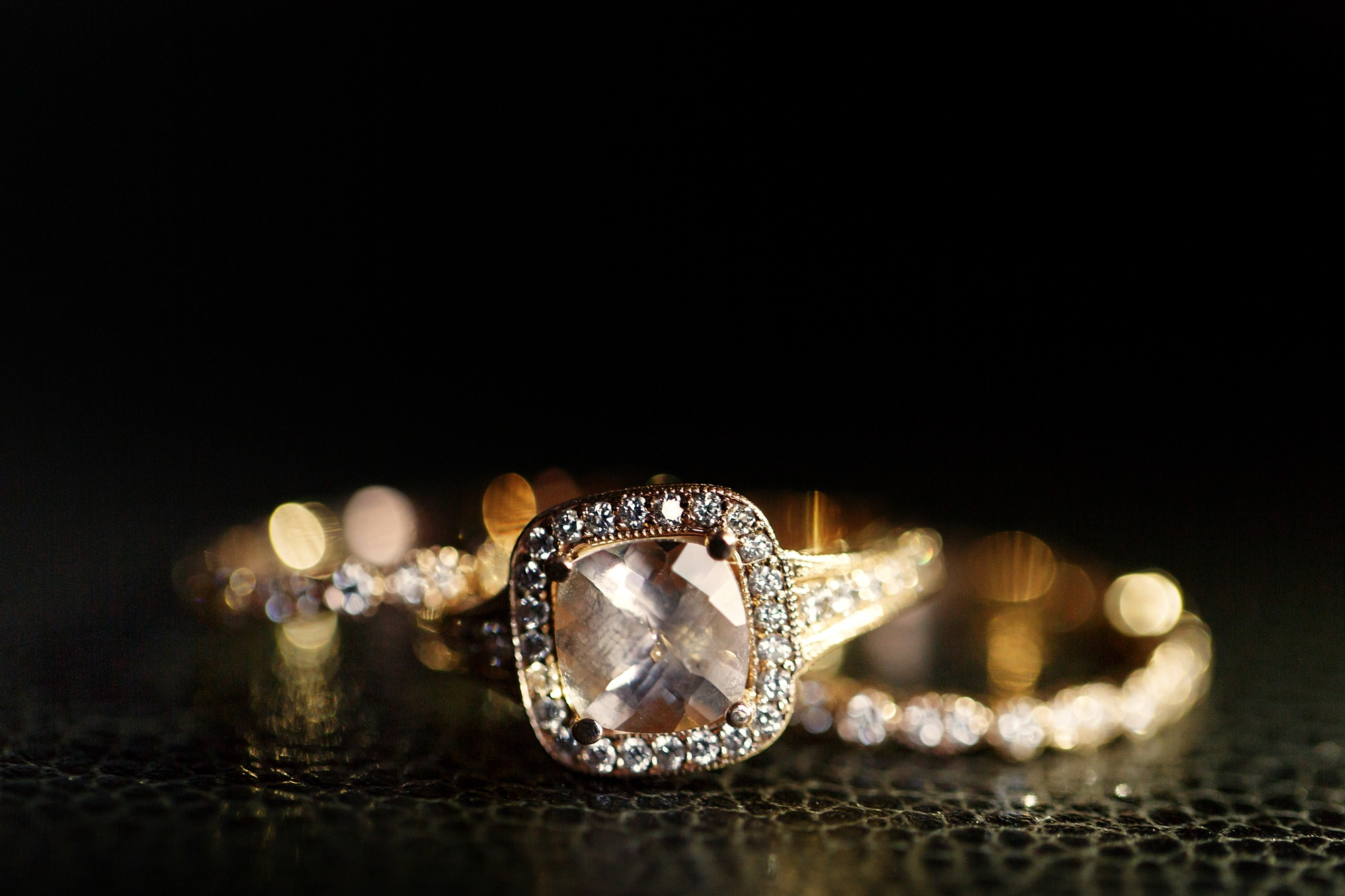
The earrings caught the light in every photo. The ring is still in your hand. The gown is in a plastic bag behind a door.
Two of those three will outlast the other by decades, and which two depends almost entirely on what happens in the next few weeks.
Jewelry is the part most couples get wrong, mainly because it looks indestructible. Gold does not stain and stones do not wrinkle, so the assumption is that nothing needs doing. Prongs loosen, pearl strings stretch and settings wear regardless.
Key takeaways
Store jewelry separately from the gown and separately from each other, since stones scratch stones.
Pearls and opals need humidity. Very dry storage such as a safe-deposit box is a poor long-term home.
Skip ultrasonic cleaners for pearls, other organic gems and treated or fragile stones.
Book an annual professional inspection. A loosening prong is cheap to fix and expensive to ignore.
Clean the gown before storing it, store it flat if embellished, and never leave it in plastic.
Caring for the jewelry you wore
Many durable untreated gems, diamonds included, clean up with mild soap, warm water and a soft brush. Rinse in a bowl rather than over an open drain, and ask a jeweler first about anything treated, antique or unfamiliar.
Pearls and opals are the exception to almost every rule. The Gemological Institute of America notes that both draw moisture from their surroundings, which is why very dry storage damages them over time. This kind of careful maintenance is especially important for valuable pieces, much like the attention people give to protecting other personal investments and digital purchases, from jewelry to services such as (Arabic: تنزيل برنامج مراهنات), wipe pearls after every wear, keep them in a soft pouch away from heat, and have the string checked periodically.
Avoid ultrasonic cleaners entirely for pearls, other organic gems and fragile or treated stones including emeralds and opals. The vibration that lifts grime from a diamond can fracture an inclusion-heavy emerald.
Store rings separately in soft pouches or a divided box. A loose ring sharing a compartment with another will scratch it, and diamonds scratch almost everything including other diamonds.
The annual check most people skip
Book the bridal set in for professional inspection once a year.
A jeweler will spot a loosening prong, a worn shank or a stretched pearl string long before any of them becomes the reason a stone goes missing. Prong failure is the single most common cause of lost centre stones, and it is entirely visible under a loupe months before it happens.
This is also the moment to sort paperwork. If the rings are not on a valuation and listed with your insurer, do that while the receipts and certificates are still findable.
Choosing a piece to wear while the set rests
Plenty of newlyweds keep one everyday piece in rotation so the bridal set spends most of its life protected. That choice matters more than it sounds, because an everyday piece takes the wear the good jewelry would otherwise absorb.
Solid gold is the practical answer. Plated pieces wear through at the points that touch skin most, and once the base metal shows there is nothing to restore.
ENEA Studio is worth knowing here as an example of what to look for. It is a family workshop in Athens where three generations of goldsmiths have worked since 1953, making solid gold in recycled 14k and 10k and backing its pieces with a lifetime warranty against manufacturing defects. It holds a 4.9 rating across more than 10,000 reviews and has been featured in Vogue, Harper’s Bazaar and Brides.
The recycled gold point is worth understanding rather than skimming. Recycled gold is chemically identical to newly mined gold once refined, so it is not a compromise on quality, it simply avoids the extraction.
Whichever brand you choose, read the warranty terms properly. Coverage for defects in materials and craftsmanship is not the same as coverage for everyday wear, damage or loss, and the difference tends to surface at the worst possible moment.
The gown: first 48 hours
Move it to a shaded room away from heat, sunlight and radiators so it can air out. A padded hanger suits a lightweight dress, but anything heavy or heavily embellished should lie flat on a clean surface.
Resist treating stains yourself. Household solvents can set a mark permanently, damage the fabric or lift the dye, and an amateur attempt often makes professional removal harder.
Photograph what you can see. Soil along the hem, wine on the bodice, makeup at the neckline. Those images help a cleaner map the damage before treatment begins.
Store the veil, shoes and jewelry separately from the dress, since crystals, metal settings and dense beading snag netting and lace with very little provocation.
Gown storage, museum style
Clean before you store. Invisible traces of sugar, sweat and champagne oxidize into brown marks over months, which is why a gown that looked spotless can yellow in storage.
Ask the cleaner what they can realistically treat. Complete removal is not always possible, and an honest answer up front is more useful than an optimistic one.
National Park Service conservation guidance recommends storing heavy or embellished garments flat in museum-quality boxes or drawers, because hanging concentrates the full weight on the shoulders and seams. Inside the box, separate layers with acid-free tissue and pad every fold with soft tissue rolls so creases never become sharp.
The Victoria and Albert Museum recommends pH-neutral boxes and acid-free white tissue, stored away from attics. Smithsonian guidance adds that textiles need some air movement, so nothing airtight.
Framing is a display choice rather than a preservation one. Even with UV-filtering glazing it suits short-term display, so treat it as something you do to a gown you have already preserved properly.
Climate-smart storage for both
Stable conditions matter more than any product you buy. Run this check twice a year.
Aim for a steady 20 to 24°C, or 68 to 75°F, with relative humidity between 40 and 57 percent
Watch for sustained humidity above roughly 65 percent, which raises the risk of mold
Keep boxes off the floor and away from exterior walls, vents and water lines
Check for pests, then adjust the tissue and refold along slightly different lines
Choose a closet in the living area rather than an attic, basement or garage
That refolding step matters. Shifting the fold lines moves the stress points so no single crease sets permanently, and preservation specialists generally suggest revisiting the box every 12 to 18 months.
Jewelry needs the inverse of dry storage. A closet is fine, a safe is fine, but a desiccant-packed safe or a very dry vault will slowly damage pearls and opals.
Beading, sequins and heirloom trims
Dense crystal work, heavy sequins, an ao dai, gele trimmings and aso ebi lace all place uneven weight across the fabric. A hanger turns that weight into a slow pull on the seams.
Store these pieces flat without exception. Add tissue beneath embellished panels and pad each fold so beads and sequins never press into the fabric layer underneath.
Heirloom trims deserve their own tissue and their own space in the box. Metallic thread in particular can tarnish and transfer onto lighter fabric pressed against it.
Don’t forget the second look
More brides now wear two outfits, and the reception piece tends to get forgotten. A jumpsuit danced in for four hours has absorbed just as much sweat and spilled champagne as the ceremony gown.
Tailored separates bring their own storage rules. Structured shoulders hold their shape better on a wide padded hanger than folded flat, which is the reverse of the advice for a beaded gown.
The principle running through all of this is the same one behind any good maintenance routine for the things you own. Clean before storing, store off the floor with air circulation, keep items apart so they cannot press or scratch, and rotate what you wear so nothing takes all the wear.
Have it cleaned on the same trip as the dress. Two garments in one visit usually costs less than two separate ones.
A keepsake, not a time capsule
Get the jewelry inspected annually, insured properly and stored apart. Clean the gown, support its weight and keep it somewhere cool and stable indoors.
The routine is identical whether you handle it yourself or hand it to a specialist. Consistency beats one heroic preservation effort followed by a decade of neglect.
Frequently asked questions
How should I store my wedding jewelry?
Separately from the gown and separately from each other, in soft pouches or a divided box so stones cannot scratch. Keep pearls and opals away from very dry conditions and away from heat, and avoid ultrasonic cleaners for organic or treated stones.
How often should wedding rings be checked?
Once a year by a jeweler. Prong wear is the most common cause of lost stones and is visible long before failure, so an annual inspection is the cheapest insurance available.
Why are pearls and opals treated differently?
Both draw moisture from the air, so extremely dry storage causes damage over time. That makes a desiccated safe or long-term vault storage a poor choice, and a soft pouch in normal room conditions a better one.
What does a lifetime warranty on jewelry actually cover?
Usually defects in materials and craftsmanship, not everyday wear, damage or loss. Read the terms before buying, because the two are frequently confused and the distinction only becomes clear at the point of claim.
How long after the wedding should the gown be cleaned?
Within a few weeks if you can. Sugar, sweat and champagne are invisible when fresh but oxidize into brown marks over time, and the longer a stain sits the lower the chance of full removal.
The Vineyard Icon Awards returned to Martha’s Vineyard for its second year, drawing a crowd of guests dressed in the island’s signature blend of polish and ease. The event was founded by Erin Goldson, a fifth-generation Martha’s Vineyarder whose late father is buried on the island, and whose grandmother still lives there year-round. Vineyard Icon was created to celebrate individuals whose impact reaches beyond the island’s shores, recognizing leaders, creators, and changemakers who embody the spirit of excellence the Vineyard has long been known for.
Among this year’s honorees was music executive Sylvia Rhone, who commanded the room in a Jean Paul Gaultier printed mesh gown, paired with gold hoop earrings and stacked bangles.
Guests followed suit in a palette built around the island’s summer spirit: breezy florals, tropical prints, crisp stripes, and jewel tones, paired with woven totes, mini top-handle bags, and statement earrings throughout.
The event, held at Farm Neck Golf Course, once again proved that Vineyard style is less about formality and more about ease, color, and confidence.
Fashion Bomb Daily was on the scene at the annual Martha’s Vineyard African American Film Festival x ESPN White Party. Guests turned out in their finest all-white ensembles for the summer soiree, delivering a range of looks from easy separates to statement dresses.
Scroll on for some of the standout style moments from the night, and let us know which look is your favorite.
What do you think?
To have Fashion Bomb Daily cover your next event, email book@clairesulmers.com.
You ask, we answer! @DrKarenDDS writes, “You guys always know all the things! I am in love with Madam First Lady’s outfit!! Where is it from?”
Michelle Obama sat down with Megan Thee Stallion for an episode of her podcast wearing a cropped silk faille utility jacket and matching skirt from the Sergio Hudson Collection Spring 2026 line, styled by Meredith Koop. The white set featured a structured silhouette with a statement holographic belt at the waist, paired with strappy heels and gold hoop earrings.
Megan Thee Stallion opted for an off-the-shoulder cream sweater dress by Sara Wong for her appearance on the podcast. The oversized knit featured a lace-paneled design and was worn with a studded belt and white heeled sandals.
Hot or not? Let us know what you think of both looks in the comments.
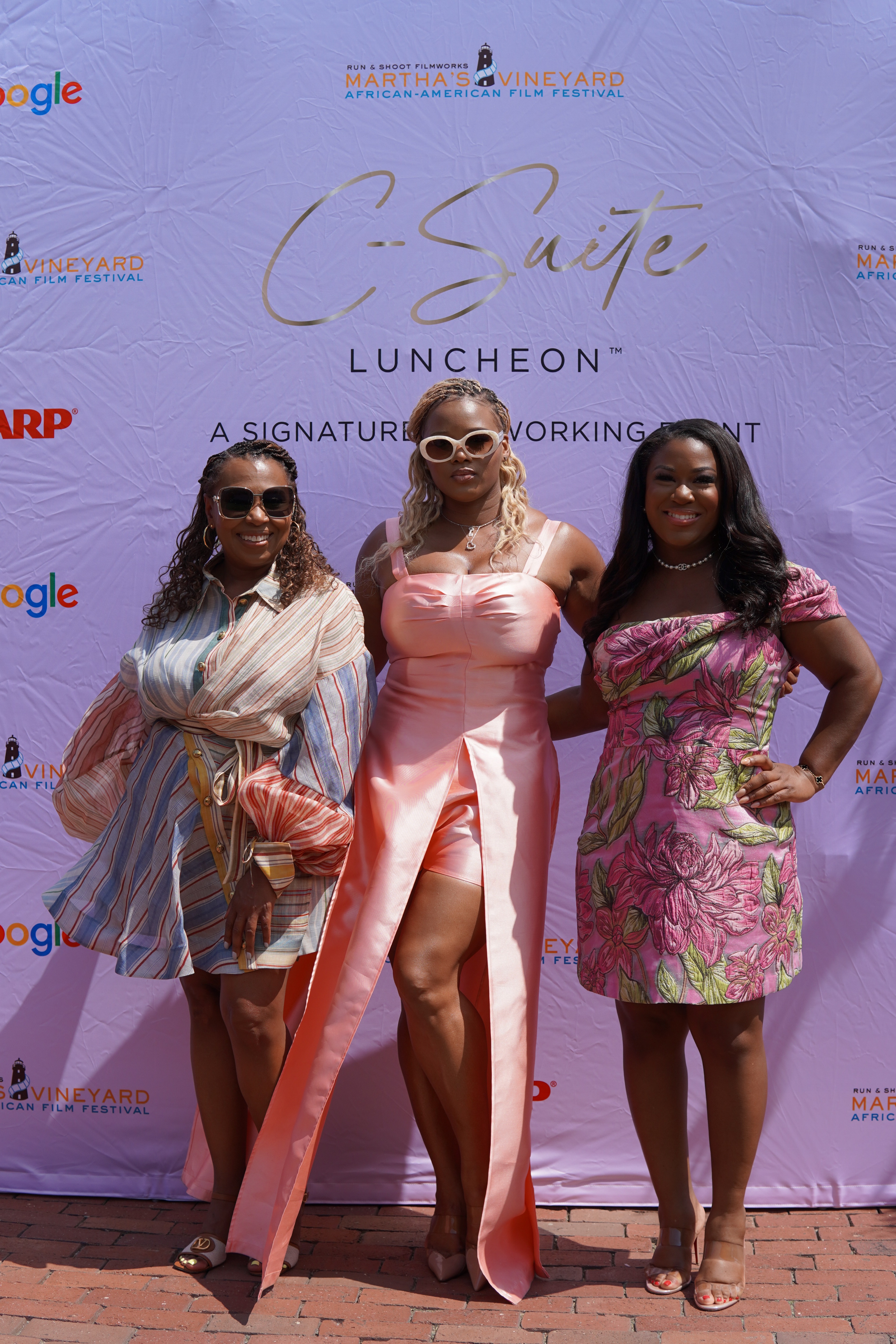
Martha’s Vineyard African American Film Festival is officially underway, and I kicked things off in the best way possible: at the C-Suite Luncheon, celebrating legacy and joy in a room full of extraordinary women.
The guest list read like a who’s who of women doing the work, including LeToya Luckett, LaToya S. Evans, Megan Bailey, Joy-Ann Reid, and more. Guests were treated to the wisdom of the incomparable Phylicia Rashad, who spoke on the importance of staying enthusiastic about art and work, a reminder that landed with everyone in the room.
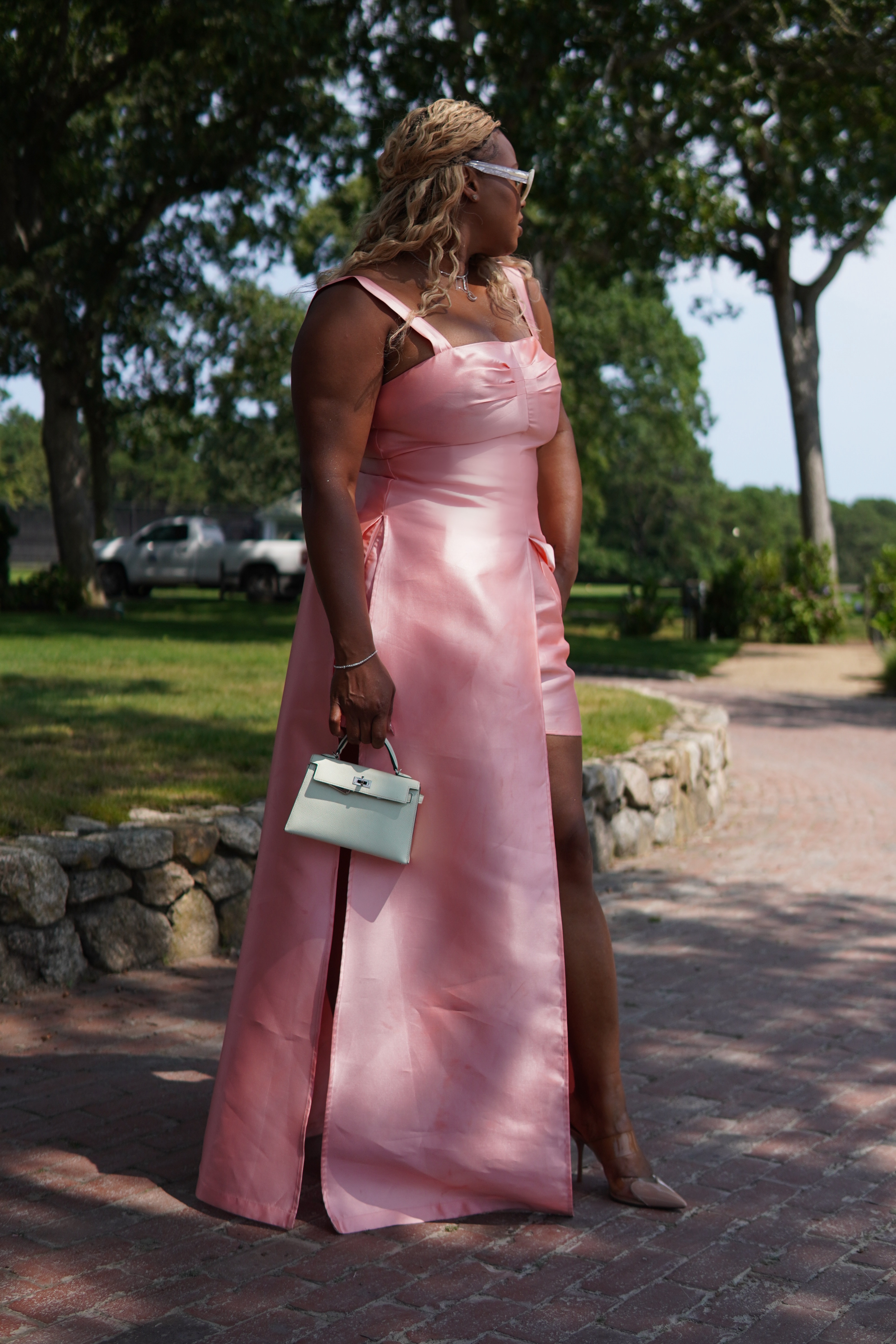
For the occasion, I wore a look combining an Andrea Iyamah short set, Maison Alaïa heels, and 12PM Studios sunglasses.
Stay tuned for more from Martha’s Vineyard Style and continued coverage throughout Martha’s Vineyard.
A special thank you to Femelle Collective and LaToya S. Evans for making sure I had a seat at the table.
Want me to cover your next event? Email book@clairesulmers.com.
Reducing nicotine quickly usually works best when the approach is structured rather than extreme. For adults looking at alternatives while they cut back, alt vapes are presented by alt. as a New Zealand option for adults transitioning away from cigarettes, with a focus on recyclable products and smoking cessation support. That does not remove the need for a plan, but it does show why many people combine product choices with daily habits that make nicotine feel less central to the day.
1. Track exactly how much nicotine you use
The fastest way to cut back is to stop guessing. Write down when you reach for nicotine, how often it happens, and what situation triggered it. Many people discover that stress, boredom, coffee, commutes, or social time create a pattern that feels automatic. Once you can see the pattern clearly, you can make targeted changes instead of relying on vague willpower. That level of awareness alone often reduces intake by interrupting the habit loop.
2. Lower one routine before lowering everything
Trying to change every nicotine habit at once can backfire. A better move is to pick the most predictable routine first. That might be the first use of the morning, the one after lunch, or the one during an evening wind down. When you reduce one dependable moment before tackling the rest, the process feels more manageable and your confidence builds faster. Small wins matter when the goal is speed with consistency.
3. Delay the urge by a set amount of time
A simple delay rule can make a real difference. When the urge hits, wait ten or fifteen minutes before acting on it. Use that gap to drink water, move around, brush your teeth, or focus on a different task. The point is not to suffer through the craving. The point is to prove that it rises and falls without always controlling what you do next. Over time, those short delays can reduce both frequency and dependence.
4. Choose lower intensity moments for reduction
Some cravings feel stronger than others, and the quickest way to make progress is to start with the easier ones. If you know that your midmorning use is less intense than your late night use, reduce there first. Early success keeps the plan realistic. It also helps you learn which coping tools work best before you face the harder moments. Reducing nicotine fast is not only about toughness. It is also about sequencing the challenge well.
5. Keep your hands and mouth busy
Nicotine habits are rarely only about nicotine. They are often tied to movement, comfort, and repetition. Keep easy substitutes nearby such as gum, mints, sliced fruit, a water bottle, or something simple to hold in your hand. These small replacements may seem minor, but they help fill the space the routine leaves behind. When the ritual is weaker, the chemical pull often feels easier to manage as well.
6. Use structured support instead of guesswork
Reliable support can speed up progress. The CDC quit smoking guide points people toward quit plans, quitlines, and tools for handling urges, while the NHS quit smoking guide highlights support, craving management, and practical steps for staying on track. When your goal is to reduce nicotine quickly, outside structure can stop you from drifting back into the same pattern every time stress rises.
7. Set a visible daily ceiling
A clear limit makes your plan real. Decide on a maximum amount for the day and keep it somewhere you can see, such as in your notes app or on a piece of paper. Without a visible ceiling, it is easy to tell yourself you are cutting back while your actual pattern stays the same. A firm limit creates accountability and gives the day a shape. It also makes progress measurable, which is one of the most motivating parts of any reduction plan.
8. Expect discomfort and plan for it
Cutting nicotine fast can feel uncomfortable, especially in the first stretch. That does not mean the plan is failing. It usually means the body and the routine are adjusting. The NHS notes that support and clear steps make quitting easier, and the CDC emphasizes preparation and tools for urges. If you expect a few difficult moments and decide ahead of time how you will handle them, you are much less likely to turn one rough hour into a full setback.
Reducing nicotine fast is rarely about one dramatic decision. It usually comes from a series of smaller choices that make the habit less automatic and less frequent. When you track your use, reduce the easier moments first, create visible limits, and lean on trusted support, the process becomes more practical and much more sustainable.