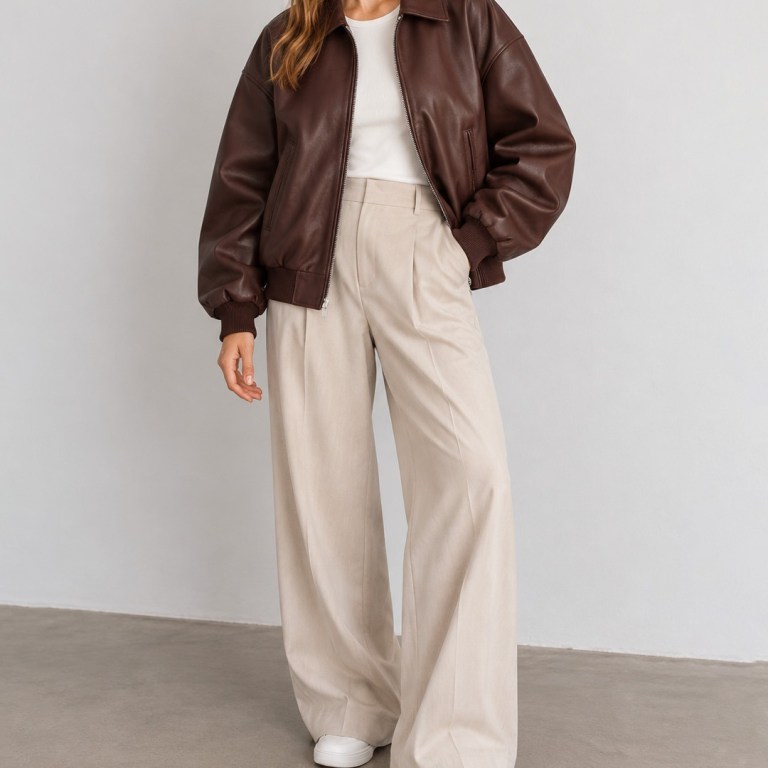

Ask someone what they’d grab from their closet in a fire and watch them stall. Not because there’s too much to choose from. Because half of it was never really theirs to begin with, it was bought for some version of them that lasted about three weeks.
That’s the part trends are sneaky about. They don’t really sell you clothes. They sell you a borrowed identity that expires the second a new one shows up online. A lot of people have quietly stopped playing along with that, even if nobody’s calling it anything.
The Evolution of Personal Style
Used to be, fashion moved with the seasons. Now it moves whenever something gets loud for ten days and then disappears.
Trying to keep up with that wears you out. Not in some dramatic way. More like you buy the thing, wear it once or twice, and it just sits there in the closet reminding you it never quite felt like yours.
Underneath all of it, this isn’t really about fashion. It’s about trust, oddly enough. The people who look comfortable in what they wear usually aren’t chasing anything. They just stopped handing the decision over to whoever’s loudest that week.
Building a Signature Aesthetic
Where does that actually come from, though? Depends on the person, honestly, no single answer fits everyone.
Some land on a color they keep returning to without trying. Others land on one shape or fabric that keeps showing up in whatever they wear when they actually feel good.
Picture someone, hypothetically, who notices every outfit they love includes some kind of statement jewelry.
Not because it’s trending. Because it looks decent in bad lighting, works at a desk all day and then at dinner after, and just feels like them somehow. That’s not a trend chasing itself. That’s a signature, and signatures don’t really go out of style.
Gift shopping makes this obvious in a weird way, when you’re buying for someone else’s taste instead of your own. Look through a mother’s day jewelry collection through that lens and the pattern jumps out fast.
The pieces that get worn for years aren’t the loudest ones on the page. They’re the ones that match how she already dresses on a regular Tuesday, not how a catalog imagines she should dress.
Shopping for someone’s actual taste instead of whatever’s trending teaches you more about personal style than any trend piece ever could.
The Rise of Intentional Fashion Choices
There’s a quieter thing happening too, harder to notice because it’s not flashy at all. People buying less. Sitting on a decision for a few days instead of checking out in under a minute.
It’s a slower way to shop, and honestly, slower isn’t always enjoyable. Grabbing something cheap and trendy takes way less thought. But the payoff shows up later, when that one piece is still getting worn three winters from now instead of donated after a single season.
Rings are a fairly good test for this. Browse mother’s day rings, and you’ll see the ones worth picking aren’t necessarily the boldest.
A ring lives on a hand through dishes, grocery bags, every dull stretch of an ordinary day, so it needs to hold up in real life, not just under good lighting for a photo.
Would she still want it, wearing it a year from now, two years, five? That question is the only one that matters, and most trend pieces quietly fail it.
Trend-chasing keeps asking what’s popular right now. Intentional dressing asks what you’ll actually keep reaching for. Sometimes the answers overlap. Mostly, they don’t.
Confidence and Self-Expression
None of this matters much if it doesn’t change how someone actually feels heading out the door. It does, more often than people expect it to.
People who’ve made this shift tend to describe mornings as lighter somehow. Less standing in front of the mirror second-guessing. Makes sense, really, since when your clothes already match who you are, there’s nothing left to negotiate every single morning.
There’s a name for this in psychology, enclothed cognition, basically the idea that clothing shapes how your brain shows up for the day.
You don’t need a study for that one though. Everybody already knows the itchy, off feeling of wearing something just because it was popular and not because it actually fit who they are.
Worth saying plainly, this takes longer than trend-chasing does. There’s trial and error involved, a few expensive mistakes along the way that end up teaching you something anyway.
That’s just how it goes. Nobody gets their style figured out overnight, no matter what anyone online claims.
The Bottom Line
Lasting style isn’t built by keeping up. It comes from paying attention, slowly, to what actually feels like yours, even when nobody else is looking.
Trends will keep moving fast and loud, same as they always have. But the people who seem most at ease in their own clothes are usually the ones who stopped asking what’s popular and started asking what’s true for them.
That’s really the whole point. Not staying current. Staying yourself.